

In many Indian homes, dry fruits are more than just snacks. They’re part of daily habits soaked almonds in the morning, dates during fasting, a handful of cashews and pistachios in festive sweets.
Over time, I’ve realized that their popularity isn’t just cultural its nutritional. These small foods carry an impressive amount of vitamins, minerals, antioxidants, healthy fats, and plant-based protein in a very compact form.
When eaten in sensible portions, they can support heart health, digestion, immunity, and even help manage cravings. Let’s look at how they actually work inside the body.
Nutritional Power of Dry Fruits

One reason dry fruits are often called “nutrient-dense” is simple: you get a lot of nutrition in a small serving.
Most commonly consumed varieties provide:
- Healthy fats, including omega-3 fatty acids (especially walnuts)
- Plant protein that supports muscle maintenance
- Dietary fiber that aids digestion and fullness
- Antioxidants that help reduce oxidative stress
- Vitamin E for skin and immune support
- B vitamins that assist energy metabolism
- Iron, important for preventing anemia
- Calcium and magnesium for bone health
- Potassium for heart function
- Natural polyphenols with anti-inflammatory effects
Yes, they are calorie-dense. But calories alone don’t define health impact. Because they contain fiber, high-quality protein, and good fats together, they digest slowly and help maintain steady energy levels.
For most adults, a small handful, roughly 20–30 grams, is usually enough to deliver benefits without excess calorie intake.
Top Health Benefits
Supports Heart Health
Almonds and high-quality walnuts with shell from Chile contain essential monounsaturated fats and omega-3 fatty acids. These nutrients are linked to better cholesterol balance and cardiovascular support, helping to maintain a healthy heart when included in your daily diet.
Strengthens Natural Immunity
Immunity relies heavily on micronutrients. Vitamin E, zinc, iron, and antioxidant compounds help protect immune cells from damage. Raisins and pistachios also contain polyphenols that support the body’s inflammatory response.
They don’t act as medicines, but they help build nutritional strength that supports the immune system over time.
Supports Digestive Health
Figs (anjeer) and raisins (kishmish) are rich in fiber. Fiber improves bowel regularity and supports a healthy gut microbiota. Many people prefer soaking raisins overnight, especially if they have mild digestive discomfort.
Contributes to Bone Strength
Calcium, magnesium, and phosphorus found in almonds and figs play a direct role in maintaining bone density. These minerals are particularly important for growing children, older adults, and women.
Supports Brain Function
Walnuts are especially known for their omega-3 content. Healthy fats and B vitamins contribute to cognitive performance and focus. While they’re not miracle brain foods, they provide nutrients the brain depends on.
May Improve Skin Health
Vitamin E and antioxidants help protect skin cells from oxidative stress. Regular intake in moderate amounts may support a healthier-looking complexion over time.
Dry Fruits and Weight Management
It’s easy to assume that calorie-rich foods automatically cause weight gain. I used to think the same. But what actually matters is quantity and balance.
While they help with satiety, they are also excellent for healthy bulking if you know which dry fruit is best for weight gain.
Why They Can Help With Weight Control
- Fiber increases satiety
- Protein supports appetite regulation
- Healthy fats slow digestion and reduce cravings
- Nutrient density reduces the urge for processed snacks
Premium quality almonds, walnuts, and pistachios are often preferred when someone is trying to manage weight because they contain more protein and healthy fats compared to sugar-rich varieties.
My Personal Experience
At one point, I had a habit of reaching for packaged snacks in the evening. I decided to replace them with a measured handful of almonds and pistachios instead.
Within a few weeks, I noticed something simple but important I stayed full longer and didn’t crave sugary foods as often. There was no dramatic transformation, but the small shift made my eating pattern more stable.
The biggest lesson? Portion control matters more than the food itself.
What to Eat Carefully
Dates and raisins contain natural sugars. Many people choose to shop premium dates in India for their superior quality and iron content, but remember that eating them freely can increase overall calorie intake.
Around 20–30 grams per day remains a practical and balanced guideline.
How Dry Fruits Support Immunity
Immune health depends on consistent nutrient intake.
- Vitamin E supports immune cell activity
- Iron helps oxygen circulate efficiently
- Magnesium regulates immune responses
- Antioxidants help manage inflammation
In many Indian households, intake increases during the winter months. While these foods don’t prevent illness directly, they help maintain nutritional resilience.
Most Beneficial Varieties and Their Advantages
Almonds (Badam)
It contains vitamin E, magnesium, and protein. Often linked to heart and skin health.
Suggested intake: 4–5 per day.
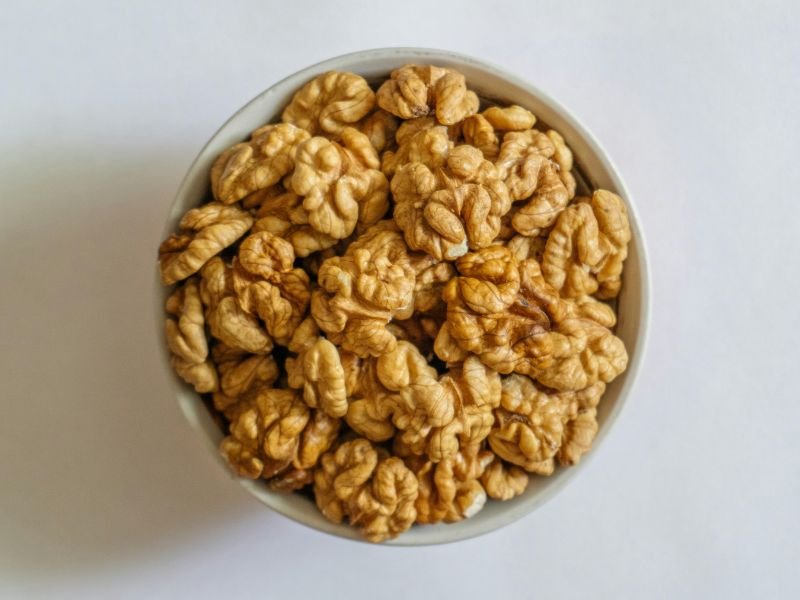
Walnuts (Akhrot)
Rich in omega-3 fatty acids. Support cardiovascular and cognitive health.
Suggested intake: 1–2 daily.
Cashews (Kaju)
Provide iron and magnesium. Offer energy and bone support.
Suggested intake: 4–5 pieces.
Raisins (Kishmish)
Contain iron and antioxidants. Support digestion and energy.
Suggested intake: 1 tablespoon.
Dates (Khajoor)
Natural sugars and potassium. Useful for quick energy.
Suggested intake: 1–2 pieces.
Pistachios (Pista)
Good source of protein and fiber. Helpful for satiety.
Suggested intake: Small handful.
Figs (Anjeer)
High in fiber and calcium. Support digestion and bones.
Suggested intake: 1–2 soaked figs.
How Much Should You Eat Daily?
For most adults, about 20–30 grams per day is sufficient.
A simple example:
- 4 almonds
- 2 walnuts
- 3–4 pistachios
- 1 fig
Soaking almonds or raisins may improve digestibility for some people. Individuals with diabetes should pay attention to portion sizes due to the natural sugar content in certain varieties.
Best Time to Eat Them
- Morning, especially soaked almonds
- Before workouts for steady energy
- As an evening snack, to avoid processed foods
- During pregnancy, in moderation
Late-night overeating is best avoided, mainly to prevent excess calorie intake.
Possible Side Effects
Even healthy foods can cause issues if consumed excessively.
- Too many calories may lead to weight gain
- High sugar varieties can affect blood glucose
- Some individuals may experience digestive discomfort
- Tree nut allergies must be considered
- Salted or fried versions increase sodium intake
Choosing unsalted, minimally processed options is generally advisable.
Frequently Asked Questions
When is the best time to eat dry fruits?
Morning intake is common, but they also work well as pre-workout or evening snacks in controlled portions.
Can diabetics consume them?
Yes, but portion size matters. Lower-sugar options like almonds and walnuts are usually preferred.
Are roasted varieties unhealthy?
Dry-roasting without added oil or salt retains most nutrients. Salted and fried versions reduce benefits.
Are they safe during pregnancy?
In moderate amounts, they provide iron, calcium, and healthy fats that support maternal nutrition.
Which one is the most nutritious?
There is no single best choice. Almonds, walnuts, and pistachios are widely regarded as nutrient-rich due to their healthy fat and antioxidant content.
Conclusion
Dry fruits offer a compact mix of fiber, protein, and essential minerals. By choosing from a wide variety of premium dried fruit, you can easily incorporate these nutrients into a balanced diet for long-term well-being
Rather than reserving them only for festivals, incorporating small daily portions into a balanced diet may contribute to long-term nutritional well-being.