
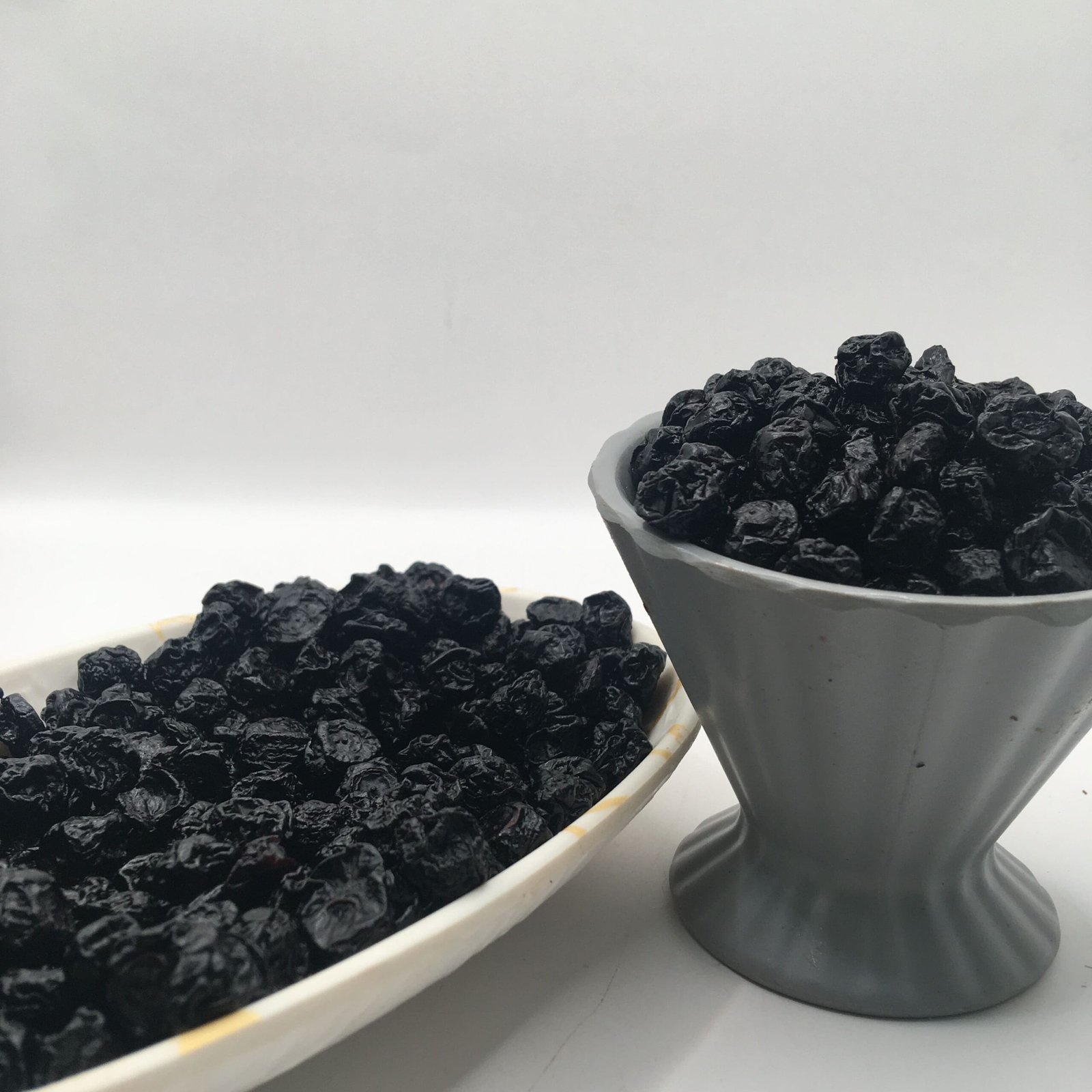
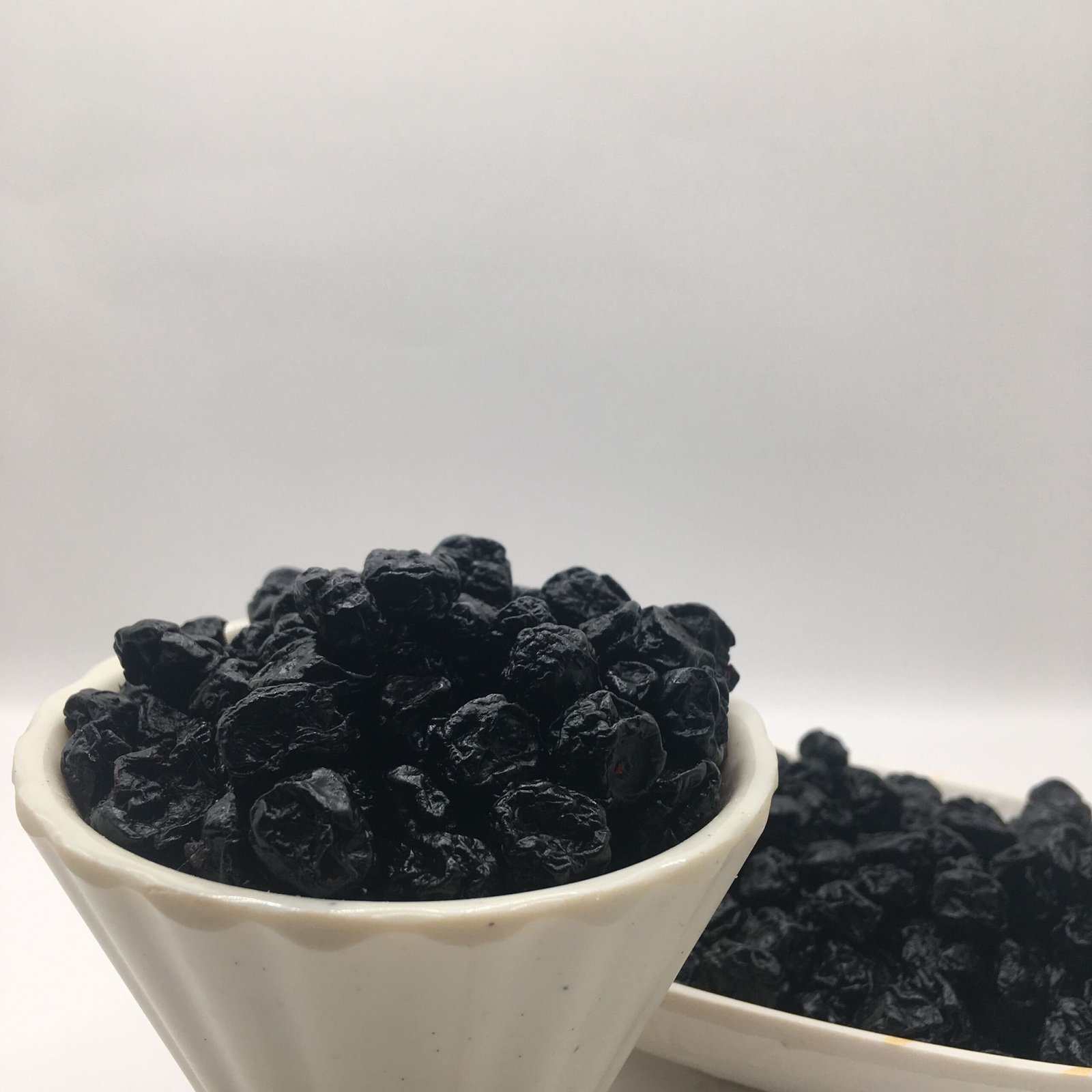


Description
Blueberries became the word superfood’s most overused example sometime around 2010 and have been paying for that association ever since, because now every conversation about them has to wade through a decade of marketing language before arriving at what is actually interesting about the fruit. What is actually interesting is that the antioxidant research on blueberries specifically is some of the most consistent in nutrition science, not because someone funded it generously, but because the results keep appearing whether anyone funds them or not. Oasis Dry Fruits sources imported dried blueberries because quality imported berries done without excessive sugar treatment are genuinely worth having in your kitchen for reasons that survive scrutiny better than most superfood claims do.
What the Research Actually Shows When You Eat These Consistently
The Anthocyanin Concentration Is the Real Story
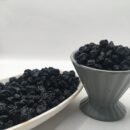
The deep blue-purple color in quality dried blueberries is anthocyanin doing its job visibly. These are among the most potent antioxidant compounds found in any fruit, and they reduce cellular oxidative damage through mechanisms that researchers have studied specifically in blueberries rather than inferring from general antioxidant theory. The color depth in a dried blueberry is a direct indicator of how much anthocyanin survived the drying process. Pale or faded dried blueberries have already told you something important about what you are not getting.
Brain Function Is Where Blueberry Research Gets Specific
The cognitive health evidence on blueberries is unusually targeted. Anthocyanins cross the blood-brain barrier, which most antioxidant compounds do not, and they reduce neuroinflammation and improve signaling between neurons in ways that show up in memory and processing speed research within weeks of consistent consumption. This is not a general brain health claim borrowed from antioxidant theory. It is a finding specific to blueberries that keeps appearing in independent research.
Blood Pressure Responds to These in a Way That Surprises People
Pterostilbene and anthocyanins in organic blueberries support arterial flexibility and reduce vascular inflammation in a way that produces measurable blood pressure improvements with consistent daily consumption. The effect is not dramatic in the short term, and it is nothing over months. For anyone whose blood pressure is something they are beginning to think about, daily antioxidant berries are one of the earlier and easier dietary adjustments worth making.
Insulin Sensitivity Improves With Consistent Blueberry Intake
Research on blueberry consumption and insulin response keeps finding that the anthocyanins improve the sensitivity of insulin receptors in a way that moderates post-meal glucose spikes over weeks of consistent eating. For anyone managing energy stability or blood sugar through food rather than medication, this is one of the more interesting findings in the blueberry literature because it addresses a mechanism rather than just a symptom.
DNA Protection Is the Benefit Nobody Mentions at a Snack Level
Anthocyanins and pterostilbene in superfood berries have been studied for their ability to reduce oxidative DNA damage, the kind of cellular-level harm that accumulates from daily environmental exposure and dietary stress and contributes to chronic disease development over decades. Nobody is suggesting dried blueberries prevent cancer. The research is saying that consistent antioxidant intake reduces the oxidative load that creates the conditions where cellular damage accumulates, which is a different and more defensible claim.
Gut Health Gets Something Specific From Blueberries
The polyphenols in natural berry snacks act as prebiotics that feed Akkermansia muciniphila specifically, a beneficial gut bacteria species linked to metabolic health and gut barrier integrity. Most prebiotic conversations focus on general fiber. The blueberry gut research is more specific than that and more interesting for it.
Eye Health Through Anthocyanin Accumulation in Retinal Tissue
Anthocyanins accumulate in retinal tissue and reduce the oxidative damage from UV and screen exposure that contributes to vision deterioration over time. The eye health case for healthy berry fruits consumed daily is one of the quieter but more consistent findings in blueberry research and one that most buyers have never encountered because nobody is marketing it as aggressively as the brain health angle.
Inflammation Reduction That Shows Up Across Multiple Systems
The anti-inflammatory effect of consistent blueberry consumption appears across joints, gut lining, arterial walls, and brain tissue in research rather than being isolated to one system. The breadth of the effect reflects the fact that anthocyanins address a fundamental cellular mechanism rather than a single targeted pathway.
Nutritional Profile
| Nutritional Data | Per 100g | Per 250g Pack | Per 500g Pack |
| Energy | 317 kcal | 792.5 kcal | 1585 kcal |
| Carbohydrates | 85g | 212.5g | 425g |
| Dietary Fibre | 5.1g | 12.75g | 25.5g |
| Natural Sugars | 72g | 180g | 360g |
| Protein | 3.6g | 9g | 18g |
| Total Fat | 1.4g | 3.5g | 7g |
| Potassium | 836mg | 2090mg | 4180mg |
| Calcium | 38mg | 95mg | 190mg |
| Iron | 1.2mg | 3mg | 6mg |
| Vitamin C | 13mg | 32.5mg | 65mg |
Approximate values based on standard Vaccinium corymbosum dried blueberry composition with minimal processing.
The Honest Situation With Dried Blueberries in India
Dried blueberries in India are a category where the gap between what is on the label and what is in the packet is wide enough to matter significantly for anyone buying them for reasons beyond how they taste in a muffin. Oasis Dry Fruits sources dried blueberries the way the research requires them to be handled to deliver what the research found.
- Minimal processing without sugar infusion that compromises anthocyanin concentration
- Deep blue-purple color throughout, confirming antioxidant content survived drying intact
- Natural tartness is present because that tartness is the anthocyanin announcing itself
- No added sugar, no glucose syrup, no artificial color, no preservative at any stage
- Low-temperature drying that preserves the polyphenol profile that high-heat processing destroys
- Sealed packaging that protects anthocyanins from light degradation between production and your kitchen
- Consistent color depth and natural tartness across every batch from sourcing standards applied uniformly
- Dried blueberries India pricing that reflects genuine minimal-processing import quality rather than sugar-treated product at superfood margins
How to Actually Eat These
Straight from the Pack as a Daily Snack
A small handful mid-morning or mid-afternoon. The natural tartness is part of the experience rather than a flaw to be masked. People who start eating genuinely minimal-processing dried blueberries regularly stop finding the tartness anything other than normal within a week.
Into Overnight Oats the Night Before
A generous handful stirred into oat preparations before refrigerating. By morning, the anthocyanins have distributed through the oats, and the tartness has softened slightly from the overnight moisture absorption. The result tastes considered rather than assembled and requires no additional sweetener in most cases.
Blended Into Smoothies Where Color Tells You Something
A handful of any smoothie base turns the drink a deep purple-blue that tells you the anthocyanins went in. The color is not just visual. It is the antioxidant content making itself visible in the drink before you consume it.
Mixed With Dark Chocolate as an Antioxidant Pairing
Dried blueberries and good dark chocolate together are not a health claim. They are a flavor combination that happens to pair two high-antioxidant ingredients in a way that tastes better than either produces alone and requires no recipe or preparation.
Into Yogurt for the Gut Health Combination
Stirred into Greek yogurt, where the probiotic bacteria in the yogurt and the prebiotic polyphenols in the blueberries are working on gut health from two directions simultaneously. The combination is more useful than either component alone, and it tastes straightforwardly good without requiring anyone to think about it.
As a Baking Ingredient Where Processing Temperature Matters
Added to muffin or pancake batter, where the baking temperature is lower than industrial processing temperatures, preserving more anthocyanin content in the finished product than most people expect baked goods to retain. Blueberry muffins made with quality dried blueberries taste different from those made with inferior products in ways that are immediately obvious.
FAQs
Why do some dried blueberries taste sweet while others are tart?
Sugar infusion during processing is almost always the answer for the sweet ones. Genuinely minimal-processing dried blueberries retain the natural tartness of the fresh fruit because nothing was added to mask it.
How do I know if the dried blueberries I receive have genuine anthocyanin content?
Color and taste together tell you. Deep blue-purple color and noticeable tartness indicate anthocyanin intact. Brown color and uniform sweetness indicate processing that compromised both.
How many dried blueberries should I eat daily for the cognitive and antioxidant benefits?
Twenty to thirty grams daily is the amount that aligns with research-based quantities and shows measurable outcomes. That is roughly a small handful and delivers meaningful anthocyanin intake without the natural sugar content becoming a concern.
Are imported dried blueberries worth the price compared to other dried fruits?
The anthocyanin concentration and the specificity of the cognitive and vascular research on blueberries make them one of the more evidence-backed premium dried fruit purchases available. Whether that justifies the price is a personal calculation, but the research basis for it is more solid than most superfood claims.
Do dried blueberries retain the health benefits of fresh blueberries?
When dried at low temperatures without sugar infusion, the anthocyanin and polyphenol profile concentrates rather than disappearing, making quality dried blueberries more antioxidant-dense per gram than fresh in many cases.
Is organic certification the most important thing to look for when buying dried blueberries?
The processing method matters more than certification for this specific fruit. An organically grown blueberry that was dried at high temperature and sugar-infused has less nutritional value than a conventionally grown one dried minimally at low temperature. Both variables matter, and the label usually only tells you about one of them.










Leave a Reply