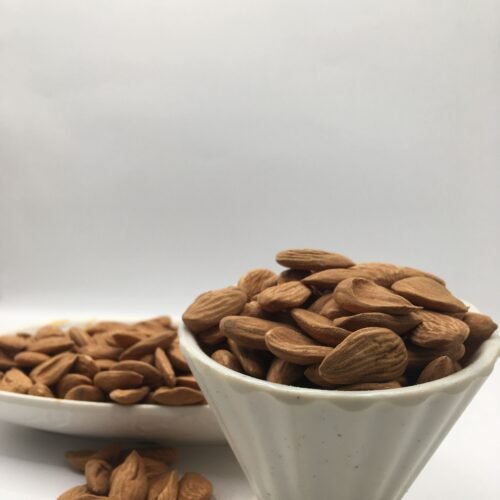




Description
- Improves Heart Health
- Cures Anemia
- Prevents Colon Cancer
- Rich In Antioxdients
- Prevents Breast Cancer
- Prevents Hair Growth
- Good For BP Control And Blood Increase
- Good For Energy
BenefitsDried figs are a good source of fiber, antioxidants, and minerals. They can help with:
Digestion: Dried figs can relieve constipation and promote regular bowel movements.
Weight loss: Dried figs can help you feel full longer.
Blood pressure: Dried figs are high in potassium, which can help control blood pressure.
Heart health: Dried figs can help improve heart health by removing excess fat and pressure from the heart.
Bone health: Dried figs are high in calcium, which contributes to bone health.
Anemia: Dried figs are high in iron, which can help reduce the risk of anemia.
- Side effectsDried figs should be eaten in moderation because they can cause digestive issues, bleeding, and allergies. They may also interfere with blood thinning medications due to their vitamin K content.
- InteractionsDried figs may interact with certain medications, such as insulin and diabetes medications. If you take these medications, you should talk with your health provider before consuming dried figs.
Allergic reactionsPeople who are sensitive to latex, mulberry, or weeping fig may experience allergic reactions to dried figs.
Nutrition Name Nutrition Value Calories 249 calories per 100 grams Fiber 10 grams per 100 grams Sugar 48 grams per 100 grams Calcium 12% of the recommended daily intake (RDI) per 100 grams Magnesium 16% of the RDI per 100 grams Potassium 14% of the RDI per 100 grams Protein 3 grams per 100 grams
- InteractionsDried figs may interact with certain medications, such as insulin and diabetes medications. If you take these medications, you should talk with your health provider before consuming dried figs.