

Description
Kashmiri Shahi Jeera (Black Cumin Seeds)
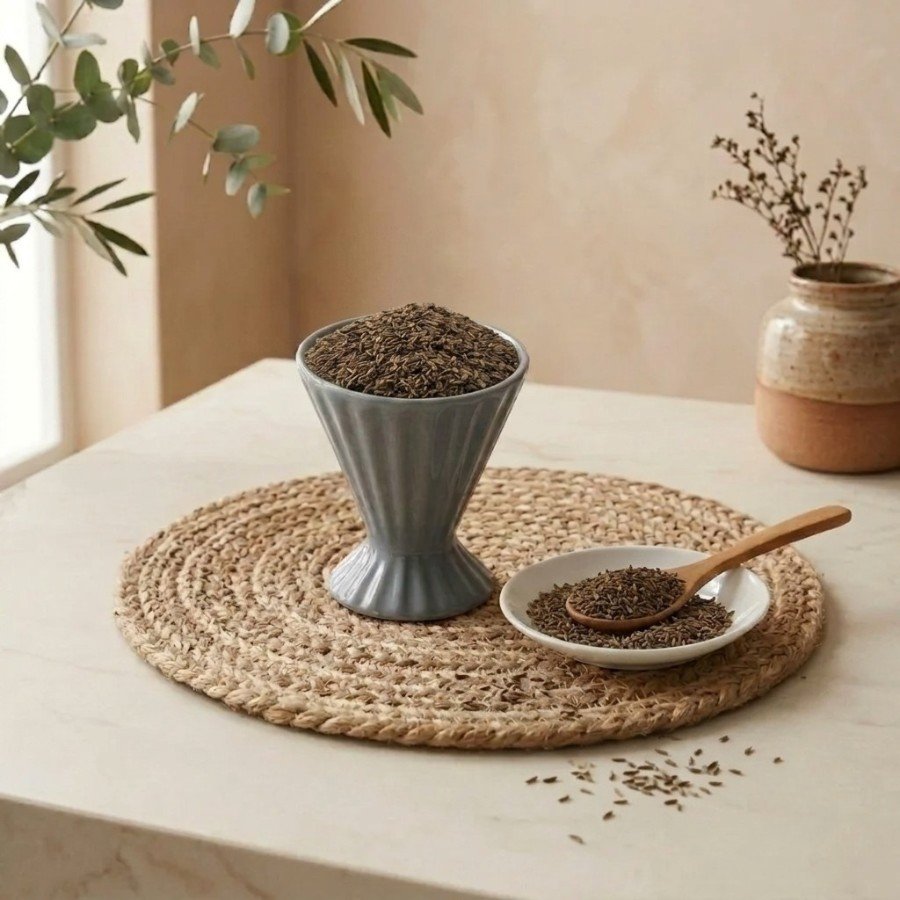
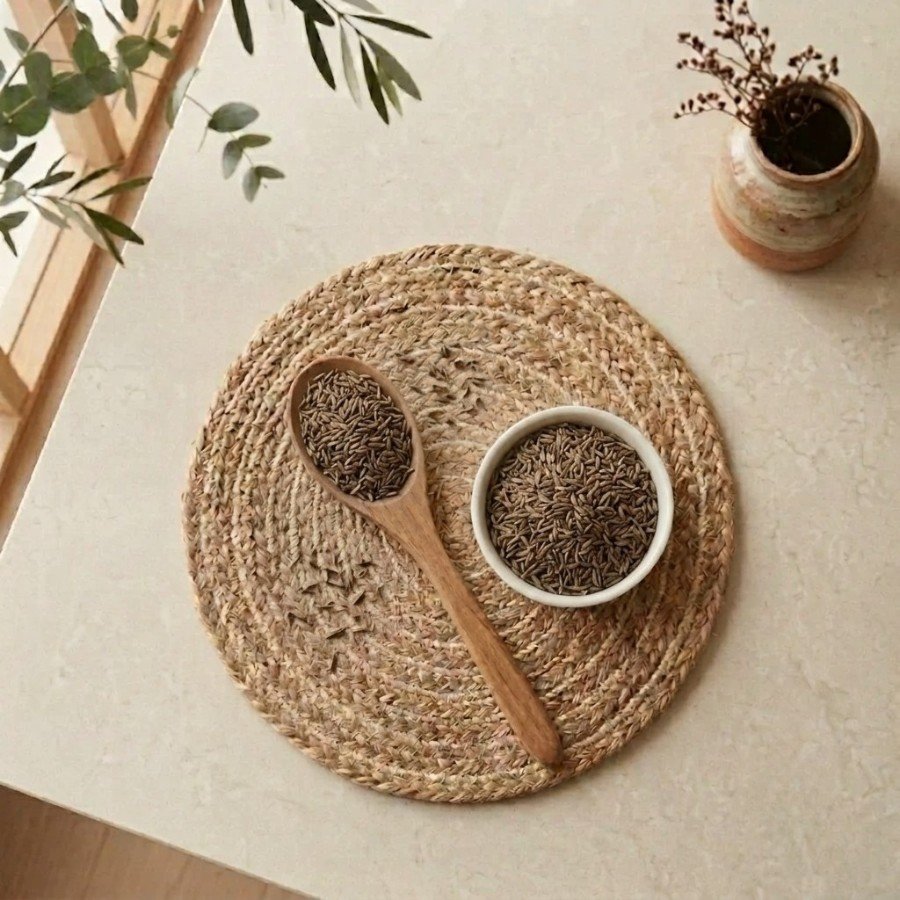
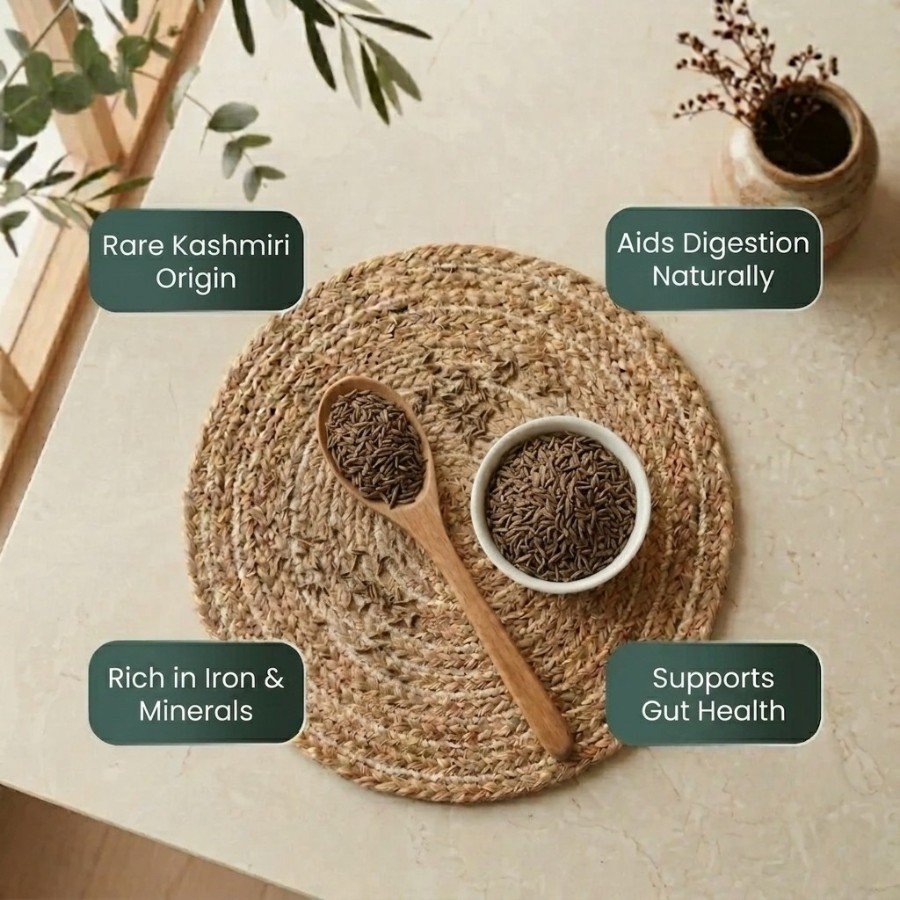
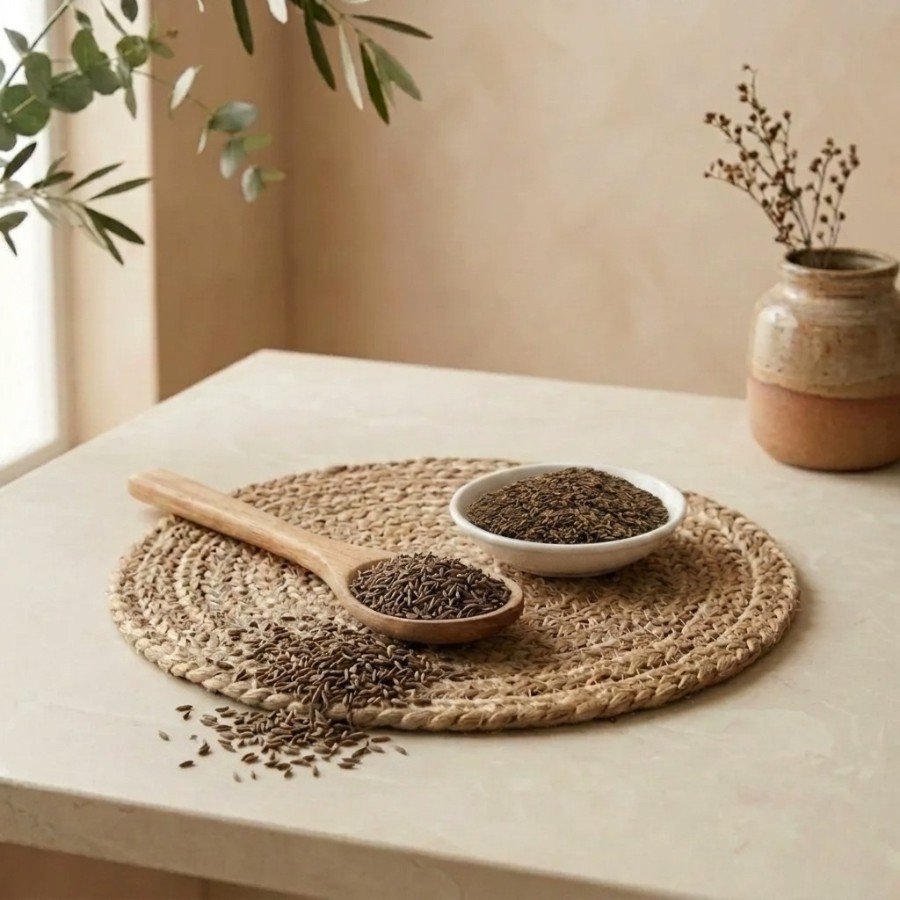
Somewhere in the process, Shahi Jeera got lumped with regular spice racks. No one corrected it. They’re different. It is a distinct Kashmiri Shahi Jeera online, which can be described as Bunium persicum, a distinct species that is found at high altitudes in the Kashmir valley. It has an aroma that cumin from the lowland simply will never have. The earthy sweetness, the nearly floral quality, the long-lasting warmth that it imparts to dishes, that’s the reason it became the base for Kashmiri Wazwan preparation and also the secret ingredient behind Mughal rice recipes for a long time. If you’ve tried making a dish using jeera, and have wondered what makes certain dishes not appear as they should you expect, this could be the missing ingredient.
Nutritional Benefits & Wellness Value
Being at an altitude can do something to plants which flat-land farming is unable to reproduce. Bunium persicum produces greater essential oils and greater antioxidant levels in direct reaction to the harsher Kashmiri growing conditions. That’s where both the taste and health benefits are derived from.
What it does for your Digestive System is Not Small
The classical Ayurvedic text, Shahi Jeera, shows up often in the form of a digestion aid, and it’s not only because it tastes good. The active components, limonene and carvone in particular, are able to stimulate bile flow and stimulate digestive enzymes that help make the breakdown of fat significantly more effective. If you often feel unwell and slow to digest your meals or suffer from weight gain that isn’t in line with the food you eat, cooking using Shahi Jeera every day is among the simplest dietary changes you can implement. It is a quiet and consistent method without any major effort from you.
Inflammation Is Something It Actively Works Against
Thymoquinone is the compound that gives black cumin seeds much of their anti-inflammatory credibility. It does not work overnight, and it does not work from a single meal. What it does is reduce the background inflammation that accumulates over years of processed food, environmental stress, and inconsistent sleep, without most people even registering that it is happening. Joint discomfort, digestive inflammation, and skin reactivity that seems to have no clear cause, these are often signs of systemic inflammation building quietly. Spices like Shahi Jeera, used daily in cooking, are one of the more sustainable ways to address that at the root.
The Iron Content Here Is Worth Paying Attention To
At roughly 66mg of iron per 100g, Kashmiri black cumin seeds carry more iron than most people expect from a spice. Obviously, you are not eating 100g of Shahi Jeera in one sitting, but regular use across daily cooking accumulates. For anyone dealing with low energy, poor concentration, or general fatigue without an obvious explanation, iron insufficiency is often somewhere in the picture, and quietly increasing dietary iron through spices you are already using costs nothing extra.
Chest and Throat Relief the Old-Fashioned Way
Shahi Jeera tea to relieve respiratory congestion is among the remedies that have survived many centuries of usage across Kashmir as well as Central Asia, not because of any particular tradition, but due to the fact that it actually assists. The essential oils found in Bunium persicum possess expectorant properties, which loosen mucus and relieve irritation to the bronchial passages in a manner unlike warm water on its own. The high-altitude seeds contain these volatile compounds in higher concentrations than those grown commercially at lower elevations. This is the reason that the Kashmiri cultivar has always been the most chosen for this purpose.
Your Heart Benefits From What You Are Adding to Food Anyway
A high level of potassium, 1700mg per 100g, is a figure that is important for those who eat the typical South Asian diet, where sodium consumption is high in all meals of the day. Potassium helps to counterbalance sodium loads and helps maintain a healthy blood pressure without requiring additional supplements or a diet change. The magnesium content aids in the relaxation of the arterial vessels and the normal heart rhythm. None of these is an extraordinary intervention. Both offer continuous passive benefits that add in a meaningful way over time of consistently cooking using the correct ingredients.
Antioxidants at a Concentration That Lowland Farming Cannot Match
Plants respond to environmental stress by producing more protective compounds, and Kashmir’s high-altitude growing conditions put Bunium persicum under exactly that kind of productive stress. The resulting flavonoid and phenolic concentration in genuine Kashmiri Shahi Jeera is measurably higher than in commercially farmed cumin grown at lower altitudes. These antioxidants reduce the oxidative damage that contributes to cellular ageing, immune suppression, and chronic disease development over time. It is not something you feel in a week. It is something that shows up in how you age.
Nutritional Profile
| Nutritional Data | Per 100g Serving | Per 50g Pack | Per 100g Pack |
| Energy | 375 kcal | 187.5 kcal | 375 kcal |
| Carbohydrates | 44g | 22g | 44g |
| Dietary Fibre | 11g | 5.5g | 11g |
| Protein | 18g | 9g | 18g |
| Total Fat | 22g | 11g | 22g |
| Potassium | 1788mg | 894mg | 1788mg |
| Calcium | 931mg | 465.5mg | 931mg |
| Iron | 66mg | 33mg | 66mg |
| Magnesium | 366mg | 183mg | 366mg |
| Essential Oils | 2.5–4% | — | — |
Values are approximate. Based on the standard Bunium persicum Kashmiri black cumin composition.
Why Choose Oasis Dry Fruits
The Shahi Jeera category has a substitution problem that sellers rarely bring up, and buyers usually only discover after opening the packet and smelling nothing useful.
Oasis Dry Fruits sources Kashmiri Shahi Jeera with the origin specificity and aroma integrity that make it worth buying in the first place, not just worth listing.
- Genuine Bunium persicum from verified high-altitude Kashmir growing regions
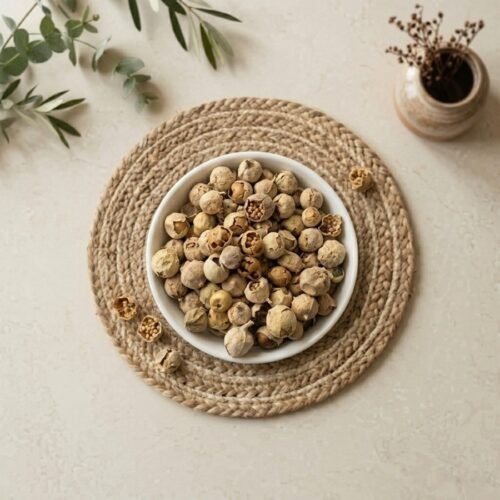
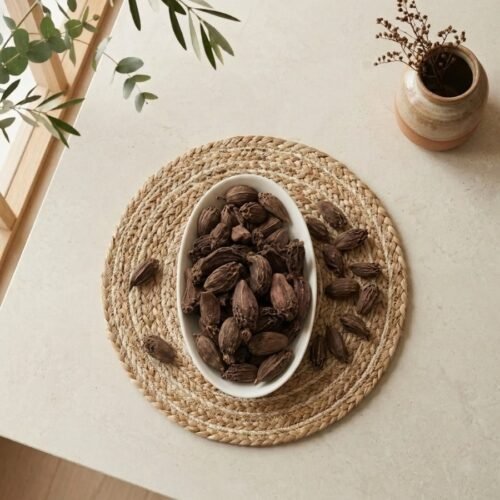
- Elongated seed shape and an immediate sweet, earthy aroma confirm the real variety
- No substitution with common cumin or caraway at any point in the sourcing chain
- Essential oil potency is protected through proper low-moisture sealed storage
- Shahi Jeera price in India reflects honest Kashmiri sourcing without inflated margins
- Hygienic packaging that keeps volatile aroma compounds intact through delivery
- Consistent across batches, suitable for Wazwan, biryani, and garam masala
- Available individually and in bulk without quality dropping between orders
Ways to Enjoy Kashmiri Shahi Jeera
Kashmiri Wazwan and Rogan Josh
Two pinches of whole Shahi Jeera into hot ghee right at the start, before anything else goes in. The essential oils release into the fat immediately, and from that point forward, every ingredient that follows gets built on top of that foundation. This is not optional in traditional Kashmiri cooking. It is the beginning of the dish.
Aromatic Jeera for Biryani
Add whole seeds into hot oil at the tempering stage alongside bay leaf and black cardamom. Shahi Jeera’s earthy sweetness works differently from regular cumin and adds a base complexity that most people taste clearly but cannot immediately name when they ask why this biryani is better than the last one.
Homemade Garam Masala
Dry roast Shahi Jeera with coriander, black pepper, and cardamom before grinding everything together. The difference between a masala made with genuine Kashmiri black cumin seeds and one made with regular jeera is not subtle. You notice it the first time you use the batch.
Digestive Tea After Heavy Meals
Lightly crush a teaspoon of seeds, steep in boiling water for eight minutes, strain, and add honey. Drink it after a meal that sat heavily. This has been done across Kashmir and Central Asia for centuries, not as a trend but as a practical remedy that actually works.
Dal and Lentil Tempering
Replace or supplement regular cumin with Shahi Jeera in your tadka for dal makhani or moong dal. The earthy sweetness suits lentil dishes in a way that regular jeera approaches but never quite reaches.
Plain Basmati Rice
Drop a pinch of whole seeds into the cooking water. The rice picks up just enough of the essential oil fragrance to smell and taste intentional rather than plain. A small addition that changes the whole experience of a simple rice dish.
Frequently Asked Questions
-
Is Kashmiri Shahi Jeera actually different from regular cumin or just a fancier name for it?
Completely different plant, Bunium persicum versus Cuminum cyminum, with a noticeably sweeter and more complex aroma that regular cumin does not come close to matching.
-
How do I know the Shahi Jeera I receive is the genuine Kashmiri variety?
Rub a few seeds between your fingers and smell immediately. Real Kashmiri Shahi Jeera releases a distinctly sweet, earthy aroma straight away. No smell or a flat cumin smell means it is not the right thing.
-
Why is the Shahi Jeera price in India higher than regular jeera?
Bunium persicum is hand-harvested from high-altitude Kashmiri terrain in limited seasonal yields. The labour, the altitude, and the limited availability all contribute to the price difference from commercially farmed cumin.
-
How do I use it as an Ayurvedic digestive aid at home?
Steep lightly crushed seeds in hot water for eight minutes and drink after meals, or simply cook with them daily since consistent dietary use delivers the same cumulative digestive benefit over time.
-
Can Shahi Jeera replace regular cumin directly in recipes?
Yes, but use slightly less because genuine Kashmiri black cumin seeds are more intense and will dominate lighter dishes if you swap gram for gram without adjusting.
SEO Meta Tags






Leave a Reply