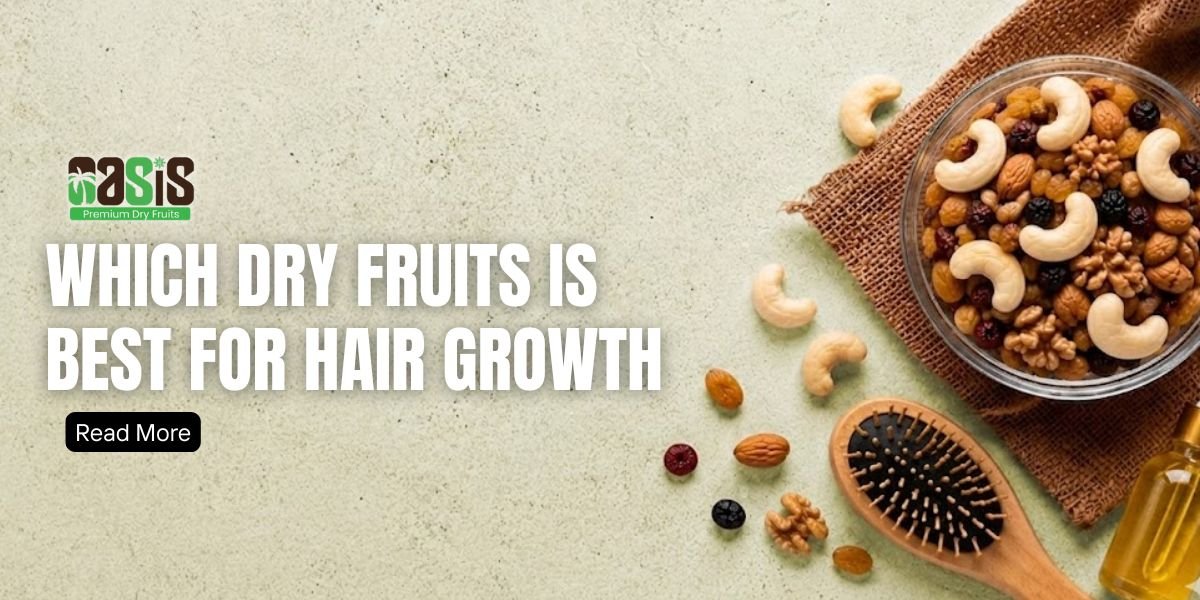
Hair fall sneaks up on you. It’s the shower drain first, then the pillow, then the comb and somewhere in that slow panic, someone at home will say the same thing they always say. Are you eating your Badam? Drinking enough water? Getting sleep? It sounds like it’s coming from a place of helplessness, like they don’t know what else to suggest. But the Badam part is actually right. Which dry fruit is best for hair isn’t something most people can answer specifically, but they feel the truth of it without knowing the mechanism. Hair follicles are hungry cells. They need iron, zinc, biotin, Vitamin E, and essential fats constantly, not occasionally. When those drop in the diet, the follicle goes quiet. And no shampoo fixes a clogged follicle. Food does.
What Your Hair and Skin Are Actually Asking For
Skin and hair have this in common: they’re both low-priority tissues in the body’s hierarchy. When nutrition gets tight, the body routes whatever’s available to organs first. Skin and hair get what’s left. This is why deficiencies show up there before they show up anywhere you’d notice in a blood test. The dullness, the thinning, the nails breaking, these are early signals.
Dry fruits are concentrated. A small handful of the right ones covers ground that would take a whole meal of regular food to match. Fat-soluble vitamins like Vitamin E don’t need to be eaten in large quantities; they accumulate. Minerals like zinc and iron are present in reasonably absorbable forms, especially from soaked nuts. The logic behind eating dry fruits for skin and hair isn’t folk wisdom dressed up as nutrition. It’s just nutrition.
Dry Fruits That Actually Move the Needle
Badam Start Here, Always
There’s a reason this keeps coming up. Vitamin E in Badam is genuinely high, and Vitamin E does two things that matter: it protects the scalp from oxidative damage, which is what causes follicle miniaturisation over time, and it maintains the skin’s moisture barrier from the inside. Magnesium also supports blood flow to the scalp. Circulation to the root is what delivers nutrients to the follicle. Without it, even a good diet doesn’t fully reach the hair.
Eat soaked Badam if you’re doing this for beauty specifically. Peeled after overnight soaking. The difference in absorption is real enough to be worth the two minutes it takes.
Akhrot Seriously Underestimated
Dry scalp is behind more hair fall than people realise. Not stress, not genetics, just a scalp that’s not hydrated enough to support the follicle environment properly. Akhrot fixes this. The omega-3 concentration is higher than almost any other nut, and omega-3s are what keep the scalp from drying out and flaking. The biotin content also strengthens the keratin structure of each strand, which is the difference between hair that breaks at the midpoint and hair that grows out fully.
For skin, the same fats, same anti-inflammatory action. Dull, tired-looking skin is often inflamed skin. Akhrot dials that back.
Soak them. The soaking water goes brown, which puts people off, but that’s just tannins leaving. Pour it out, rinse, eat. The bitterness almost disappears.
Pista The Colour Question
This one comes up specifically when people are dealing with early greying or uneven skin tone. Pista has copper, which is directly involved in melanin synthesis. Hair colour and skin pigmentation both depend on melanin. Low copper doesn’t cause greying by itself, but it doesn’t help. Pista also has lutein and zeaxanthin, which protect skin from UV damage, not dramatically, but consistently, over time.
Ten to twelve unsalted pistachios a day. Not more, because the calorie density adds up faster than you’d think.
Kaju Zinc Is the Point
Zinc does two things here. On the scalp, it regulates sebum production, the oiliness that, when it goes wrong, creates the environment for dandruff and follicle blockage. On the skin, zinc is involved in cell repair and melanin regulation, which is why people with acne or hyperpigmentation often have low zinc. Kaju is the easiest dietary source. Four to six raw cashews daily is enough. More than that, and you’re eating calories, not nutrients.
Iron too, which matters, iron deficiency is one of the most common but least suspected causes of hair thinning, especially in women in their thirties.
Anjeer Nobody Talks About This One
This is the gap. Practically every article on dry fruits for hair and skin lists Badam, Akhrot, and maybe Pista. Anjeer seldom shows up. But two soaked Anjeer in the morning give you Vitamin C and iron together, which is actually the ideal pairing. Vitamin C helps the body absorb non-heme iron from plant sources far more efficiently than iron eaten alone. Iron feeds red blood cells. Red blood cells carry oxygen to the scalp. Oxygen at the follicle level is what keeps the growth phase running.
For skin, Anjeer’s antioxidant load slows collagen breakdown. Collagen is structural; it’s what keeps skin firm rather than sagging. Losing it slowly is normal. Losing it faster because of a poor diet is avoidable.
Kishmish For the Skin You’re Not Happy With
Resveratrol is the reason. It’s a polyphenol in Kishmish that fights the free radical damage specifically linked to premature ageing. Beyond that, Kishmish has iron for the same reasons Anjeer does, and the natural sugars, unlike refined sugar, don’t spike the kind of inflammation that shows up as acne or redness in people who are sensitive to sugar.
Soak them overnight and drink the soaking water. This was covered in the soaking blog, but it’s worth repeating here because the soaking water carries potassium and iron that are worth keeping.
Chilgoza Expensive But Worth Knowing About
Pine nuts. Hard to find, relatively pricey, and almost completely absent from mainstream dry fruit conversations. Chilgoza has Vitamin E, zinc, and pinolenic acid, a fatty acid that hydrates both scalp and skin in a way that’s different from omega-3s. People with dry hair and dry skin simultaneously often respond well to it. A small amount, a few times a week, is genuinely useful.
The Amounts That Actually Matter
Too much of anything causes problems. Zinc toxicity from overconsumption of Kaju is real. Excess omega-3 from too many Akhrot causes digestive issues. This is the practical daily baseline, not a treatment, just maintenance:
- Badam: 6 to 8 soaked and peeled, every morning
- Akhrot: 2 to 3 halves, soaked
- Pista: 10 to 12, unsalted
- Kaju: 4 to 6, raw
- Anjeer: 2, soaked overnight
- Kishmish: a small handful, soaked
- Chilgoza: 8 to 10, a few times a week
Rotate. Don’t eat everything every day. The body responds better to variety than to the same handful on repeat.
What I Actually Noticed
I’m not someone who tracks things obsessively, but I did pay attention during a stretch when I added Akhrot and Anjeer deliberately. The hair fall wasn’t dramatic; it was the slow kind, the kind where you suddenly notice the parting looks wider. Six weeks in, it had slowed noticeably. The thing I didn’t expect was the skin. I hadn’t been thinking about skin at all. But something cleared up around the jaw that had been there for months, and a general dullness I’d put down to stress just went. Slow changes are hard to credit to anything specific, but the timing lined up.
If You Want to Use These Topically Too
Eating is the primary thing. But two topical uses actually work, not just feel nice:
Warm Badam oil worked into the scalp and left for thirty minutes before washing, the Vitamin E absorbs through the scalp directly, and consistent weekly use reduces breakage over a couple of months. Not overnight. A couple of months.
Soaked Kaju blended with a little milk as a face paste for fifteen minutes, rinse. The zinc and fatty acids sit on the skin longer than they could via digestion. The effect on dull skin shows up faster topically than it does through diet alone. Use both if you’re in a hurry to see results.
Conclusion
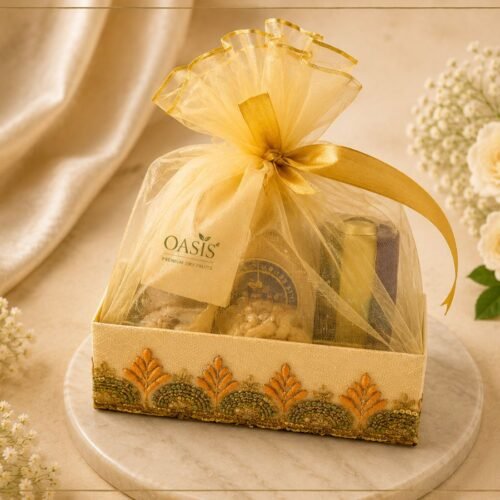
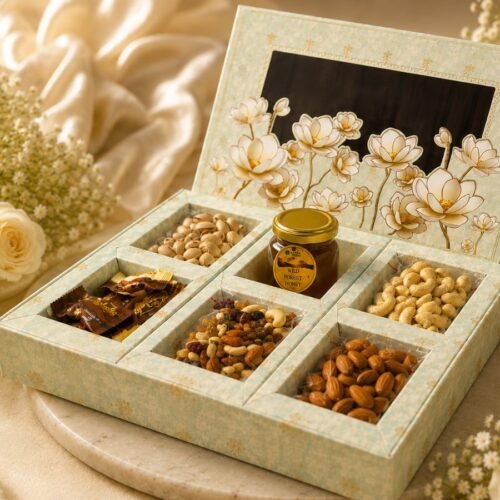
Which dry fruit is best for hair is the wrong question, honestly. It’s not one fruit. Badam for Vitamin E and scalp circulation. Akhrot for omega-3s and biotin. Kaju for zinc and iron. Anjeer because nobody else is eating it, and the Vitamin C plus iron combination is too useful to skip. Kishmish for the resveratrol and the soaking water you’d otherwise pour down the drain. These don’t race each other; they cover different parts of the same problem. Eat them consistently, in the right amounts, and give it six weeks before you decide nothing is happening. Oasis Dry Fruits carries all of them and packs them fresh, because a stale nut has lost a meaningful portion of the fat-soluble vitamins before it even reaches you.
FAQs
-
Which dry fruit is best for hair fall?
Akhrot, the omega-3s address scalp dryness, which drives more hair fall than most people realise, and the biotin strengthens the strand itself.
-
Can dry fruits genuinely improve skin tone?
Yes, over weeks, not days. Kaju regulates melanin production, Kishmish fights free radical damage, and together they visibly improve uneven tone with daily use.
-
How long before results show?
Four to six weeks minimum for hair. Skin responds a little faster, usually two to four weeks, but the changes are gradual enough that you might miss them unless you’re looking.
-
Raw or soaked, which is better for skin and hair?
Soaked, always. Fat-soluble vitamins like Vitamin E absorb more efficiently when the skin’s antinutrients have been broken down by soaking.
-
Which dry fruit helps with dandruff?
Kaju zinc is the mechanism. It regulates sebum production on the scalp, which is what creates the environment for dandruff in the first place.