

Description
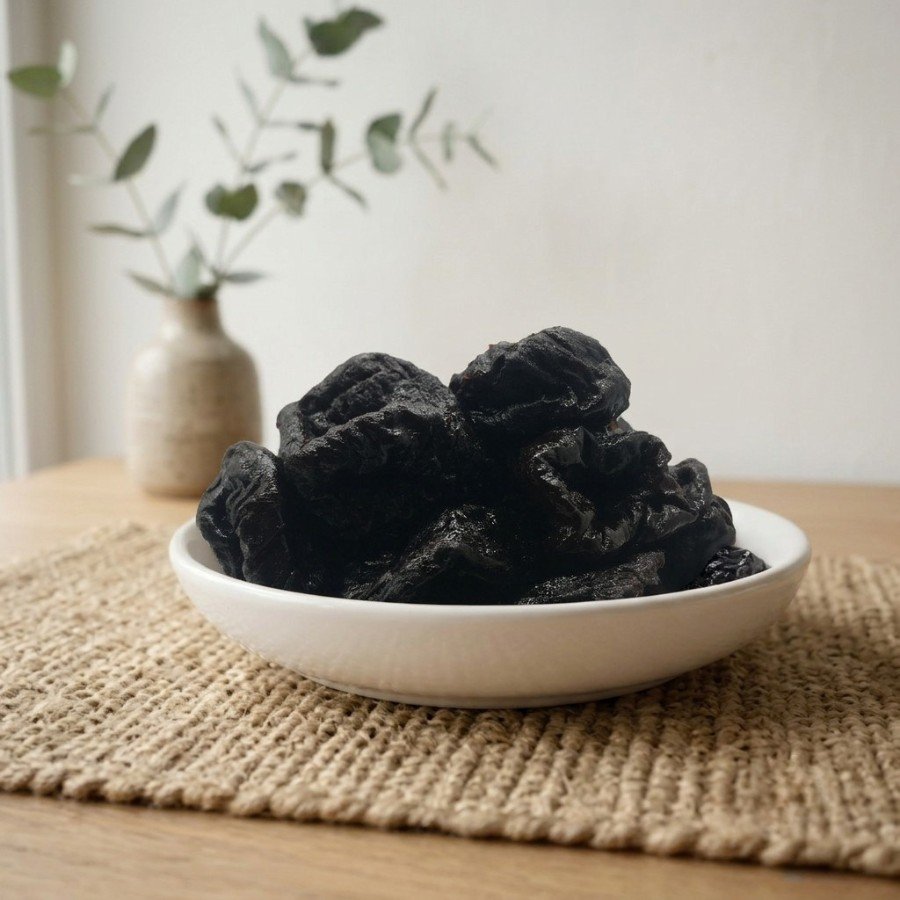
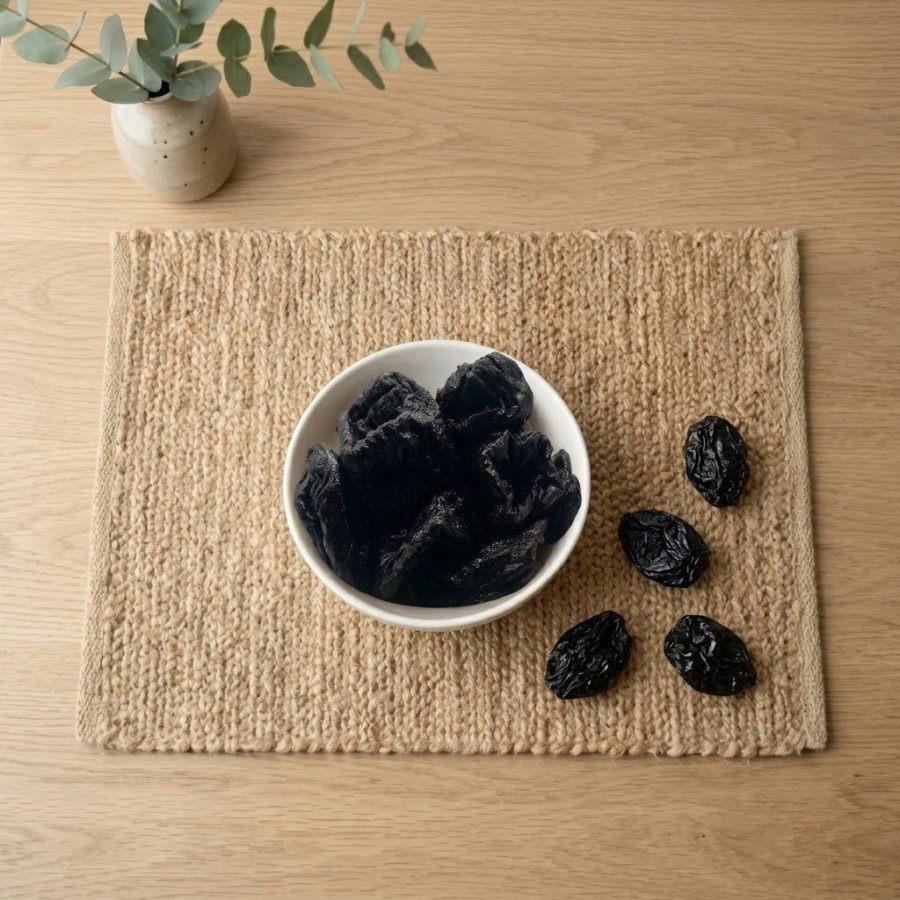
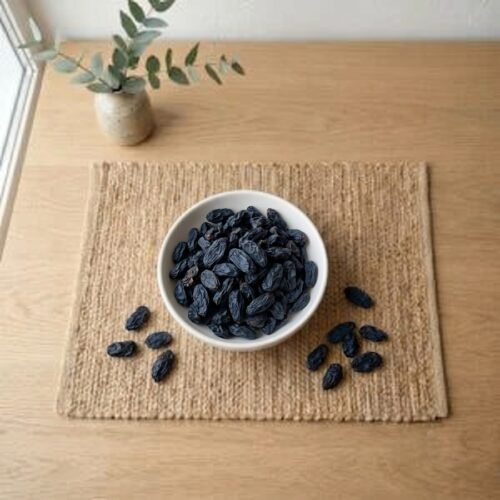
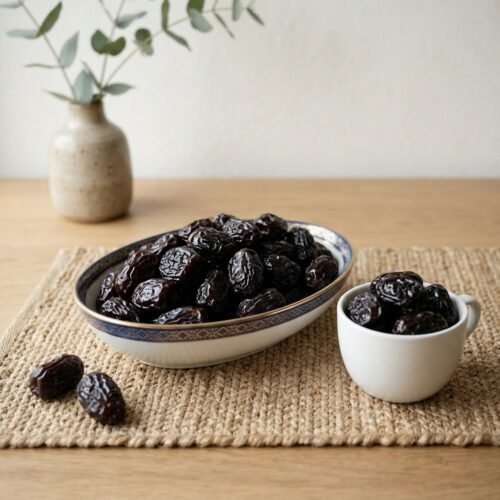
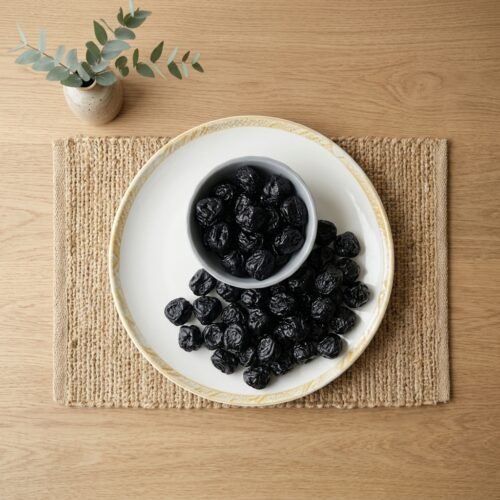
Prunes dried fruits India got handed the worst reputation in the fruit world by a generation that only encountered them in a medical context, and that association has been unfair to a fruit that is genuinely one of the better-tasting things in the dried fruit category when it is sourced and handled properly. Bite into a good imported prune, and what you get is jammy, deep, almost wine-like sweetness with a slight tartness underneath it that builds rather than fades. That experience has nothing to do with whatever is sitting in a hospital ward somewhere. Oasis Dry Fruits brings proper dried plum fruits to India because this fruit deserves to be bought for how it tastes, not just what it fixes.
What You Notice When You Eat These Regularly
Two a Day and Your Digestion Changes in Ways You Stop Taking for Granted
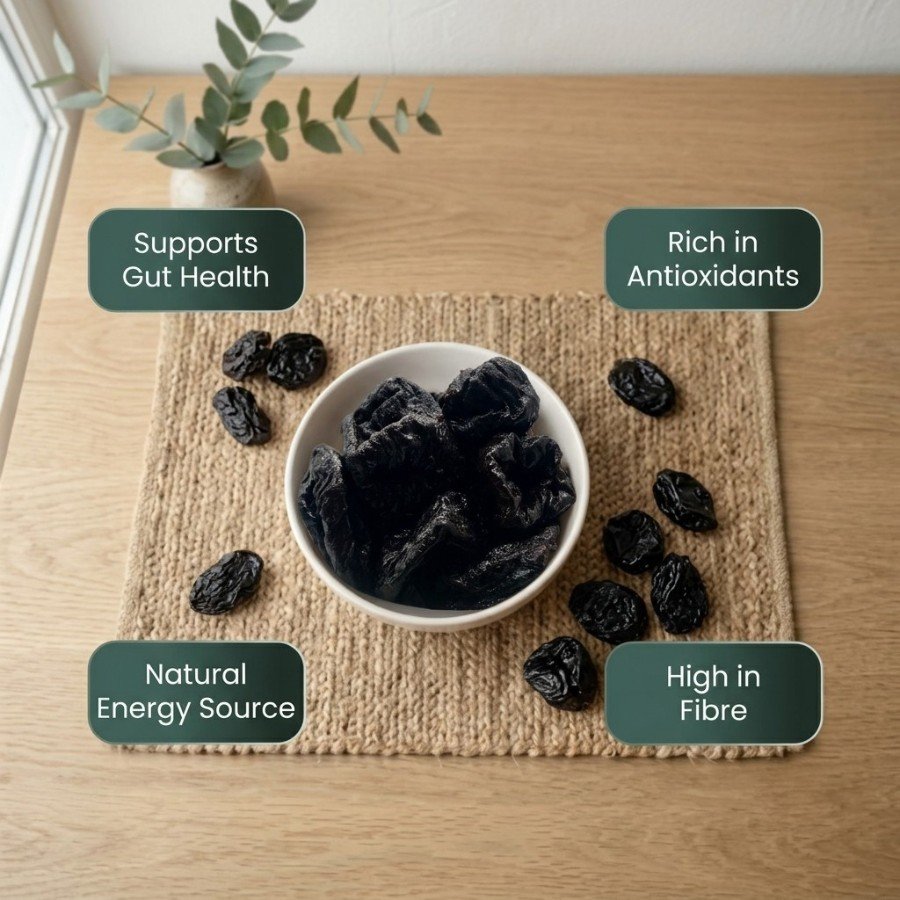
Prunes contain sorbitol, a sugar alcohol found almost nowhere else in the fruit world, and it draws water into the colon and gets things moving through a mechanism that fiber supplements spend their entire existence trying to approximate. Two to three daily meals consistently is genuinely enough. More is not better. Consistency is better.
The Bone Research Is the Part Nobody Expects
Boron, vitamin K, and potassium showing up together in a dried fruit and then showing up in studies on postmenopausal bone density decline is not a coincidence someone invented for a label. Researchers looking for food interventions that slow bone loss kept landing on dried plums specifically, not dried fruit generally, which suggests something about this particular fruit’s composition that is still not fully explained.
It Tastes Sweet, but your blood sugar disagrees with what you expect
The glycaemic index of a prune sits lower than that of white bread, white rice, and most breakfast cereals. Something about how the soluble fiber slows glucose absorption in the specific way it does in this fruit means the sweetness you taste and the blood sugar response your body has are telling two different stories. For anyone managing energy stability through food, that number matters more than the sugar content on the label does.
The Antioxidant Compounds in Here Have Actual Names Worth Knowing
Neochlorogenic and chlorogenic acids sound like chemistry homework, but they are the phenolic compounds responsible for the deep color of a quality dried plum, and they are doing real free radical work every time you eat them. The depth of color in a prune is a reasonable proxy for how much of this is still intact. Faded brown prunes with no sheen have sat somewhere warm too long.
Iron and Vitamin C in the Same Bite Is Rarer Than It Sounds
Most iron-rich plant foods need something acidic to be eaten alongside them to convert the iron into a form the body actually absorbs. Prunes contain both in the same fruit, which means the absorption problem that makes plant-based iron frustrating to rely on is partially solved without any deliberate pairing required. Women managing iron levels through diet rather than supplements should know this.
What the Liver Does With the Antioxidant Load
Traditional medicine systems that used prunes for digestion were also using them for liver support, and the reasoning holds up when you look at what the phenolic compounds actually do to liver enzyme activity and oxidative stress on hepatic cells. Not a detox claim. Just a fruit that gives the liver something useful to work with.
The heart gets three separate things simultaneously
Potassium pushes back against sodium-driven blood pressure elevation. Soluble fiber binds dietary cholesterol before it enters circulation. Phenolic antioxidants reduce LDL oxidation. Three mechanisms, one small daily portion, none of them requiring the digestive benefit to be the reason you started eating prunes.
Skin Ages Differently When the Antioxidant Foundation Is There
Vitamin C for collagen. Phenolic compounds for oxidative damage that break down skin structure over the years. Neither of these works as fast as anything applied topically, and both work more fundamentally than anything applied topically. The timeline is months, not mornings.
Nutritional Profile
| Nutritional Data | Per 100g | Per 250g Pack | Per 500g Pack |
| Energy | 240 kcal | 600 kcal | 1200 kcal |
| Carbohydrates | 63g | 157.5g | 315g |
| Dietary Fibre | 7.1g | 17.75g | 35.5g |
| Natural Sugars | 38g | 95g | 190g |
| Protein | 2.2g | 5.5g | 11g |
| Total Fat | 0.4g | 1g | 2g |
| Potassium | 732mg | 1830mg | 3660mg |
| Calcium | 43mg | 107.5mg | 215mg |
| Iron | 0.9mg | 2.25mg | 4.5mg |
| Vitamin K | 59mcg | 147.5mcg | 295mcg |
Approximate values based on standard Prunus domestica dried plum composition.
The Honest Situation With Prunes in the Indian Market
Most of what gets sold as natural prunes in India is not natural in the way that word should mean anything. Oasis Drt Fruits treats prunes as something worth sourcing properly rather than just stocking.
- No added sugar or glucose syrup treatment at any point in the sourcing chain
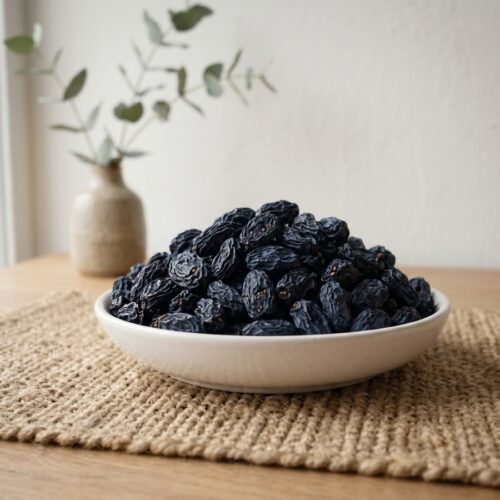
- Deep purple natural color and a slight sheen indicating phenolic content intact
- Soft, pliable texture from proper moisture retention rather than over-drying or humidity damage
- Imported from origins where dried plum production standards are actually applied
- Zero preservatives, zero artificial color, nothing added that the fruit did not arrive with
- Short stock rotation because prune quality declines in ways that matter, and timelines matter
- Sealed packaging keeps antioxidant and fiber content away from heat and air
- Consistent deep jammy flavor across orders, rather than the variability of commodity sourcing
How People Actually Eat These
Before Bed, Two or Three, Every Night Without Exception
Consistency is what makes prunes work for digestion. Occasional large amounts do not replicate what two eaten every night for three weeks does. Before bed is practical because it removes the decision from a busy day, and the timing works well with overnight digestive activity.
Soaked in a Glass of Water Overnight
Cover them and leave them. Drink the soaking water in the morning alongside the rehydrated fruit. The water picks up some of the soluble fiber and sorbitol, and the fruit itself becomes softer and gentler in effect than eating it dry. Worth doing for anyone whose stomach is sensitive or who finds the dry texture less appealing.
Chopped Into Oatmeal the Night Before
Stir roughly chopped prunes into overnight oats before refrigerating. By morning, the natural sweetness has moved into the oats and the texture has softened enough to distribute through the bowl. An additional sweetener becomes unnecessary, which is the point.
In Slow-Cooked Lamb or Mutton
Prunes in slow-cooked meat is a combination that appears across Persian, Moroccan, and certain North Indian cooking traditions without any of them having borrowed it from each other. The tartness and sweetness cut through the richness in a way that the spice cabinet alone does not manage. Worth trying once before deciding, it sounds strange.
Mid-Afternoon When Processed Snacks Start Looking Reasonable
Three prunes as a standalone snack at the point in the afternoon when energy drops and judgment about food choices tends to follow. The fiber and natural sugar hold energy without the spike and crash that anything from a packet produces, and the flavor is interesting enough that the experience does not feel medicinal.
Blended Into Smoothies Invisibly
Two pitted prunes into a banana or cocoa smoothie. They blend completely smooth, add depth and natural sweetness, and most people cannot identify what changed about the drink. The fiber goes in. The sugar need goes down. Nobody argues with the result.
FAQs
-
How many prunes daily actually work for digestion?
Two to three are eaten consistently every day. Consistency across weeks matters far more than quantity on any given day.
-
Are these unsweetened, or has sugar been added?
No added sugar at any stage. The sweetness is from the fruit itself, which is how you know what a prune actually tastes like without glucose syrup doing the work.
-
Why do prunes specifically work for digestion when other dried fruits do not?
Sorbitol is almost unique to plums and draws water into the colon through a mechanism that regular fruit fiber does not replicate, which is why researchers keep finding prunes specifically rather than dried fruit generally in digestion studies.
-
What should imported prunes actually cost for genuine quality?
Enough to reflect real import costs and short rotation cycles. Anything priced at commodity levels is old stock, sugar-treated, or both.
-
How do you store these once the pack is open?
Airtight container away from heat. Two to three months at room temperature, up to six in the fridge, without any change in texture or flavor worth noticing.









Leave a Reply