

Description
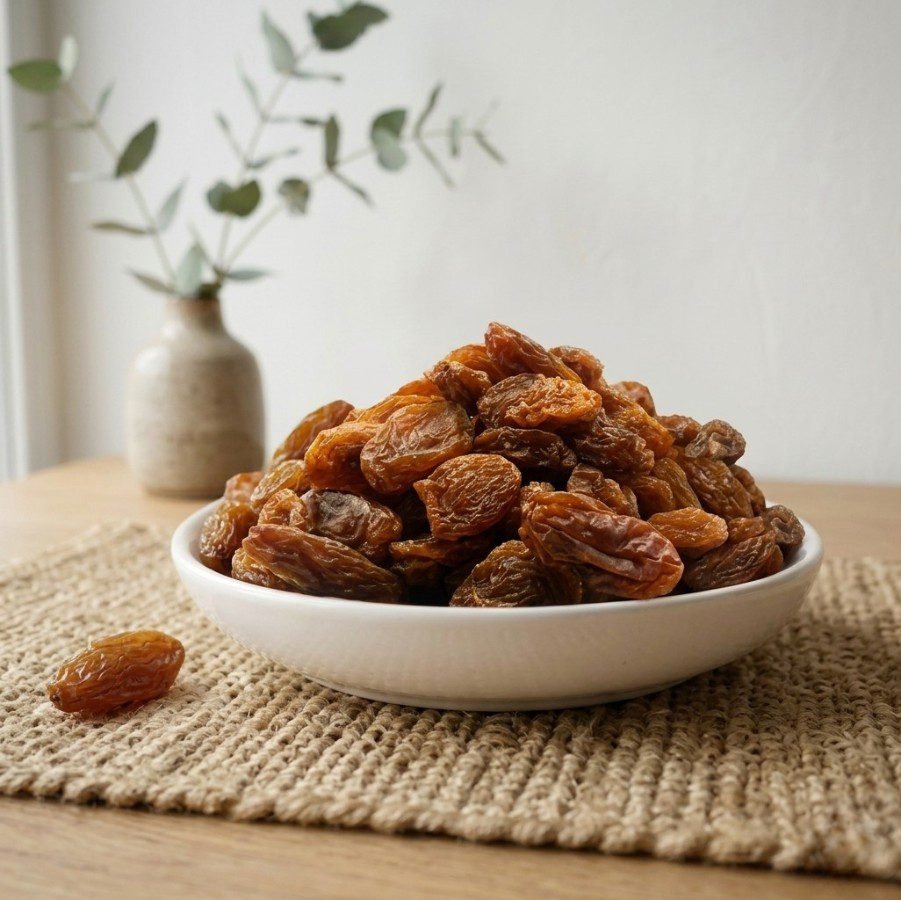
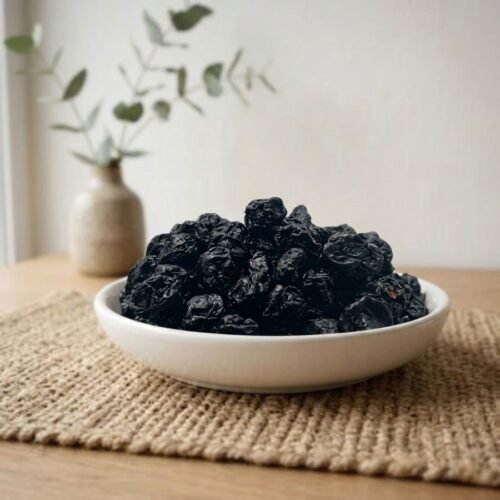
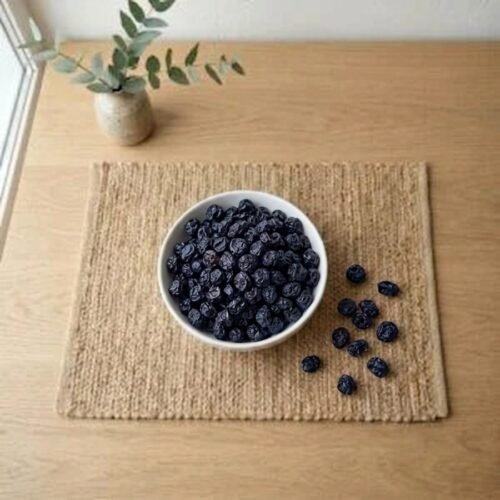
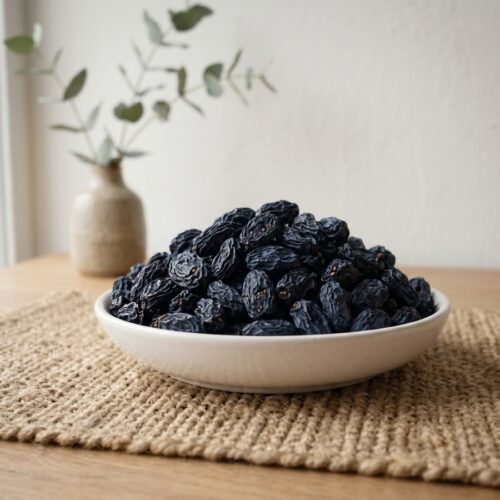
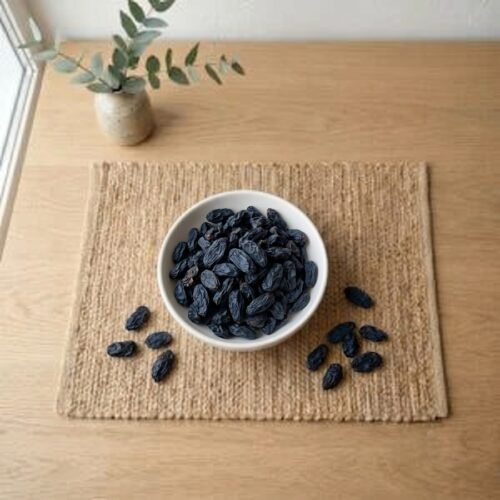
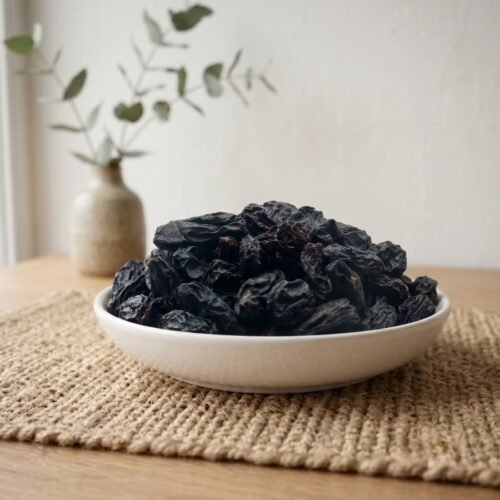
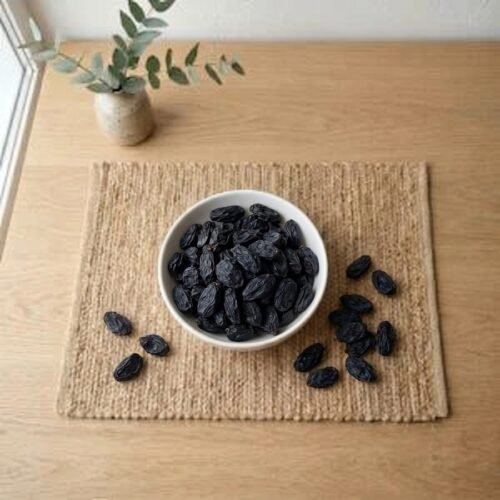
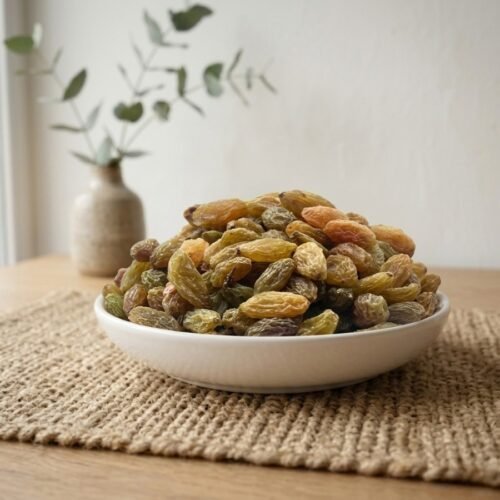
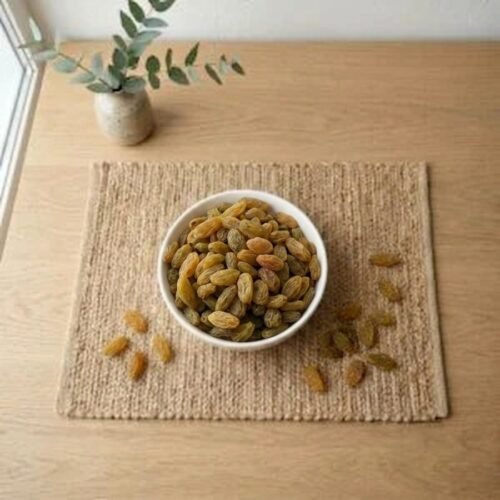
Munakka is the dry fruit that Ayurvedic medicine built entire treatment protocols around, while the rest of the world was busy discovering antioxidants and calling them new. These are not the small green raisins sitting in a baking cupboard. Black raisins without seeds from Munakka varieties are larger, darker, meatier, and carry an iron and glucose profile that makes them one of the more genuinely functional traditional dry fruits in any kitchen. Oasis Dry Fruits sources premium Munakka kernels because this is a fruit that has been doing serious nutritional work in Indian households for centuries and deserves sourcing that reflects that rather than undermines it.
What Munakka Does That Regular Raisins Simply Do Not
Iron Content That Actually Moves the Needle on Anemia Prevention
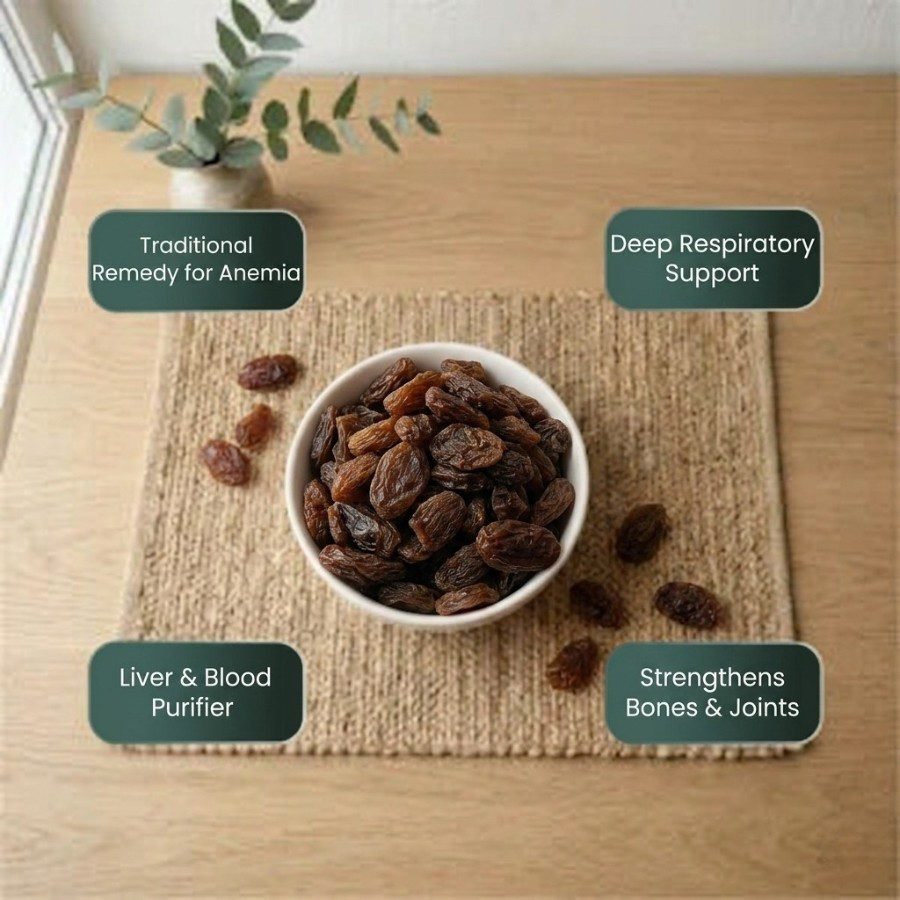
Munakka carries iron in concentrations that make anemia prevention through food a realistic daily habit rather than a hopeful gesture, particularly when eaten consistently on an empty stomach, where absorption is highest. The traditional practice of soaking Munakka overnight and eating it first thing in the morning exists because someone figured out the absorption timing long before anyone measured iron bioavailability in a laboratory.
Natural Energy That Lasts the Morning Without Crashing
Glucose and fructose in energy-boosting fruit like Indian Munakka deliver immediate energy, followed by sustained release through the fructose that prevents the spike and crash cycle that processed sugar alternatives produce without exception. Two soaked Munakka before breakfast fuels the first half of a working day in a way that most people notice within the first week of making it a habit.
Blood Building Through Iron and Copper Working Together
Copper in premium Munakka kernels assists the iron in forming hemoglobin more efficiently than iron alone achieves, a combination that traditional Ayurvedic medicine prescribed specifically for blood deficiency and that modern hematology confirms is the right pairing for red blood cell production.
Bone Strength Through Calcium and Boron
Boron in natural sweetness concentrated Munakka dry fruits India sourcing supports calcium absorption and bone density maintenance in a mechanism that most calcium conversations completely overlook. Eaten daily, it contributes to skeletal strength through a mineral combination that works better together than calcium supplementation alone.
Digestive Health Through Tartaric Acid Activity
Tartaric acid in seedless black raisins regulates gut pH and supports bowel regularity through a mechanism different from fiber alone, which is why soaked Munakka has been a traditional constipation remedy across Indian households for generations before anyone named the compound responsible.
Liver Cleansing Through Antioxidant Compounds
The polyphenols in traditional dry fruit like Munakka support liver enzyme activity and assist the detoxification process that the liver runs constantly against dietary and environmental toxin exposure. Soaked Munakka water consumed on an empty stomach is a specific traditional liver support remedy that holds up under nutritional scrutiny.
Heart Health Through Potassium and Fiber
Potassium in black raisins without seeds counterbalances sodium-driven blood pressure elevation, while the soluble fiber reduces dietary cholesterol absorption before it enters circulation. Two separate cardiovascular mechanisms through a daily portion that costs less and tastes better than most heart health supplements on the market.
Immunity Through Antioxidant Density
Resveratrol and polyphenols in premium Munakka kernels reduce oxidative cellular damage and support immune cell function through consistent dietary exposure. The dark color of quality Munakka is a reliable proxy for antioxidant concentration that lighter colored inferior products simply cannot match.
Nutritional Profile
| Nutritional Data | Per 100g | Per 250g Pack | Per 500g Pack |
| Energy | 299 kcal | 747.5 kcal | 1495 kcal |
| Carbohydrates | 79g | 197.5g | 395g |
| Dietary Fibre | 3.7g | 9.25g | 18.5g |
| Natural Sugars | 65g | 162.5g | 325g |
| Protein | 3.1g | 7.75g | 15.5g |
| Total Fat | 0.5g | 1.25g | 2.5g |
| Potassium | 749mg | 1872mg | 3745mg |
| Calcium | 50mg | 125mg | 250mg |
| Iron | 2.6mg | 6.5mg | 13mg |
| Magnesium | 32mg | 80mg | 160mg |
Approximate values based on the standard Vitis vinifera black raisin Munakka composition.
What the Munakka Market in India Is Actually Doing
Munakka is a traditional dry fruit with a name that carries weight in Ayurvedic medicine and enough consumer recognition that misrepresenting what is inside the packet is commercially straightforward and extremely common. Oasis Dry Fruits sources Munakka as a product that earns the traditional credibility rather than borrowing it.
- Genuine large-variety black raisin sourced for the deep color and flesh density that premium Munakka requires
- Seedless processing that removes seeds completely without leaving fragments that affect texture
- Deep purple-black color throughout every piece, confirming polyphenol and resveratrol content intact
- Plump, moist texture from proper storage rather than the shriveled dryness of old or poorly stored stock
- Zero artificial color, zero preservative coating, zero added sugar at any stage
- Sealed packaging maintains natural moisture content from dispatch through to your kitchen
- Short stock rotation keeps the natural sweetness and iron content in a condition that makes soaking effective
- Munakka price in Delhi and across India reflects genuine variety sourcing rather than a substitute product with premium labeling
How to Get the Most Out of These
Soaked Overnight, Eaten First Thing on an Empty Stomach
Eight to ten Munakka in a glass of water the night before, eaten with the soaking water the next morning, before anything else. This is the traditional method, and the timing is the point. Iron absorption on an empty stomach before food competes with it is measurably higher than absorption from the same fruit eaten mid-meal.
Soaking Water Drunk Separately
The water the Munakka soaked in overnight carries dissolved polyphenols and some of the iron content from the fruit. Drinking it before eating the Munakka itself, rather than discarding it, doubles the benefit from the same preparation. Most people who start doing this stop finding reasons not to continue.
In Warm Milk Before Bed
Four or five Munakka simmered briefly in warm milk is a traditional Indian preparation for energy, sleep quality, and general vitality that combines the iron from the fruit with the calcium from the milk in a pairing that makes both more effective than either alone.
Into Rice and Biryani Preparations
Whole Munakka added to rice during cooking or scattered through biryani layers adds bursts of natural sweetness that balance spice in a way that experienced cooks understand is non-negotiable in certain preparations. The sweetness is concentrated enough that a small number of pieces is distributed throughout the entire dish.
In Halwa and Traditional Sweets
Suji halwa, kheer, and sheer khurma all carry Munakka as a traditional component for the same reason they always have. The natural sweetness, the texture contrast, and the iron contribution make it a functional addition rather than just a garnish.
As a Standalone Snack for Energy Between Meals
Six to eight pieces mid-morning or mid-afternoon delivers the glucose-fructose energy combination that sustains through the next meal without the spike and drop of processed alternatives. The chew and concentrated sweetness make it satisfying in a quantity small enough to fit in a jacket pocket.
FAQs
What is the difference between Munakka and ordinary raisins?
Munakka is a larger black variety with higher iron content, more flesh, and a deeper polyphenol profile than the small green or golden raisins used in baking.
Why should Munakka be soaked before eating?
Soaking activates the iron and polyphenols into a more bioavailable form, and the soaking water itself carries nutrients worth consuming alongside the fruit.
How many Munakka should I eat daily?
Eight to ten soaked pieces daily on an empty stomach is the traditional quantity and aligns with what delivers meaningful iron and antioxidant intake without excessive sugar consumption.
Does Munakka genuinely help with anemia prevention?
The iron content, combined with copper that assists hemoglobin formation, makes consistent daily Munakka eating a genuinely useful dietary contribution to maintaining healthy iron levels.
How do I identify genuine premium Munakka from inferior substitutes?
Size, color depth, and flesh density are the three signals. Genuine Munakka is noticeably larger than standard raisins, deep purple-black rather than brown, and plump rather than shriveled.
Is Munakka suitable for diabetics?
In moderate amounts, soaked rather than dry, because soaking moderates the sugar release rate, but anyone managing diabetes should factor the natural sugar content into their overall daily carbohydrate intake.



Leave a Reply