

Description
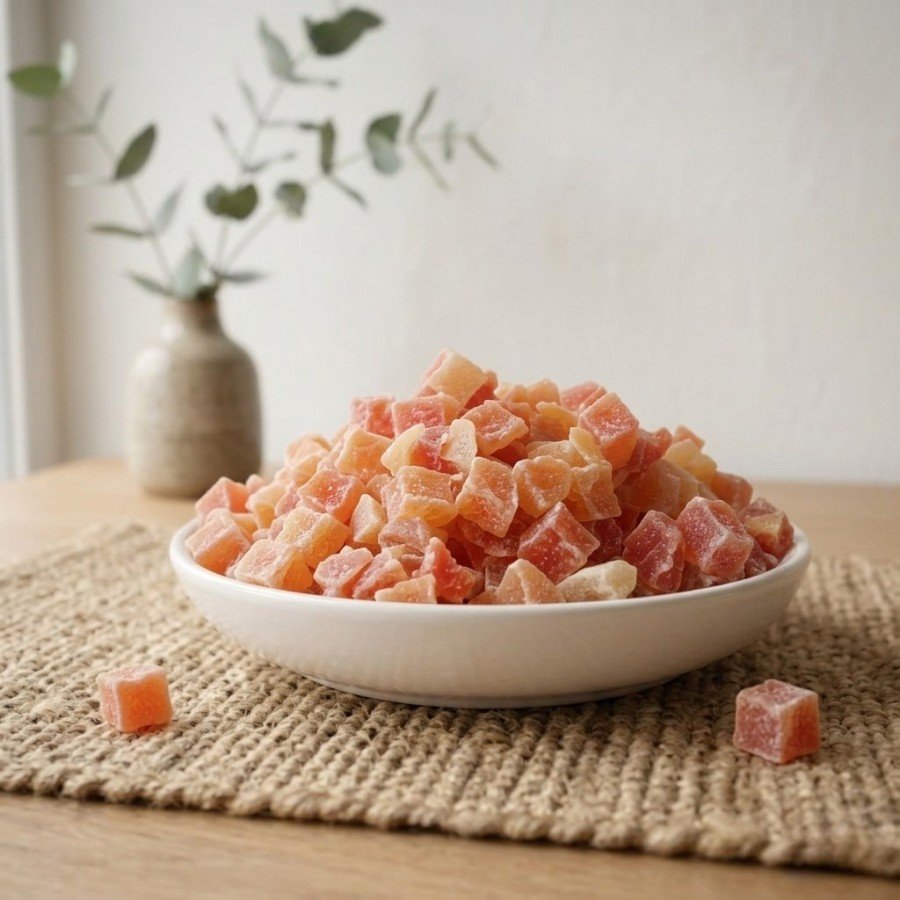
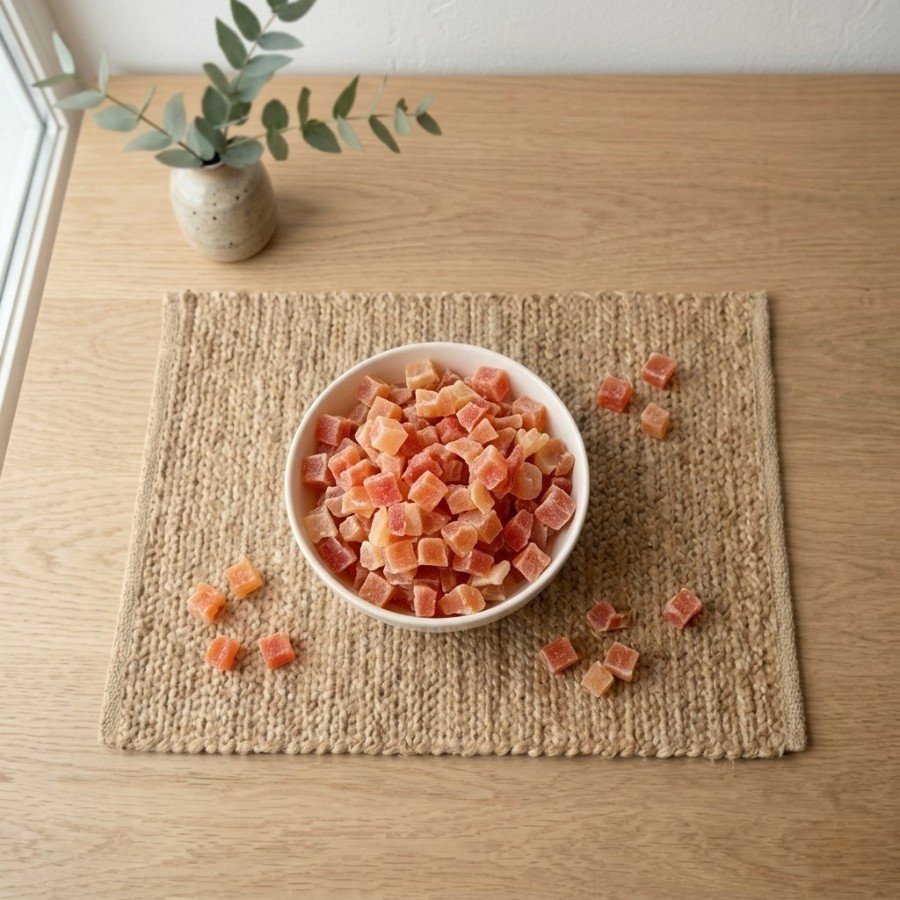
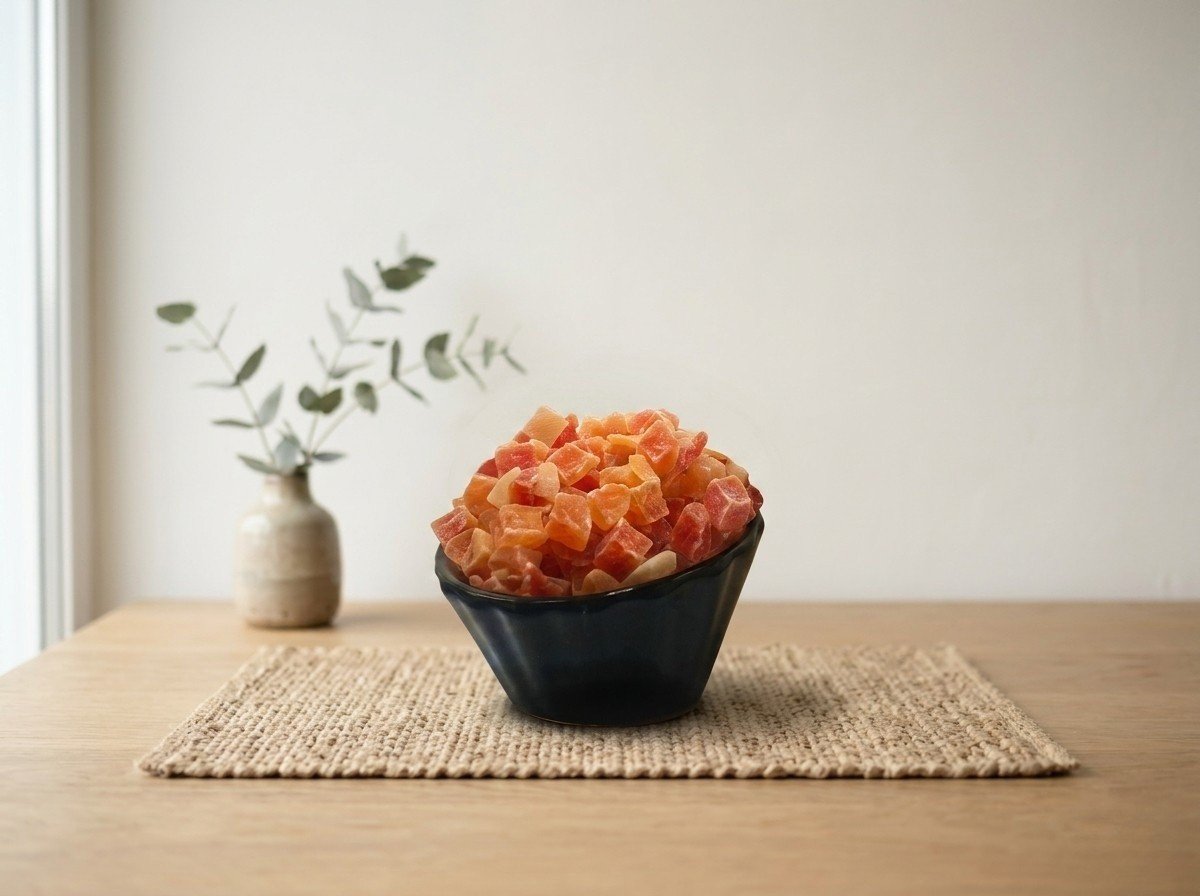
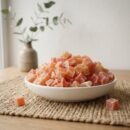
Fresh papaya splits people. Some love it, most tolerate it, and a fair number find it too mild to bother with. Dried papaya India tends to surprise the people who had already made up their mind about the fresh version because what happens when you remove the water is not what anyone expects. The sweetness concentrates. The chew develops. The tropical flavor that was hiding behind all that water finally shows up properly. Oasis Dry Fruits sources this without the sugar syrup and artificial dye that most of the market uses to make an average product look like a premium one.
What You Are Actually Eating When You Eat These
Papain. Nobody Talks About This Enough.
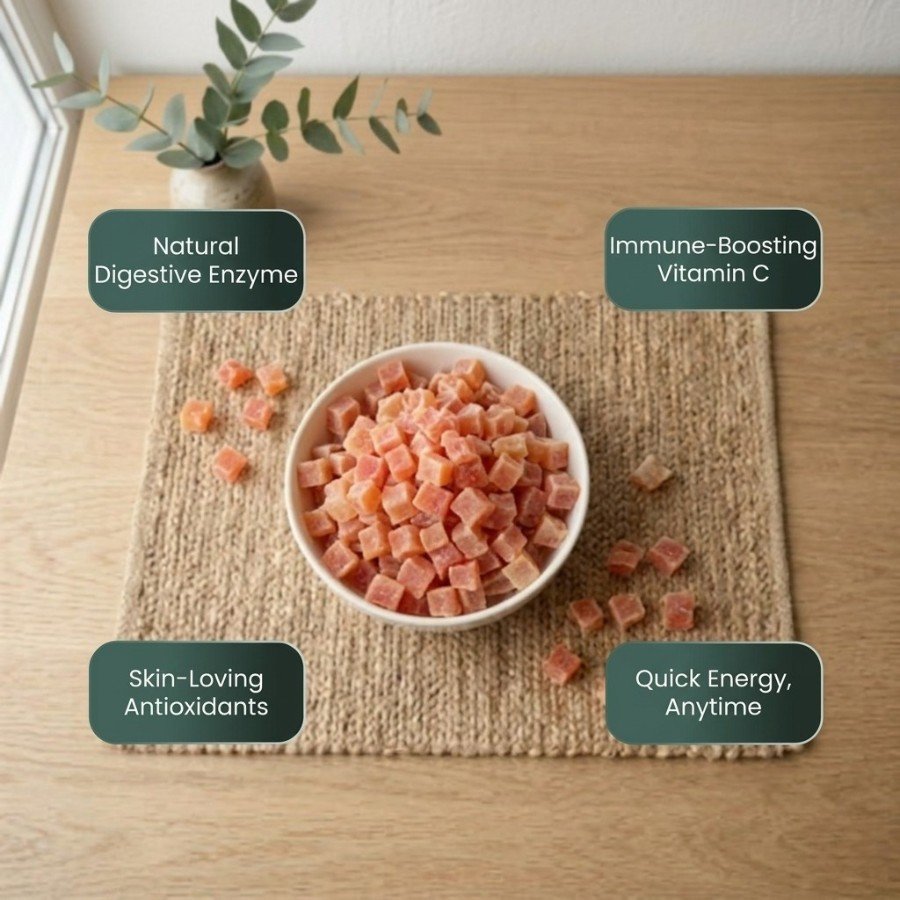
Papaya is the only fruit with papain in it. Full stop. Papain is a protein-digesting enzyme, and when it is present in dried papaya, it keeps breaking down dietary protein in your gut the same way it does in fresh fruit. Heavy meal, bloated afterward, digestive system struggling with the protein load. That is the exact situation Papain addresses. The catch is that it only survives drying if the temperature is kept low during processing. High heat kills it entirely. Most commercial dried papaya goes through high heat because it is faster and cheaper, and the enzyme cannot be seen or tasted, so nobody notices it is gone.
Vitamin C Is Either in There or It Isn’t
Same story as the enzyme. Vitamin C degrades with heat, and the amount that survives drying depends on how the drying was done. A product that was dried properly retains enough to support immune function, help with collagen production, and improve iron absorption from everything else you eat alongside it. A product that was dried fast and hot retains a fraction of that and puts the vitamin C claim on the label anyway because the claim refers to fresh papaya, and nobody is stopping them.
That Orange Color Is Supposed to Mean Something
Beta-carotene and lycopene give papaya its orange color in nature. Both are antioxidants. Both reduce cellular oxidative damage. Both do actual work in the body when they are present. When a company replaces them with artificial dye to maintain a uniform orange appearance after processing, the color looks the same in a photograph and does nothing in your body. Natural dried papaya has color variation. Some pieces are pale yellow. Some are deeper orange. None of them is the identical neon shade that artificial dye produces across an entire packet without a single piece varying.
Your Eyes Are Getting Something Here That Most Snacks Miss
Zeaxanthin and lutein accumulate in the retina specifically. They reduce the oxidative damage that decades of UV exposure and screen time cause to the part of your eye responsible for central vision. Most people do not think about this until something goes wrong. Eating dried papaya consistently is one of the simplest ways to address it well before that point.
Two Things Happening for Your Heart at Once
Soluble fiber grabs dietary cholesterol in the digestive tract before it enters circulation. Potassium pushes back against the sodium load that South Asian cooking carries across most meals. Neither of these is dramatic on its own. Both of them happen through a snack you eat daily because it tastes good, which is how nutritional habits actually work in practice.
The Sweetness Is Deceptive in a Good Way
Dried papaya tastes sweet enough that most people assume the blood sugar response is significant. The glycaemic index does not match the taste. The fiber slows glucose absorption enough to moderate the spike considerably. People managing energy stability through food choices who avoid dried fruit because the sugar number looks alarming are usually making that call based on taste rather than physiology.
Three Immune Compounds Showing Up Together
Vitamin C, beta-carotene, and flavonoids. Three separate mechanisms for supporting immune cell production and pathogen response. All three in the same piece of fruit. The combined effect is more useful than any single one alone, and it arrives through something that tastes like a tropical snack rather than a supplement.
Skin Has a Longer Conversation With What You Eat Than Most People Realize
Collagen production needs vitamin C. The oxidative breakdown of skin structure over the years responds to carotenoids. Both arrive here. Both work from the inside at a foundational level. The timeline is months, and the results look like aging more slowly rather than looking noticeably different after two weeks. Slower to show up than anything topical and more lasting when it does.
Nutritional Profile
| Nutritional Data | Per 100g | Per 250g Pack | Per 500g Pack |
| Energy | 275 kcal | 687.5 kcal | 1375 kcal |
| Carbohydrates | 73g | 182.5g | 365g |
| Dietary Fibre | 5.8g | 14.5g | 29g |
| Natural Sugars | 55g | 137.5g | 275g |
| Protein | 1.5g | 3.75g | 7.5g |
| Total Fat | 0.4g | 1g | 2g |
| Potassium | 748mg | 1870mg | 3740mg |
| Calcium | 55mg | 137.5mg | 275mg |
| Vitamin C | 71mg | 177.5mg | 355mg |
| Beta-Carotene | 274mcg | 685mcg | 1370mcg |
Approximate values based on Carica papaya dried at low temperature. Actual vitamin C and enzyme content vary with processing method.
The Honest Situation in the Dried Papaya Market
Most of what is sold as dried papaya in India is closer to candy than fruit, and the ingredient list is where that truth lives if you are willing to read it.
Here is what Oasis dry fruits does differently and why it produces a different product.
- Low temperature drying that keeps papain enzyme activity and vitamin C from degrading during processing
- No sugar syrup soaking, so the sweetness is from the fruit rather than from glucose added to compensate for a mediocre base product
- Color variation within each pack that tells you beta-carotene is present rather than replaced
- No artificial color, no preservative, no flavor enhancement at any point in production
- Sealed packaging that protects beta-carotene and vitamin C from light degradation between packing and your kitchen
- An ingredient list that reads like fruit rather than a confectionery formulation
- Sourcing from suppliers who treat drying temperature as a quality variable rather than a cost optimization opportunity
- Pricing that reflects actual fruit production rather than candy manufacturing, dressed as a premium health snack
How to Eat These
Mid-Afternoon, Straight From the Pack
When energy drops, the nearest processed option starts looking reasonable. A small handful takes ten seconds, and the tropical sweetness and chew are satisfying enough that the experience does not feel like a compromise or a health decision. It just tastes good.
Into Trail Mix
Papaya pieces with cashews, macadamia nuts, and coconut flakes. The tropical combination works without needing explanation. Looks and tastes like something deliberately assembled rather than randomly mixed.
Stirred Into Yogurt the Night Before
Roughly chop and mix into Greek yogurt before refrigerating. Papain starts working on the yogurt protein overnight. By morning, the combination has a depth neither component achieves separately. Worth doing for the flavor alone, even before considering the enzyme benefit.
Into Smoothies Invisibly
Four or five pieces into a mango or coconut water base. Blends completely smooth, adds sweetness, fiber, and vitamin C without changing the drink in any way that requires explanation to whoever is drinking it.
After Training
Papain-digesting protein post-workout and vitamin C supporting collagen repair from exercise stress are both genuinely useful at this moment. The snack timing and the nutritional benefit align without requiring any planning beyond remembering to bring some.
In Baking
Chopped into coconut muffins or tropical granola bars, where the flavor belongs naturally rather than competing with anything else in the recipe.
FAQs
Why does commercial dried papaya taste so much sweeter than this?
Sugar syrup soaking during processing is almost always the answer. It standardizes sweetness across batches and extends shelf life. Natural dried papaya without syrup treatment tastes of fruit rather than of sugar, doing the sweetness work.
Does the papain enzyme survive drying?
At low temperatures, yes. At high processing temperatures, no. The drying method is the variable that determines the answer, and most commercial products use high heat because it is faster, regardless of what it does to the enzyme.
How do I identify artificial color in dried papaya?
Every piece is identical neon orange with no variation across the entire packet. Natural dried papaya has lighter and darker pieces because the fruit is not uniform, and drying is not a perfectly controlled process that produces identical color every time.
Is it suitable for children?
Yes, from one year onwards. Tropical sweetness makes it one of the easier, nutritious snacks to get children to accept without negotiation, and the vitamin C is genuinely useful for developing immune systems.
What is the difference between papaya chips and natural dried papaya pieces?
Papaya chips are usually sliced thin, fried or baked until crisp, and often heavily salted or seasoned. Natural dried papaya pieces retain the chewy texture of the fruit, the enzyme activity, and the vitamin C content that chip processing methods do not preserve.

Leave a Reply