
Your cart is empty
You may check out all the available products and buy some in the shop
Return to shop


In Stock
Price range: ₹200 through ₹38517% OFF
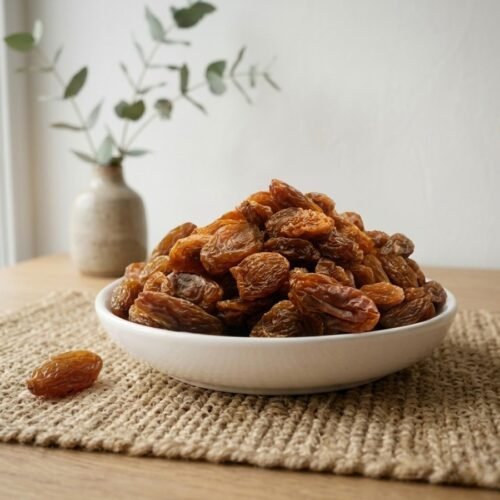
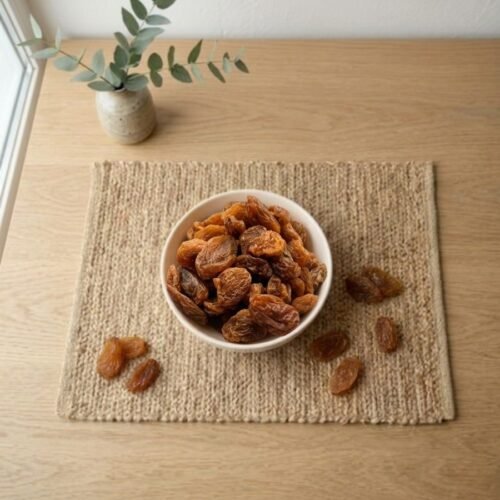
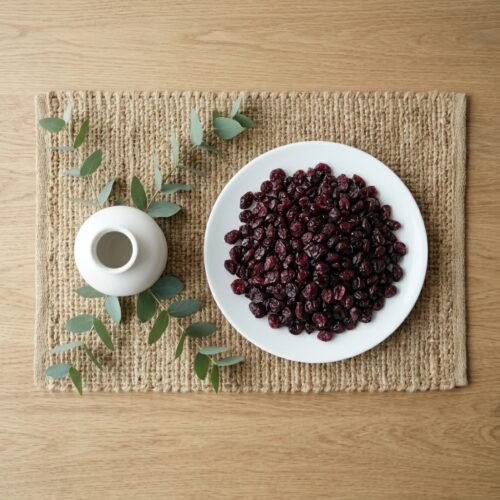
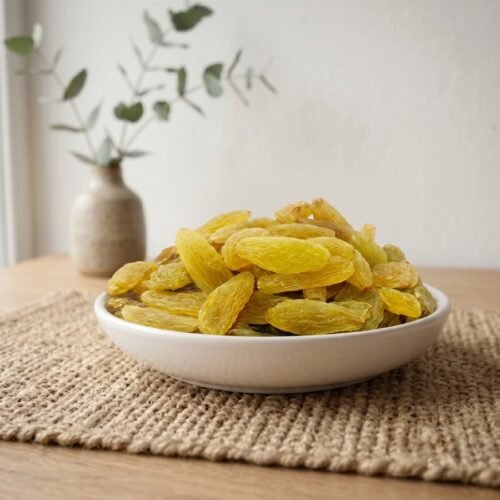
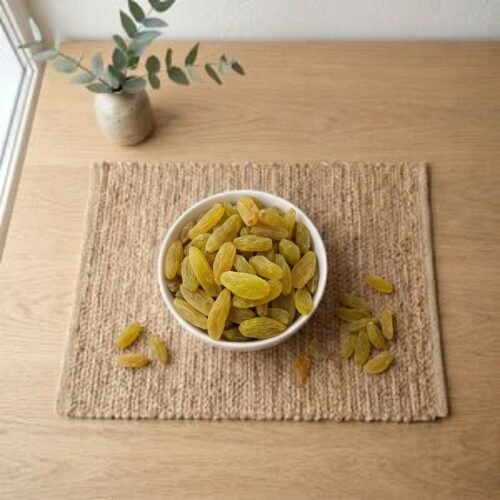
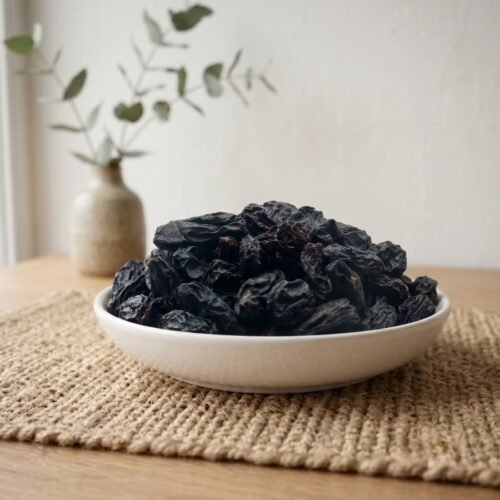
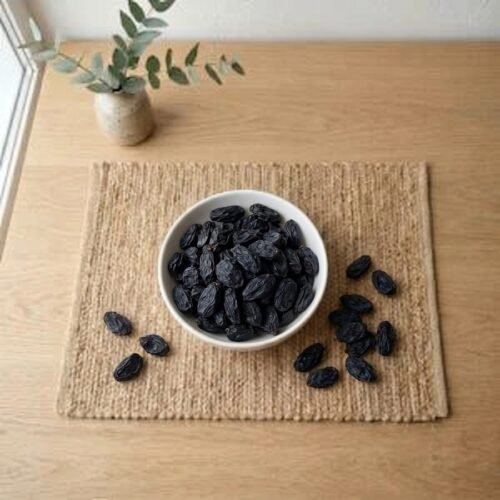
Someone at some point decided that removing the seed from a raisin was an improvement, and the market went along with it without anyone stopping to ask what was being lost in the process. The seed is not an inconvenience that needs solving. It is part of the fruit; it contributes fiber and antioxidant compounds that the flesh alone does not supply, and the chew it creates is the reason people who grew up eating traditional seeded kishmish find the seedless version slightly unsatisfying in a way they cannot always articulate. Oasis Dry Fruits sources black raisins with seeds because this is what raisins were before processing decided convenience and nutrition were the same thing.

Someone at some point decided that removing the seed from a raisin was an improvement, and the market went along with it without anyone stopping to ask what was being lost in the process. The seed is not an inconvenience that needs solving. It is part of the fruit; it contributes fiber and antioxidant compounds that the flesh alone does not supply, and the chew it creates is the reason people who grew up eating traditional seeded kishmish find the seedless version slightly unsatisfying in a way they cannot always articulate. Oasis Dry Fruits sources black raisins with seeds because this is what raisins were before processing decided convenience and nutrition were the same thing.
Grape seeds contain oligomeric proanthocyanidins. That is a complicated name for antioxidant compounds that are completely absent from seedless raisins because the seed was removed before they could contribute anything. These compounds reduce cellular oxidative damage through a mechanism that the fruit flesh addresses separately, which means seeded kishmish is giving you two antioxidant sources where seedless gives you one. Nobody putting seedless raisins in premium packaging is going to tell you that.
The practice of soaking black raisins overnight and eating them on an empty stomach first thing in the morning is not a tradition for its own sake. Iron absorption before food enters the picture is measurably higher than mid-meal absorption. The communities across India and Central Asia who developed this habit were working with accurate observations about how their bodies responded to it long before anyone had the language to explain the mechanism. Ten to twelve seeded kishmish soaked overnight and eaten with the soaking water is still the most effective way to use this fruit for iron intake.
Dark colored fruit carries resveratrol in the skin. Seeded varieties carry additional resveratrol from the seed coat. Both sources together produce a concentration that pale varieties and seedless dark varieties approach separately but do not match combined. Resveratrol works on cellular oxidative damage over months of consistent intake rather than producing anything noticeable in a week, which is why it never gets the marketing attention it deserves and why the people who know about it are the ones who kept eating these quietly while everyone else switched to seedless.
The seed adds insoluble fiber that changes how this fruit moves through the digestive tract. Not dramatically. Not urgently. Just more consistently and more completely than the same quantity of seedless raisins does. People who switch from seedless to seeded and notice their digestion becoming more predictable over two weeks are noticing this, and most of them attribute it to something else because nobody told them the seed was the variable that changed.
South Asian cooking runs sodium high. Almost every meal. Almost every day. Potassium counterbalances that, and seeded black raisins deliver it in amounts that accumulate meaningfully when the habit is consistent. Blood pressure responds to months of daily potassium from food differently than it responds to a supplement taken inconsistently because the body recognizes the food form and uses it more efficiently than most supplement forms deliver it.
The prebiotic activity in organic kishmish with seeds comes from polyphenols in the flesh feeding beneficial gut bacteria and polyphenols from the seed, adding to that activity rather than duplicating it. Two separate compound profiles feed the same bacteria through slightly different pathways. Three weeks of consistent daily eating produce shifts in gut bacterial populations that show up as digestive changes most people notice without knowing what caused them.
Glucose arrives first, and fructose follows more slowly. The seed’s fiber content slows the overall glucose release rate on top of that. Three things are moderating the energy delivery so that what you feel thirty minutes after eating seeded kishmish is still happening ninety minutes later, rather than having peaked and dropped back to nothing. That is the actual mechanism behind why raisins as pre-activity fuel have been used across South Asian athletic and labor traditions for longer than sports nutrition existed as a category.
| Nutritional Data | Per 100g | Per 250g Pack | Per 500g Pack |
| Energy | 296 kcal | 740 kcal | 1480 kcal |
| Carbohydrates | 78g | 195g | 390g |
| Dietary Fibre | 4.5g | 11.25g | 22.5g |
| Natural Sugars | 64g | 160g | 320g |
| Protein | 3.1g | 7.75g | 15.5g |
| Total Fat | 0.5g | 1.25g | 2.5g |
| Potassium | 749mg | 1872mg | 3745mg |
| Calcium | 50mg | 125mg | 250mg |
| Iron | 2.6mg | 6.5mg | 13mg |
| Magnesium | 35mg | 87.5mg | 175mg |
Approximate values based on Vitis vinifera-seeded black raisin composition. Fiber values include seed contribution.
Seeded black raisins are a shrinking product in a market that moved toward seedless for processing reasons and never looked back. The processing industry made a convenience argument, and the retail industry followed it because seedless is easier to pack, easier to photograph, and easier to sell without explaining anything to anyone. The seeded variety got repositioned as the traditional option, which is true, and then treated as the inferior option, which is not. Oasis dry fruits sources seeded black raisins, the way the product deserves to be sourced.
Ten to twelve in water before bed. Eat them with the soaking water first thing before anything else enters the picture. The iron absorption timing is the point. The polyphenols in the soaking water are worth drinking rather than discarding. This is the one preparation method where the sequence matters, and most people who do it consistently for a month stop looking for a reason to continue.
Four or five in warm milk for two minutes. A preparation that appears across South Asian and Middle Eastern household medicine in enough independent variations to confirm that multiple cultures arrived at the same conclusion about this combination without borrowing it from each other.
Whole seeded kishmish scattered through rice layers adds a chew that seedless raisins cannot provide because the seed creates resistance that the flesh alone does not. People who cook biryani with seeded variety and then use seedless notice something went flat in the dish, even when they cannot immediately identify what.
Thirty seconds in warm ghee before adding to suji or carrot halwa. The seed holds through gentle heat in a way that seedless raisins dissolve away from. The texture contribution to the finished dish is the difference between a garnish and an ingredient.
Five or six chew slowly after eating as a digestive and mouth freshener. The tradition of ending meals with raisins across Indian hospitality has a reasoning behind it, that the antioxidant and digestive compounds in the seed support biochemically.
Seeded kishmish alongside almonds and pistachios, where the slight resistance of the seed adds a dimension that seedless raisins collapse away from in the same mix.
Processing economics drove the market toward seedless produce because it is cheaper to produce, easier to pack, and requires no consumer education to sell. The seeded variety survived as a traditional product rather than as a mainstream one.
Significantly. Overnight soaking softens both the fruit and the seed enough that the texture becomes comfortable rather than intrusive, and the soaking water becomes worth drinking rather than discarding.
Different products. Munakka is a specific large variety used in Ayurvedic prescriptions. Seeded black kishmish is the traditional small grape raisin with the seed intact. Both carry seed-derived compounds absent from seedless alternatives.
Ten to twelve soaked overnight. Consistency across weeks matters more than the exact number on any given day.
Dark varieties carry higher antioxidant concentrations from skin and seed compounds that pale varieties do not develop, and proper drying to maintain the dark color and plump texture costs more than fast commercial processing.
| Weight | N/A |
|---|---|
| Dimensions | N/A |
| Brand | Oasis |
| Department | Dry Fruit |
| Weight | 250 gm, 500 gm |


Sold out

Sold out

Sold out
Sold out

Select at least 2 products
to compare
Leave a Reply