


Description
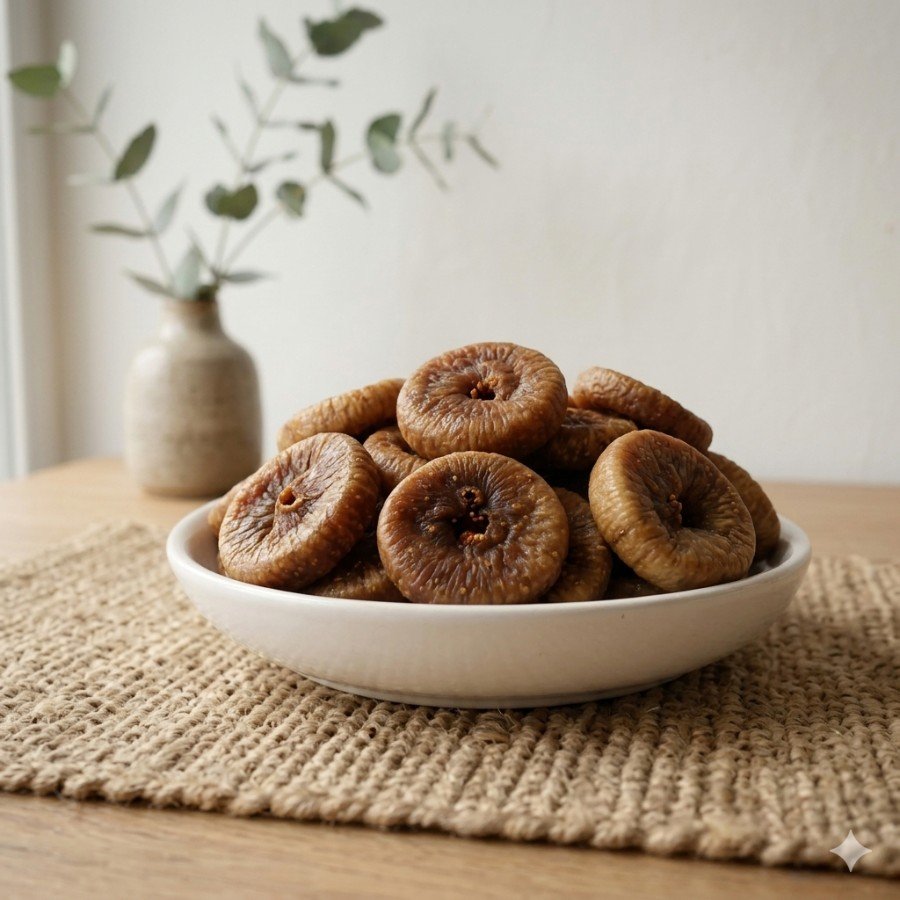
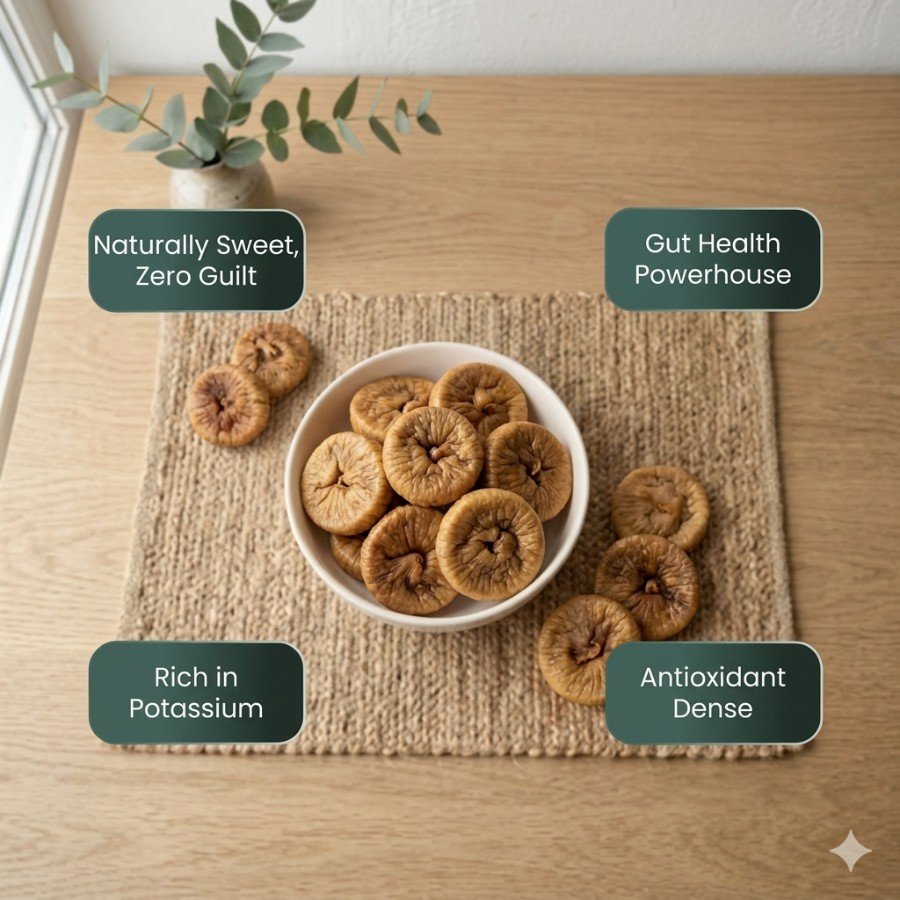
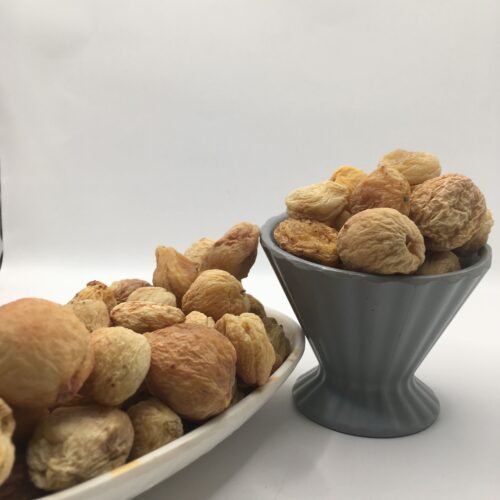
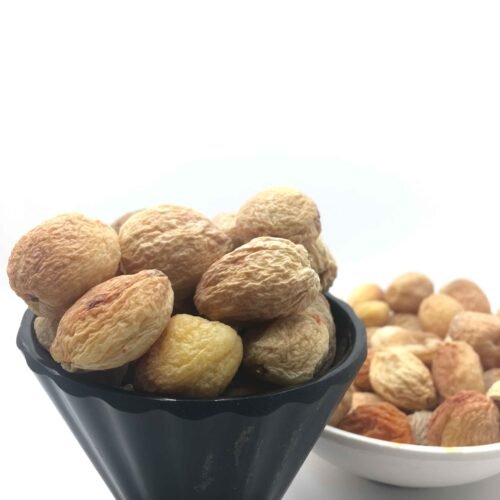
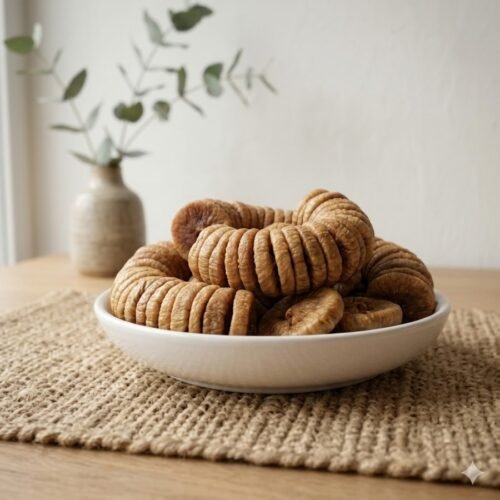
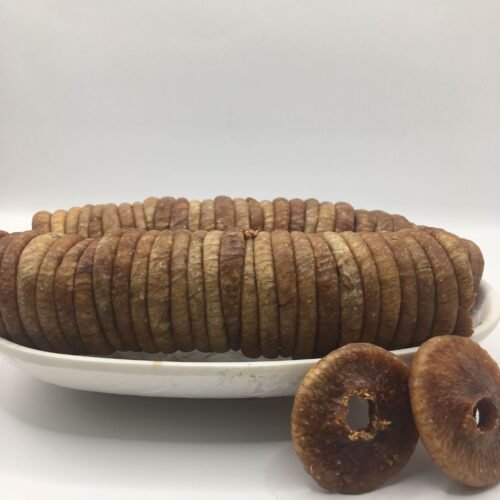
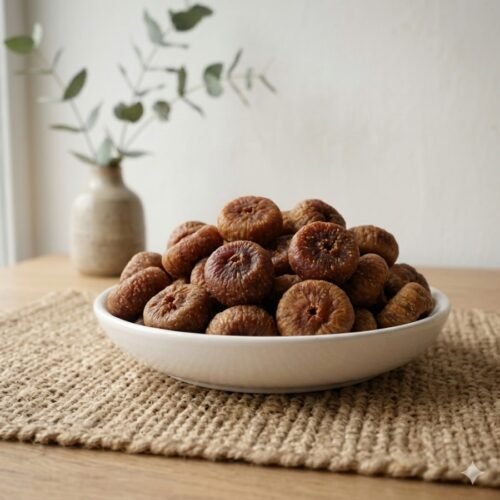
The fig conversation in India almost always starts and ends with size, as though a smaller fig is a lesser fig rather than a different one with its own case for being in your kitchen. Anjeer choti size has a chewiness and a concentrated bite that larger grades do not produce, a more intense sweetness built from less water and more fruit per mouthful, and a price that makes eating them every single day something you do without calculating whether you can afford the habit. Oasis Dry Fruits sources these as a regular, small fig that is worth eating, not a grade that exists because something did not qualify for a better label.
What Goes On Inside When You Eat These
The Skin-to-Flesh Ratio Works in Your Favor Here
Smaller fig fruits carry proportionally more skin than larger grades, and fig skin is where insoluble fiber is most concentrated. Four compact figs eaten daily delivers a fiber contribution that holds up against larger grades consumed in smaller numbers, through a format that costs less and does the same digestive work without asking you to spend more to get it.
Bone Minerals Do Not Scale Down With the Fig Size
Per gram of fruit, the calcium, magnesium, and vitamin K in standard small-size figs track consistently with any larger grade from the same harvest. The mineral combination that makes dried figs genuinely useful for bone health is present regardless of how large the individual fruit is, which means the health case for eating budget-friendly figs daily is exactly as strong as it is for the premium grades that cost considerably more.
The Sweetness Is Denser Because the Water Is Lower
Economical figs with lower individual water content concentrate their natural sugars more intensely than a larger fruit, where the sweetness is distributed across more flesh. Three small figs eaten as a snack register as sweeter and more satisfying than the number implies because each bite delivers more flavor per gram than a larger, less concentrated fig does.
Glycaemic Response Is More Forgiving Than the Label Suggests
Soluble fiber in dried figs, small pack options, slows the rate at which glucose enters the bloodstream after eating, which means the blood sugar story told by the natural sugar number on the back of the packet is more alarming than the actual physiological response to eating a few figs as a snack. Affordable dried figs, Indian buyers managing energy stability through food choices, are making a smarter decision than the carbohydrate number initially implies.
Iron Absorption Problem Gets Solved in the Same Bite
Smaller fig fruits contain iron alongside vitamin C in a natural combination that addresses the absorption barrier that makes plant-based iron frustrating to rely on without deliberate pairing. Both nutrients arrive together without any planning required, which is the kind of nutritional convenience that most plant iron sources do not offer without external intervention.
Potassium Running Quietly in the Background
Regularly eating small figs daily contributes potassium that counterbalances the sodium load in most South Asian meals without anyone actively managing the exchange. It happens through the snack, through the breakfast addition, through however these figs end up in the daily eating pattern, and the blood pressure benefit accumulates over months without requiring a separate decision to pursue it.
Polyphenols Present in Numbers Worth Taking Seriously
Chlorogenic acid and rutin in properly dried compact figs are doing antioxidant work on cellular oxidative damage from daily environmental and dietary stress in concentrations that hold up when the drying process is handled correctly. The size of the fig does not determine whether these compounds are present. The quality of the sourcing and drying does.
Gut Microbiome Shifts Come From Consistency, Not from Size
Beneficial gut bacteria respond to the prebiotic compounds in figs through consistent exposure over weeks rather than large individual doses. Standard small-sized anjeer eaten every day produces microbiome changes that expensive larger grades eaten occasionally never reach because the variable that drives the outcome is showing up daily, and affordable figs make showing up daily realistic.
Nutritional Profile
| Nutritional Data | Per 100g | Per 250g Pack | Per 500g Pack |
| Energy | 249 kcal | 622.5 kcal | 1245 kcal |
| Carbohydrates | 63g | 157.5g | 315g |
| Dietary Fibre | 9.8g | 24.5g | 49g |
| Natural Sugars | 47g | 117.5g | 235g |
| Protein | 3.3g | 8.25g | 16.5g |
| Total Fat | 0.9g | 2.25g | 4.5g |
| Potassium | 680mg | 1700mg | 3400mg |
| Calcium | 162mg | 405mg | 810mg |
| Iron | 2.0mg | 5mg | 10mg |
| Magnesium | 68mg | 170mg | 340mg |
Approximate values based on standard Ficus carica regular small grade dried fig composition.
The Market Reality for This Grade and Why It Matters
Small dried figs online is a search that returns genuinely good products and genuinely bad products sitting next to each other in results, with almost nothing visible to distinguish between them until the packet arrives.
Oasis dry fruits sources small dried figs as a grade worth eating rather than a price point worth filling.
- Regular small figs sourced from quality harvests, where small size reflects natural variety, not rejection from larger grades
- Soft interior that yields to gentle pressure, confirming moisture content was managed correctly through drying
- Natural deep amber color showing phenolic compounds survived the drying process without heat damage
- Consistent whole figs throughout, rather than broken fragments padded in to make up the declared weight
- Nothing added at any stage, no glucose syrup, no preservative, no artificial color or flavor
- Sealed packaging that matters more for this grade than larger ones, because smaller figs lose moisture faster once air gets in
- Short rotation stock, so what arrived was not sitting in a warm warehouse through the wrong season
- Small dried figs online pricing that reflects sourcing quality at this grade, rather than the floor of whatever the market will accept
How to Actually Use These Day-to-Day
Four or Five Straight From the Pack, Mid-Morning
The concentrated sweetness in compact figs means this quantity satisfies the craving that sends most people toward something packaged. Fiber holds energy stable afterward, rather than spiking and dropping it the way processed alternatives do. Nothing to prepare, nothing to plan.
Overnight in Water, Morning on an Empty Stomach
Five small figs in a glass of water the night before. Drink the soaking water and eat the rehydrated figs first thing. Properly dried small-sized anjeer becomes almost fresh-fig soft overnight. The digestive effect throughout the morning is gradual and comfortable rather than abrupt.
Into Oatmeal, Where the Small Size Distributes Better
Six or seven chopped roughly and stirred into overnight oats before refrigerating. The small size means fig flavor reaches every spoonful rather than concentrating around the spots where a large piece happened to fall. Genuinely more suited to this application than larger grades that dominate individual bites.
In Trail Mix That Actually Works
Small size anjeer mixed with cashews, pumpkin seeds, and a few dark chocolate chips. The compact dimensions mix and eat alongside other components naturally, without the awkwardness of biting a large fig in half mid-handful. This is one application where a small grade is functionally better than a larger.
Blended Into Morning Smoothies
Three or four into a banana or oat base smoothie. They blend completely smooth at this size, add natural sweetness, fiber, and depth without changing what the smoothie tastes like in a way that needs explaining to anyone drinking it.
In Baked Goods, Where Even Distribution Matters
Chopped into cookie dough, banana bread batter, or muffin mix. Smaller pieces distribute through the batter more evenly than larger figs that create concentrated pockets of sweetness in some bites and none in others. Standard small-size figs are arguably the most useful fig grade for baking.
FAQs
Are small dried figs the same nutritional value as larger ones?
Per gram, the profile is comparable when the drying is handled correctly. What changes with size is flesh density and polyphenol accumulation from tree time, not whether the core minerals and fiber are present.
Why do some small dried figs taste bland while others are sweet?
Old stock and poor storage are almost always the cause. A properly dried small fig from a quality harvest concentrates sweetness because of lower water content. Flat or tasteless figs have either been sitting too long or have been dried too aggressively during processing.
How many small figs should I eat daily?
Four to five consistently every day. The consistency across weeks is what produces the digestive and gut microbiome outcomes. Eating ten one day and none for three days does not replicate what four daily for three weeks does.
Is Anjeer choti size suitable for children?
Yes, for children above one year of age. The soft texture after soaking makes it easier for younger children to eat, and the natural sweetness makes acceptance easier than most other nutritious snack options at this price point.
How do I tell if the small figs I ordered are fresh?
Squeeze one before eating. Fresh, properly dried compact figs yield to gentle pressure and have a soft interior. Hard figs that resist pressure and smell faintly stale have been stored incorrectly or for too long.
Can I use small dried figs in cooking the same way larger ones are used?
Yes, and in some applications like distributing through baked goods or mixing into grain salads, the smaller size actually performs better than larger grades that create uneven flavor distribution.













Leave a Reply