

Description
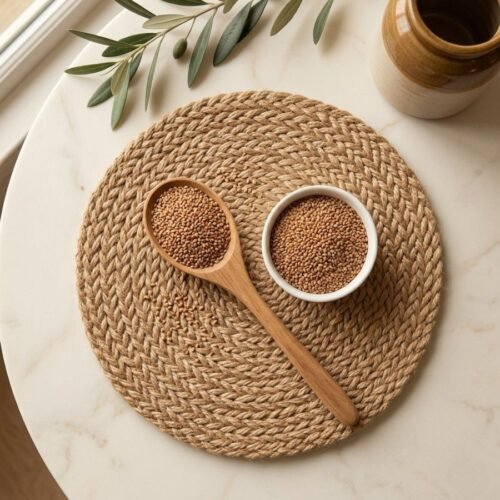
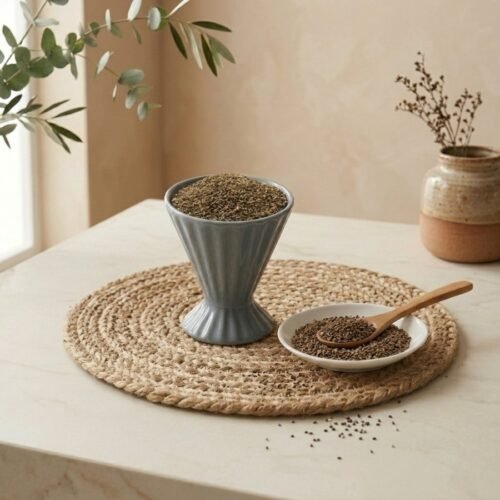
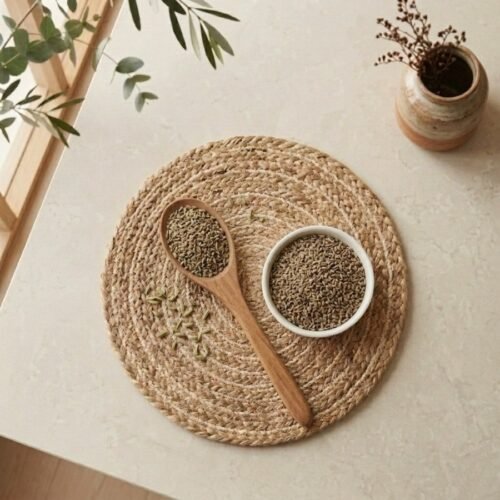
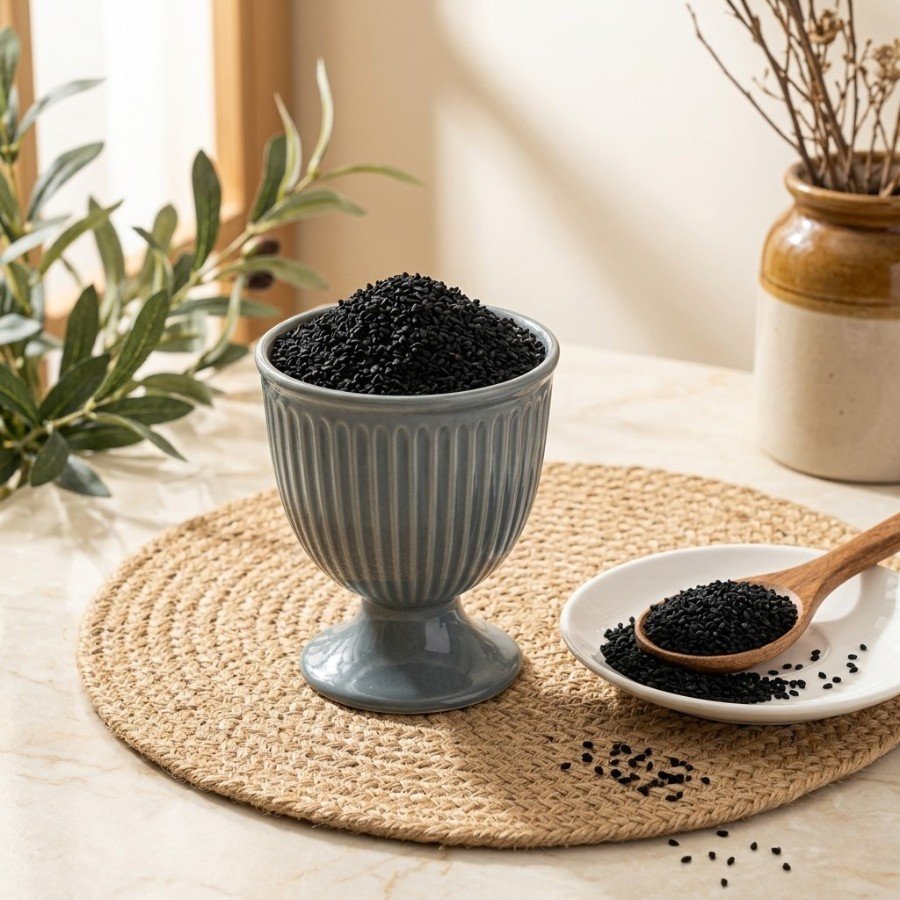
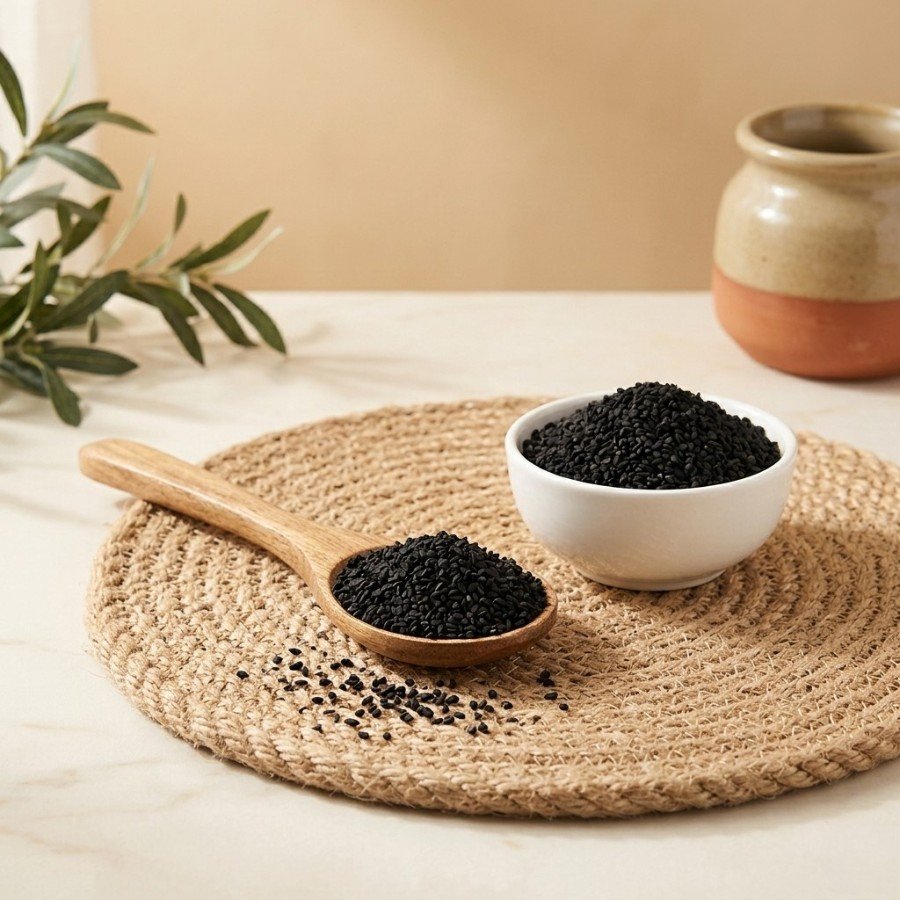
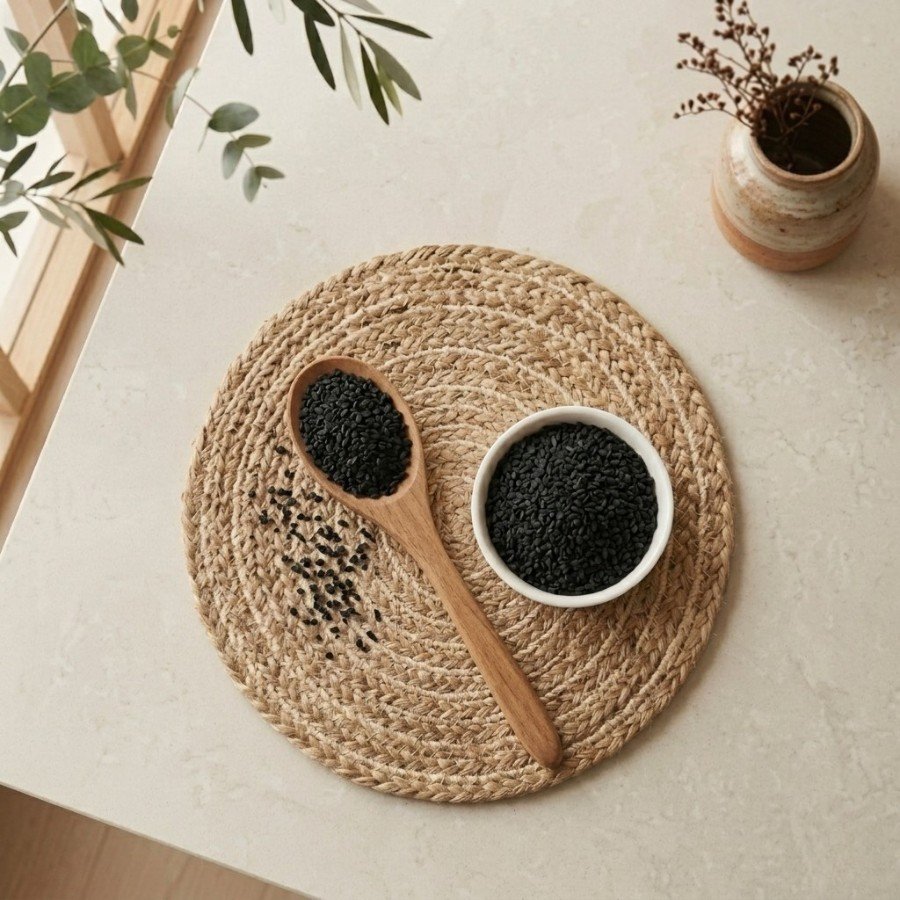
Kalonji is the seed that appears in the hadith, in Ayurvedic texts, in Ibn Sina’s Canon of Medicine, and on the paratha your mother made without any of those references being the reason she used it. She used it because it tasted right and because somewhere in the inherited knowledge of the kitchen, it was understood that this seed did something useful beyond flavor. What it does is carry thymoquinone, one of the more extensively studied bioactive compounds in any culinary seed, through a digestive system that responds to it across multiple systems simultaneously. Oasis Dry Fruits sources premium kalonji because black seeds with this depth of documented traditional and modern research deserve sourcing that keeps the thymoquinone intact rather than depleted, before the packet reaches anyone.
What This Seed Does
Immune Support Through Thymoquinone Activity That Research Keeps Confirming
Thymoquinone in organic kalonji stimulates natural killer cell activity and modulates immune response through a mechanism that independent research across multiple decades keeps finding consistent results on. Immune-boosting seeds like kalonji work through a specific compound rather than through general antioxidant activity.
Anti-Inflammatory Action That Addresses the Root Rather Than the Symptom
Thymoquinone inhibits inflammatory signaling pathways, including NF-kB, in a way that reduces systemic inflammation at the mechanism level rather than masking it from the surface. Anti-inflammatory seeds like nigella produce this effect through consistent dietary exposure over weeks rather than from a single dose.
Respiratory Relief With Specific Research Behind It
Thymoquinone in natural black seeds has been studied specifically for asthma and allergic respiratory conditions, with findings consistent enough to appear in clinical dietary recommendations rather than only in traditional medicine texts. The bronchodilatory activity supports breathing through a mechanism distinct from antihistamine action.
Blood Sugar Management Through Insulin-Sensitizing Compounds
Health benefit seeds like kalonji improve insulin receptor sensitivity and moderate post-meal glucose absorption through consistent dietary exposure. The research on Nigella seeds and blood sugar regulation is specific enough to make daily culinary use a genuine dietary intervention for anyone managing glucose through food.
Liver Protection Through Antioxidant Compound Activity
Thymoquinone specifically protects liver cells from oxidative stress and supports detoxification enzyme activity in a way that makes traditional kalonji use for liver health one of the more biochemically defensible traditional applications in the entire culinary seed category.
Heart Health Through Cholesterol and Blood Pressure Together
Antioxidant seeds like kalonji reduce LDL oxidation and support blood pressure regulation through thymoquinone activity on both the vascular and lipid metabolism systems simultaneously, rather than addressing one cardiovascular mechanism in isolation.
Memory and Cognitive Function Through Neuroprotective Activity
Thymoquinone has been studied for neuroprotective properties and cognitive support through anti-inflammatory activity in brain tissue specifically. Traditional recommendations for kalonji in cognitive health have a biochemical basis that modern neuroscience research keeps adding evidence to.
Skin and Hair Health Through Antioxidant and Antimicrobial Activity
Thymoquinone reduces oxidative damage to skin cells, and the antimicrobial properties of aromatic spice seeds like kalonji address scalp and skin conditions through consistent internal intake in ways that complement the topical applications that most kalonji skin discussions focus on exclusively.
Nutritional Profile
| Nutritional Data | Per 100g | Per 100g Pack | Per 250g Pack |
| Energy | 375 kcal | 375 kcal | 937 kcal |
| Carbohydrates | 44g | 44g | 110g |
| Dietary Fibre | 11g | 11g | 27.5g |
| Protein | 18g | 18g | 45g |
| Total Fat | 22g | 22g | 55g |
| Potassium | 1694mg | 1694mg | 4235mg |
| Calcium | 931mg | 931mg | 2327mg |
| Iron | 66mg | 66mg | 165mg |
| Magnesium | 366mg | 366mg | 915mg |
| Thymoquinone | 0.4–2.5% | — | — |
Approximate values based on standard Nigella sativa dried seed composition.
What Is Actually Happening in This Market
Kalonji has a substitution problem that is more serious than most seed categories face because the seed that gets substituted for it looks nearly identical, and the buyers who would notice the difference are the minority rather than the majority in the Indian market.
Oasis Dry Fruits sources kalonji with botanical clarity and thymoquinone integrity that makes the traditional and research-backed applications accurate rather than aspirational.
- Genuine Nigella sativa with botanical identity confirmed, rather than visually similar substitutes relabeled
- Fresh harvest sourcing with thymoquinone volatile oil content intact from drying through dispatch
- Sharp, pungent, slightly bitter aroma when the pack opens, confirming thymoquinone is present at a meaningful concentration
- Deep matte black seed color with no browning or fading, confirming fresh harvest and proper storage
- Zero adulteration with black cumin or other visually similar seeds mixed to fill volume
- Sealed packaging keeps volatile oil content from degrading between packing and the kitchen
- Short rotation stock because thymoquinone-dependent therapeutic value declines with storage time and temperature
- Kalonji seeds online India pricing reflecting genuine Nigella sativa quality rather than substituted alternative at authentic pricing
How to Use These
In Naan and Paratha Dough Pressed Into the Surface
The most immediately recognizable culinary application. Kalonji pressed into naan before baking delivers the pungent bitter note that defines the bread and simultaneously ensures the thymoquinone is consumed through the daily flatbread habit without requiring a separate health preparation.
In Tadka for Dal and Vegetables
Added to hot oil at the tempering stage alongside mustard seeds and curry leaves, where the volatile oils release immediately into the fat and distribute through the entire preparation. Standard across Bengali, Odisha, and North Indian cooking traditions.
Kalonji Water or Honey Preparation for Daily Therapeutic Use
Half a teaspoon of seeds with warm water and honey on an empty stomach in the morning. The most direct traditional preparation for immune support, blood sugar management, and the general therapeutic use that traditional medicine across multiple cultures prescribed kalonji for, without requiring cooking.
In Pickle and Achaar Preparations
Whole kalonji scattered through mango, lime, and mixed vegetable pickles, where the seeds contribute both flavor complexity and the natural antimicrobial activity that supports the preservation environment alongside salt and oil.
In Paneer and Cheese Preparations
Scattered through homemade paneer or cottage cheese during preparation, where the bitter pungent note of kalonji contrasts the mild dairy base in a way that elevates the preparation from simple to considered without any additional complexity required.
On Bread and Crackers Before Baking
Pressed onto the surface of homemade bread, crackers, or lavash before baking, where the seeds toast gently during baking and deliver the pungent aromatic note that makes the finished product taste like something was decided rather than defaulted to.
FAQs
Is kalonji the same as black cumin seeds?
No. Kalonji is Nigella sativa, and black cumin is Bunium persicum. They look similar and are frequently confused in Indian markets, but carry different compounds, different thymoquinone content, and have different traditional applications in Ayurvedic and Islamic medicine traditions.
How do I know if my kalonji is fresh and genuinely Nigella sativa?
Crush a few seeds between your fingers and smell. Genuine fresh kalonji releases a sharp, pungent, slightly bitter aroma with a faint oregano-like quality. A mild or flat smell indicates either old stock or a substituted seed variety.
How much kalonji should I use daily for health benefits?
Half a teaspoon to one teaspoon daily, whether through cooking or direct consumption, covers the therapeutic range suggested by traditional and research-based recommendations without exceeding what digestive comfort allows.
Is kalonji safe during pregnancy?
Culinary amounts in cooking are generally considered safe. Therapeutic doses are traditionally avoided during pregnancy due to uterine-stimulating activity at concentrated amounts. Pregnant women should discuss kalonji consumption beyond culinary amounts with their doctor.
Can kalonji genuinely help with immunity and inflammation?
The research on thymoquinone is specific and consistent across independent studies rather than a single sponsored finding. The immune and anti-inflammatory mechanisms are documented at the cellular level rather than inferred from general antioxidant activity.


Leave a Reply