

Description
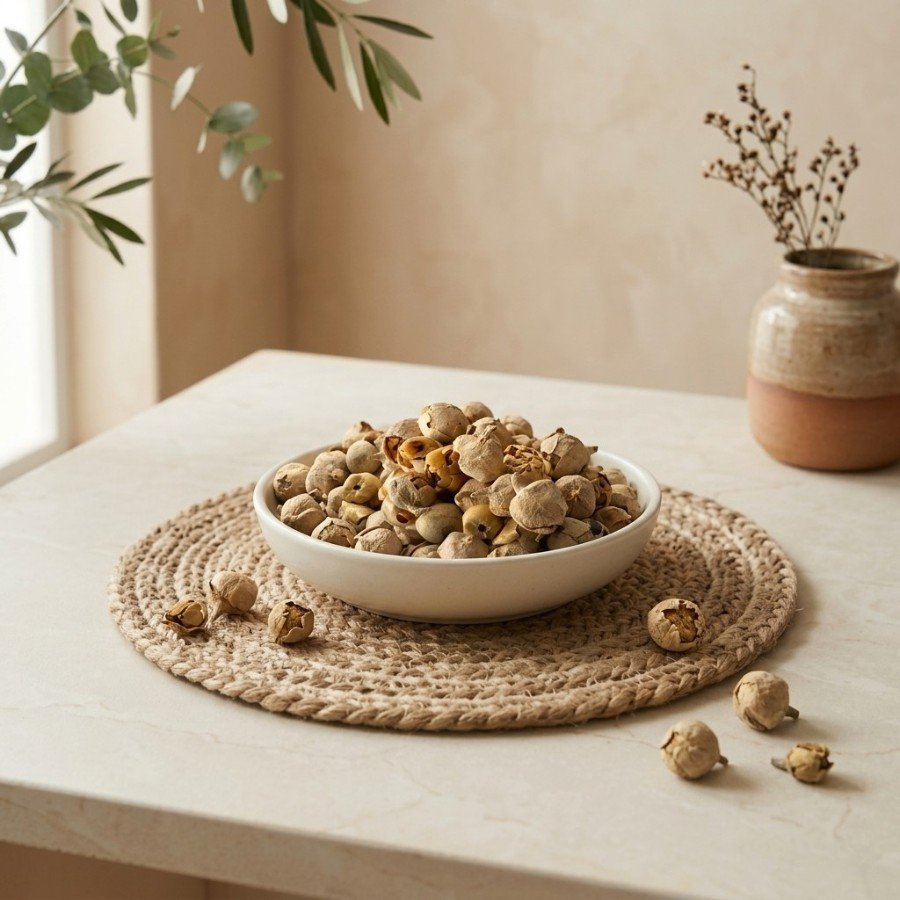
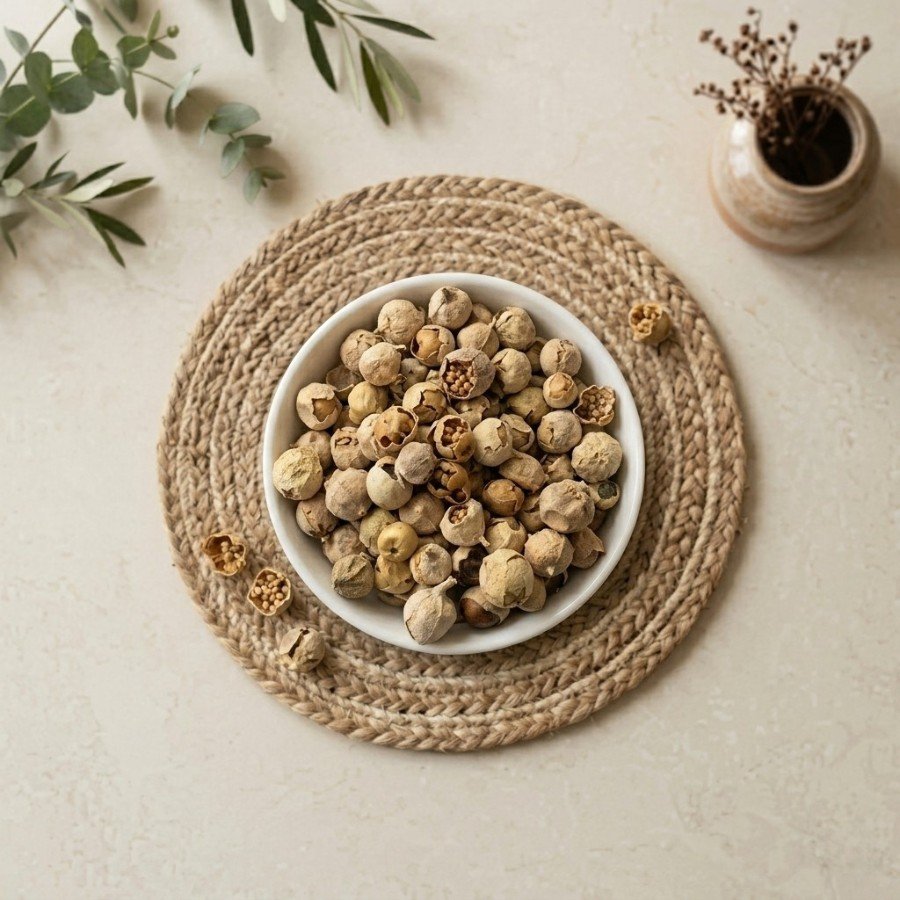
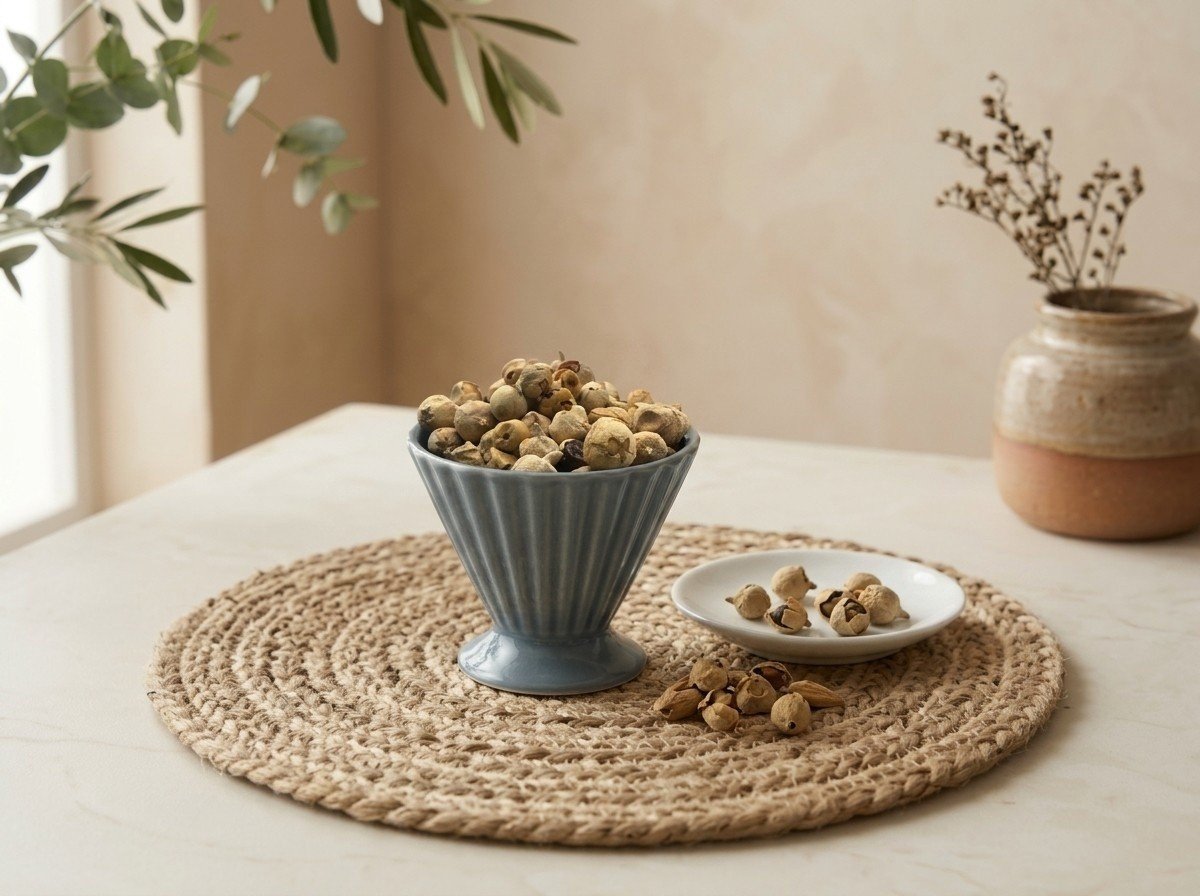
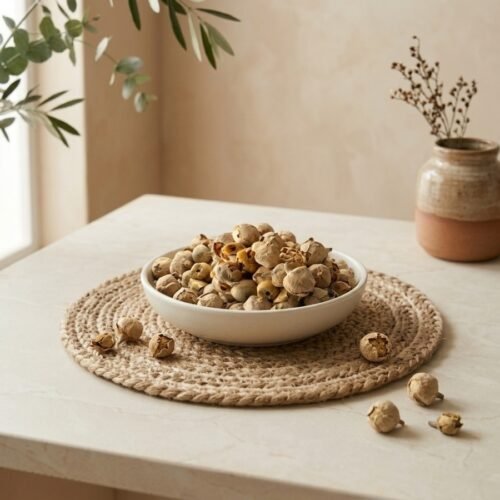
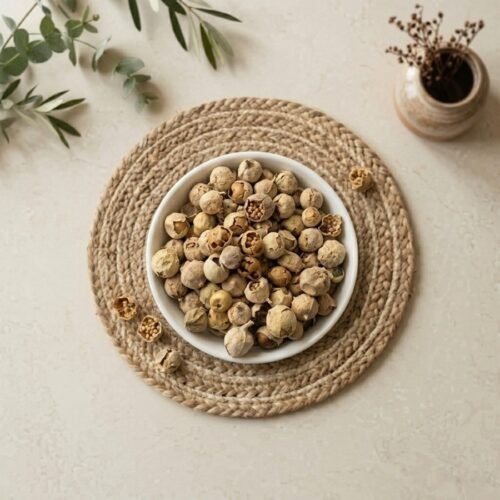
Paneer Phool is the herb that most urban Indian buyers have heard about through Ayurvedic contexts without ever having seen what it looks like or understood what it actually does. Small dried flower buds from the Withania coagulans plant, related to ashwagandha but carrying distinct applications, are used across Rajasthan and Gujarat in traditional cheese making, blood sugar management, and digestive support long before any of those applications appeared in a wellness product catalogue. Oasis Dry Fruits sources authentic Indian herb paneer phool because regional ingredients with this depth of documented traditional use deserve to reach buyers without the quality compromises that commodity handling applies to ingredients most suppliers have never examined carefully.
What This Herb Does
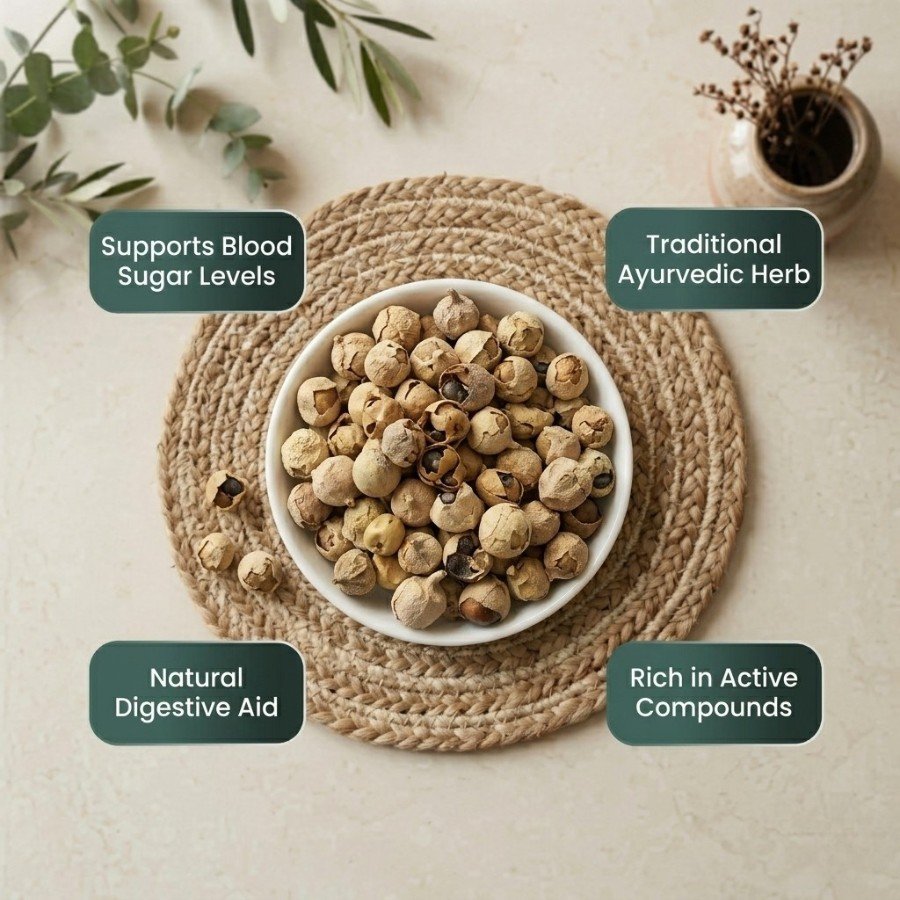
Blood Sugar Management Through Withanolide Activity Specific to This Plant
Withanolides in natural paneer flowers have been studied specifically for insulin-sensitizing activity and post-meal glucose moderation through mechanisms that make daily paneer phool tea a genuine dietary intervention for blood sugar management rather than a hopeful traditional habit.
Digestive Enzyme Stimulation Through Proteolytic Compounds
The proteolytic enzymes in the traditional Indian herb paneer phool that curdle milk work on dietary protein digestion in the stomach through the same mechanism, reducing the incomplete protein breakdown that contributes to bloating and digestive sluggishness after protein-heavy meals.
Liver Support Through Antioxidant Compounds Specific to Withania
Ayurvedic herb paneer phool carries antioxidant withanolides that support liver enzyme activity and reduce hepatic oxidative stress through a mechanism similar to but distinct from ashwagandha, making traditional recommendations for paneer phool in liver health biochemically defensible.
Anti-Inflammatory Action Through Consistent Dietary Exposure
The steroidal lactones in the health benefit herb paneer phool reduce systemic inflammatory signaling through withanolide activity that accumulates over weeks of consistent tea consumption, rather than producing anything noticeable from a single cup.
Cholesterol Management Through Saponin Activity
Saponins in medicinal flower paneer phool bind to bile acids and reduce cholesterol reabsorption through a mechanism similar to fenugreek saponins, making traditional blood lipid management recommendations for this herb biochemically grounded rather than anecdotal.
Thyroid Support Through Compounds That Withania Carries
Traditional remedy applications of paneer phool for thyroid health reflect withanolide activity on thyroid hormone conversion that the broader Withania plant family carries, making this a specific application worth understanding for anyone managing thyroid function through dietary means alongside medical treatment.
Immune Support Through Adaptogenic Activity
The adaptogenic compounds in the herbal supplement paneer phool support immune resilience through stress hormone modulation in a way consistent with the broader Withania family’s documented adaptogenic properties, though the specific withanolide profile differs from that of ashwagandha root.
Respiratory Comfort Through Traditional Application
Regional ingredient paneer phool has traditional applications for respiratory comfort and seasonal allergy management across Rajasthani folk medicine through anti-inflammatory and antihistamine-like activity that the withanolide compounds support biochemically.
Nutritional Profile
| Nutritional Data | Per 100g | Per 50g Pack | Per 100g Pack |
| Energy | 290 kcal | 145 kcal | 290 kcal |
| Carbohydrates | 48g | 24g | 48g |
| Dietary Fibre | 18g | 9g | 18g |
| Protein | 12g | 6g | 12g |
| Total Fat | 3g | 1.5g | 3g |
| Potassium | 410mg | 205mg | 410mg |
| Calcium | 180mg | 90mg | 180mg |
| Iron | 4.2mg | 2.1mg | 4.2mg |
| Magnesium | 65mg | 32.5mg | 65mg |
| Withanolides | 0.5–2% | — | — |
Approximate values based on the standard Withania coagulans dried flower bud composition.
What the Market Is Actually Doing With This Ingredient
Paneer phool sits in a corner of the Indian herbal market where regional knowledge and urban availability have not yet connected properly, which creates quality problems on both sides of that gap. Oasis Dry Fruit sources paneer phool with the freshness and handling that keeps withanolide content intact.
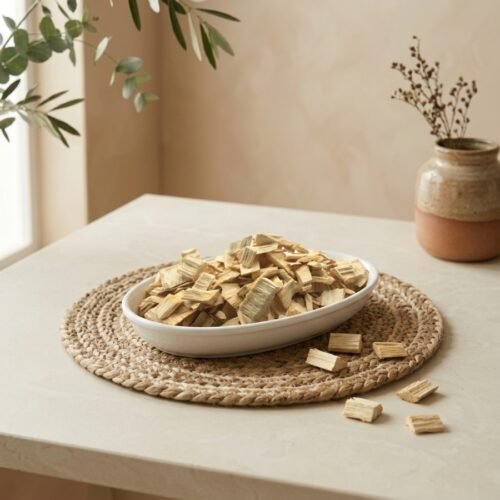
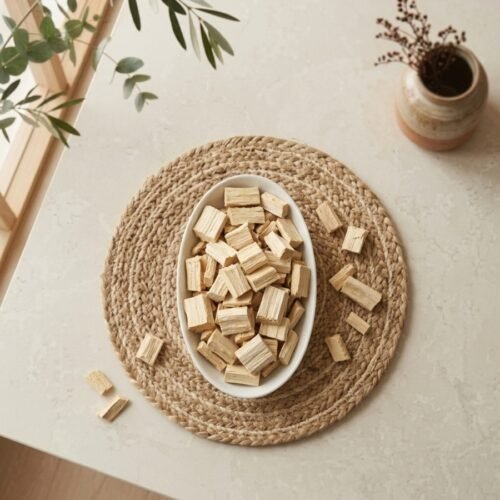
- Fresh harvest dried flower buds with withanolide content protected through low-temperature drying
- Natural pale yellow to light brown flower color without excessive darkening from heat exposure
- Characteristic mild earthy floral aroma when the pack opens, confirming volatile compounds present
- Whole intact flower buds, rather than crushed fragments, that lose surface compound integrity faster
- Zero adulteration with other dried flowers or cheaper Withania plant material
- Sealed opaque packaging protects withanolide and volatile compound content from light and humidity
- Short rotation stock because withanolide content declines with storage time and temperature in a way that therapeutic applications reveal
- Paneer phool online India pricing reflecting fresh genuine Withania coagulans quality rather than old stock at authentic herb positioning
How to Use These
Paneer Phool Tea for Daily Blood Sugar Management
One teaspoon of dried flower buds steeped in boiling water for ten to fifteen minutes, strained, and drunk warm before meals. The most direct traditional application for blood sugar management and the preparation that traditional use in Rajasthan and Gujarat was built around, rather than the culinary cheese-making use that gave the herb its name.
Milk Curdling for Traditional Paneer
A tablespoon of dried flowers is soaked in warm water for thirty minutes, the strained liquid is added to warm milk, and left undisturbed for twenty to thirty minutes until the milk curdles into a soft cheese. The traditional preparation that produces a distinctly flavored paneer that acid curdling never replicates.
In Kadha for Digestive and Immune Support
Paneer phool alongside ginger, black pepper, and tulsi in the traditional Indian kadha preparation for digestive comfort and seasonal immune support. The withanolide contribution from paneer phool adds adaptogenic activity to the general antimicrobial and digestive benefits of the other ingredients.
Infused in Warm Milk Before Bed
Flower buds steeped in warm milk for ten minutes, strained, and drunk before sleeping. A traditional preparation for general vitality, digestive comfort, and the mild sleep-supporting effect that Withania family herbs carry through stress hormone modulation.
Ground and Added to Atta for Flatbread
A small amount of ground paneer phool worked into whole wheat dough before making roti delivers the digestive enzyme activity through the daily flatbread habit without requiring any separate therapeutic preparation. Used this way in some traditional Rajasthani cooking without the therapeutic intent being explicitly stated.
In Herbal Churna Blends
Combined with triphala, methi, and other traditional herbs in a morning churna preparation for blood sugar, digestive, and liver support through the combined activity of multiple traditional remedy herbs working through different but complementary mechanisms.
FAQs
What exactly is Paneer Phool, and what plant does it come from?
Dried flower buds from Withania coagulans, a plant in the same family as ashwagandha, native to Rajasthan, Gujarat, and parts of Pakistan, are used traditionally for milk curdling, blood sugar management, and digestive support across northwestern Indian traditional medicine.
How is Paneer Phool different from ashwagandha?
Both come from the Withania plant family, but Withania coagulans flowers carry a different withanolide profile from the Withania somnifera root that ashwagandha products use. The applications overlap in adaptogenic and anti-inflammatory activity but diverge in the milk-curdling and blood sugar-specific properties that paneer phool carries distinctly.
How do I know if the Paneer Phool I received is fresh?
Smell the pack when it opens. Fresh paneer phool has a mild characteristic earthy, floral scent. Examine the color. Fresh dried flowers are pale yellow to light brown without significant darkening. Very dark brown or odorless flowers have been through conditions that degraded the active compounds.
Can Paneer Phool genuinely help with blood sugar management?
The withanolide research on Withania coagulans for insulin-sensitizing activity is specific enough to appear in Ayurvedic clinical research rather than only in traditional practice documentation. Consistent daily tea consumption is the delivery method that produces the outcomes described.
Is Paneer Phool safe during pregnancy?
Traditional Ayurvedic practice does not recommend Withania family herbs during pregnancy as a general category of caution. Anyone pregnant should discuss paneer phool use with their doctor before continuing, regardless of the application.




Leave a Reply