


Description
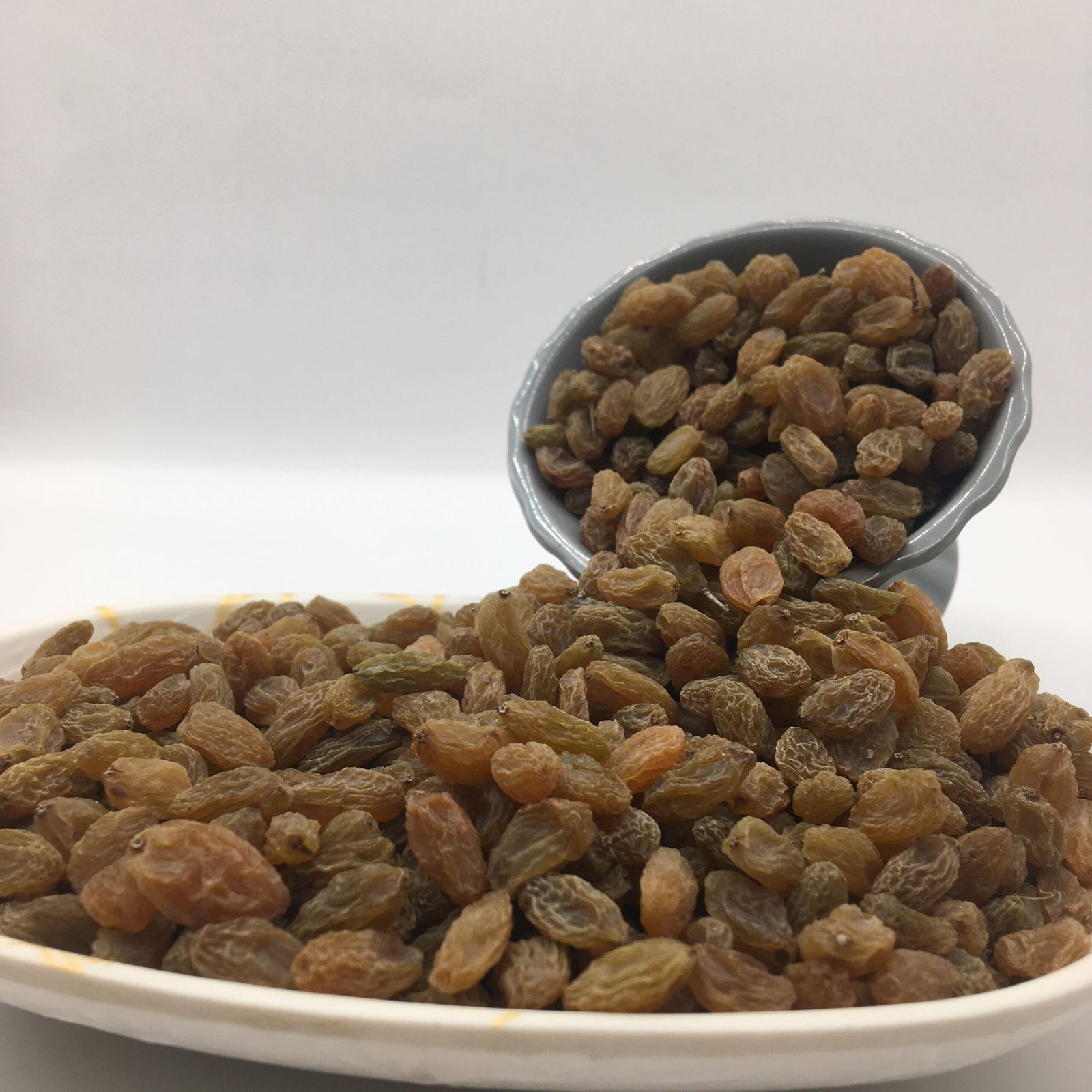
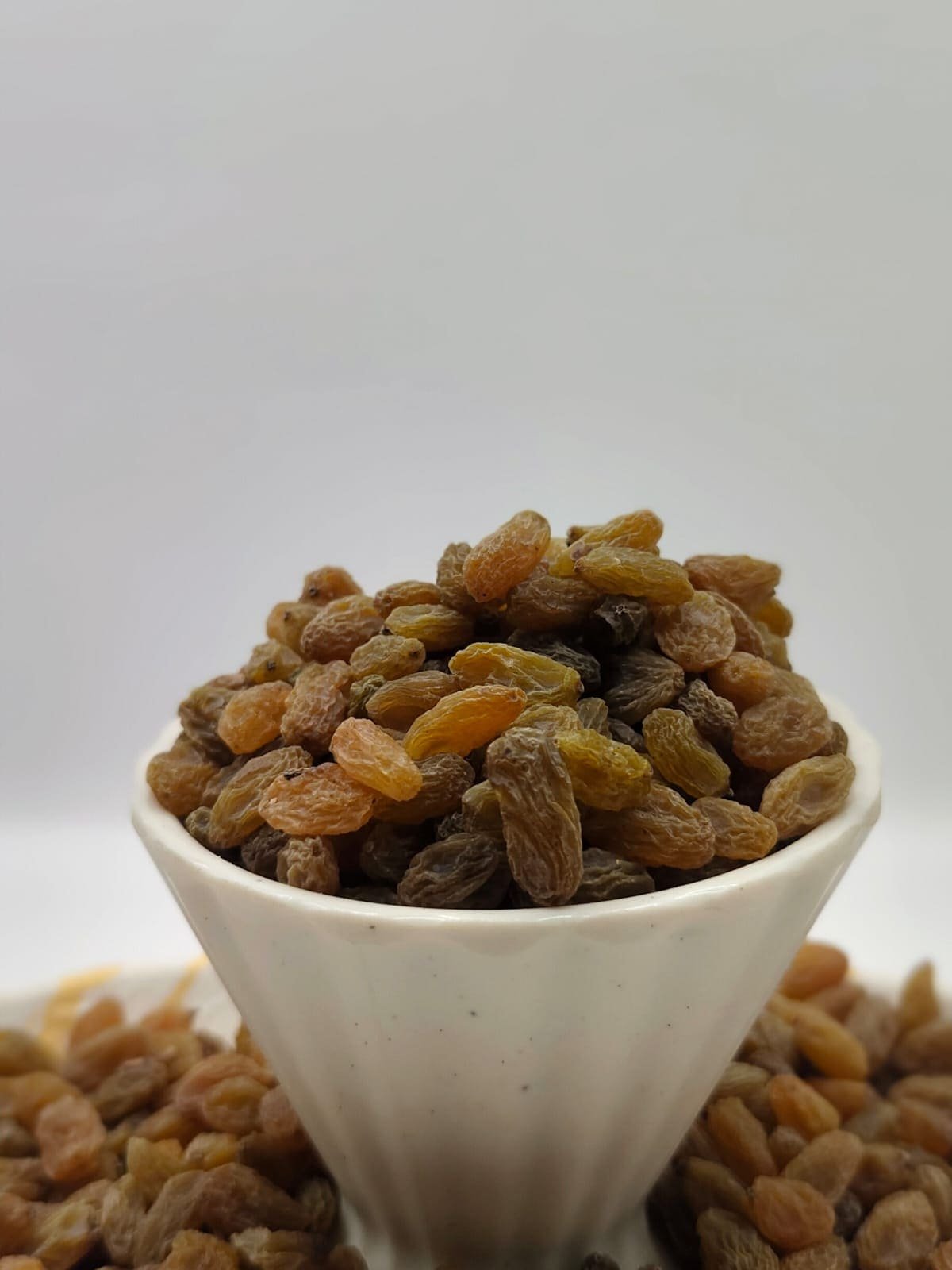
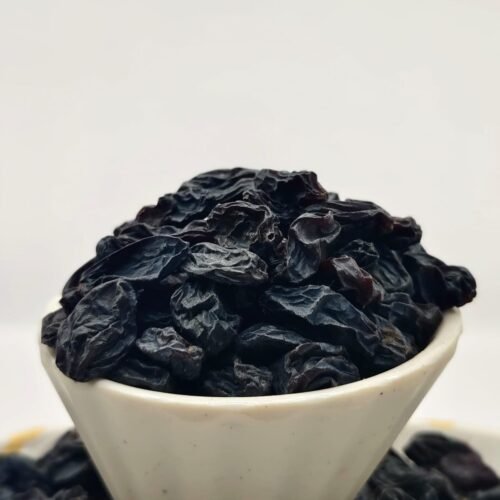
Afghanistan has been drying grapes in mountain sun for longer than most countries have had commercial agriculture, and the raisins that are produced are not comparable to what comes out of a temperature-controlled industrial dryer in three hours. The slow drying concentrates something in the grape that fast processing cannot replicate, regardless of how good the starting material is. Oasis Dry Fruits sources genuine Afghan Kishmish because once you have eaten the real thing, next to whatever was in your kitchen before it, going back feels like a step that would require a reason you do not have.
What You Are Actually Getting
The Sweetness Is Built Differently Here
Most raisins you have eaten were dried fast. Afghan Kishmish is dried slowly, in thin mountain air and direct sun, over days rather than hours. That timeline changes what happens to the grape’s own sugars. They concentrate gradually and develop a depth that fast-dried raisins taste flat beside. When people describe Afghan raisins as having a caramel-like sweetness underneath the fruit sweetness, this is what they are noticing, and this is why they notice it.
Iron That Gets Into Your System Rather Than Passing Through
The iron in premium Afghan raisins sits alongside compounds that support its absorption rather than competing with it. Women managing iron levels through food, vegetarian households where meat iron is absent, and anyone dealing with unexplained fatigue that turns out to be iron-related. The daily raisin habit costs less and requires less discipline than supplementation, and the iron gets absorbed rather than just passing through a digestive system that was not given the right conditions to use it.
Energy That Does Not Drop You Off a Cliff
Glucose and fructose working at different absorption speeds mean the energy from Afghan Kishmish arrives in two phases rather than one. The immediate phase gets you through the first thirty minutes. The fructose phase keeps things running for the hour after that. People who replace mid-morning processed snacks with a small handful of good raisins and notice they are not hungry again until lunch earlier than they expected are noticing this dual-release mechanism working without anyone explaining it to them.
Resveratrol and Flavonoids Doing Cellular Work
Slow sun-drying allows antioxidant compounds to develop and concentrate in ways that industrial fast-drying prevents. Resveratrol in particular survives and concentrates through the slow process. The cellular oxidative damage these compounds address accumulates quietly over years and responds to consistent daily intake over the same kind of timeline. Not something you feel in a week. Something that changes how the next decade goes compared to a version of you that ate biscuits at eleven instead.
Gut Bacteria Get Something Specific From Raisins
Inulin compounds in quality Afghan Kishmish feed beneficial gut bacteria in ways that shift microbiome composition over weeks of consistent eating. People who start soaking and eating raisins daily and notice their digestion becoming more predictable are usually noticing this prebiotic mechanism. The fiber contributes too, but the prebiotic effect is the more interesting part that most raisin conversations skip entirely.
Bones Get Boron, and Nobody Talks About Boron
Boron in superior quality dried fruit supports calcium absorption and bone density maintenance through a mechanism that the calcium supplement industry has no financial incentive to advertise. Afghan Kishmish carries boron alongside calcium and potassium in a combination that makes the daily raisin habit more useful to your skeleton than the sweetness would suggest.
Blood Pressure Gets Managed Through What You Eat Daily
Potassium pushes back against sodium. That is the entire mechanism, and it is not complicated. South Asian diets run high in sodium across most meals without anyone managing it actively. Afghan raisins eaten daily as a snack or added to meals contribute potassium that does this counterbalancing work consistently over months without requiring a decision every time.
Liver Enzymes Get Support They Rarely Get From Snack Food
Polyphenols in premium-grade raisins reduce oxidative stress on liver cells and support the detoxification enzyme activity that the liver runs continuously against everything the modern diet throws at it. Traditional Ayurvedic and Middle Eastern medicine used raisins specifically for liver health. The biochemistry behind that use holds up.
Nutritional Profile
| Nutritional Data | Per 100g | Per 250g Pack | Per 500g Pack |
| Energy | 299 kcal | 747.5 kcal | 1495 kcal |
| Carbohydrates | 79g | 197.5g | 395g |
| Dietary Fibre | 3.7g | 9.25g | 18.5g |
| Natural Sugars | 65g | 162.5g | 325g |
| Protein | 3.1g | 7.75g | 15.5g |
| Total Fat | 0.5g | 1.25g | 2.5g |
| Potassium | 749mg | 1872mg | 3745mg |
| Calcium | 50mg | 125mg | 250mg |
| Iron | 1.9mg | 4.75mg | 9.5mg |
| Magnesium | 32mg | 80mg | 160mg |
Approximate values based on standard Vitis vinifera Afghan sun-dried raisin composition.
The Problem With This Category in India Nobody Wants to Say Out Loud
Oasis dry fruits sources Afghan Kishmish from actual Afghan origin with the amber color, the depth of sweetness, and the texture that slow mountain sun-drying produces, rather than the appearance of those things achieved through processing shortcuts.
- Genuine Afghan origin with the natural amber-golden color that slow sun-drying produces without chemical treatment
- No sulfur dioxide treatment maintains artificial brightness that natural drying never achieves
- No oil coating applied for visual sheen that indicates processing rather than quality
- Plump texture from proper moisture retention rather than the shriveled hardness of poorly stored or over-dried stock
- Natural sweetness depth from grape concentration rather than sugar standardization of a mediocre base
- Nothing added at any stage, ingredient list reads as raisins rather than a processing formulation
- Sealed packaging maintains natural moisture from dispatch through to use rather than continuing to dry in transit
- Short rotation stock, so what arrives was not sitting somewhere warm, losing what made it worth importing
How to Actually Eat These
Overnight Soak, Morning on Empty Stomach
Ten to twelve hours in water the night before. Eat them with the soaking water first thing before anything else. The soaking water carries dissolved polyphenols and iron into a more bioavailable form, and drinking it rather than pouring it away doubles the return from the same preparation. Iron absorption before food competes with it is measurably higher than absorption mid-meal.
Into Chai While It Is Still Brewing
Four or five dropped into the chai during the last two minutes of simmering. The natural sugars from the raisins dissolve into the tea and reduce the amount of refined sugar the drink needs to taste right. Most people who try this stop adding as much sugar to their chai and cannot explain exactly when they stopped noticing the difference.
In Biryani and Pulao, Where They Have Always Belonged
Whole Afghan Kishmish scattered through rice layers adds concentrated sweetness that balances spice in a way that cooks across South Asian and Middle Eastern traditions have understood for centuries. Quality raisins hold their shape through cooking better than inferior alternatives that dissolve into the dish and contribute nothing texturally.
Halwa and Traditional Sweets
Plump in warm ghee for thirty seconds before adding to suji halwa or kheer near the end of cooking. The texture holds through gentle heat, and the sweetness and depth of genuine Afghan Kishmish contribute to the finished dish in a way that standard raisins technically replicate but practically do not.
Mid-Morning Handful Without a Recipe
Twenty to twenty-five grams. Takes ten seconds. The dual-release energy mechanism works whether anyone understands it or not.
In Baking, Where the Flavor Difference Registers
Folded into cookies, bread, or granola, where the caramel-depth sweetness of genuine Afghan Kishmish changes the flavor of the finished product in ways that standard raisins simply do not produce, regardless of how many you add.
FAQs
How do I identify genuine Afghan Kishmish from domestic raisins sold under the same name?
Amber-golden natural color with variation rather than uniform neon yellow, a caramel depth to the sweetness that Indian raisins do not carry, and a texture that holds rather than dissolving immediately between the fingers.
Why are quality Afghan raisins amber rather than bright golden?
Natural sun-drying causes browning that sulfur dioxide treatment prevents. Amber means nothing was added to maintain artificial color. Bright uniform yellow almost always means chemical treatment was applied.
How many should I eat daily?
Twenty to thirty grams soaked, roughly a small handful, delivers meaningful iron, potassium, and antioxidant intake without the sugar content becoming something worth worrying about.
Is soaking raisins before eating actually better than eating them dry?
Yes, for iron absorption specifically. Soaking makes the iron more bioavailable, and the soaking water carries polyphenols worth consuming rather than discarding.
What makes Afghan Kishmish worth paying more for than domestic raisins?
The slow sun-drying at altitude concentrates flavor and antioxidant compounds in ways that commercial fast-drying cannot replicate, regardless of how good the starting grape is.
How should Afghan raisins be stored after opening?
Airtight container away from heat and moisture. Two to three months at room temperature, up to six months refrigerated without meaningful texture or flavor change.













Leave a Reply