


Description
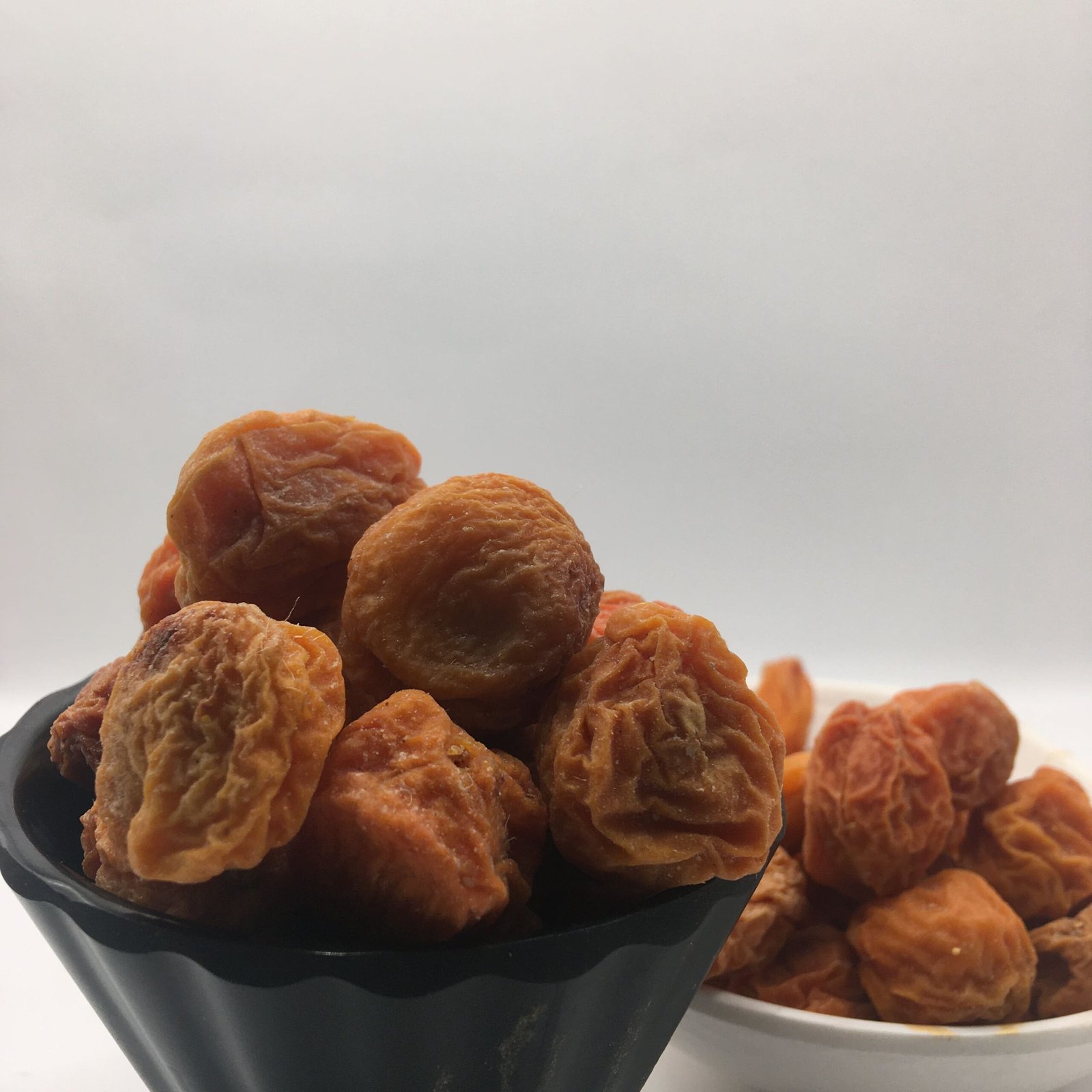
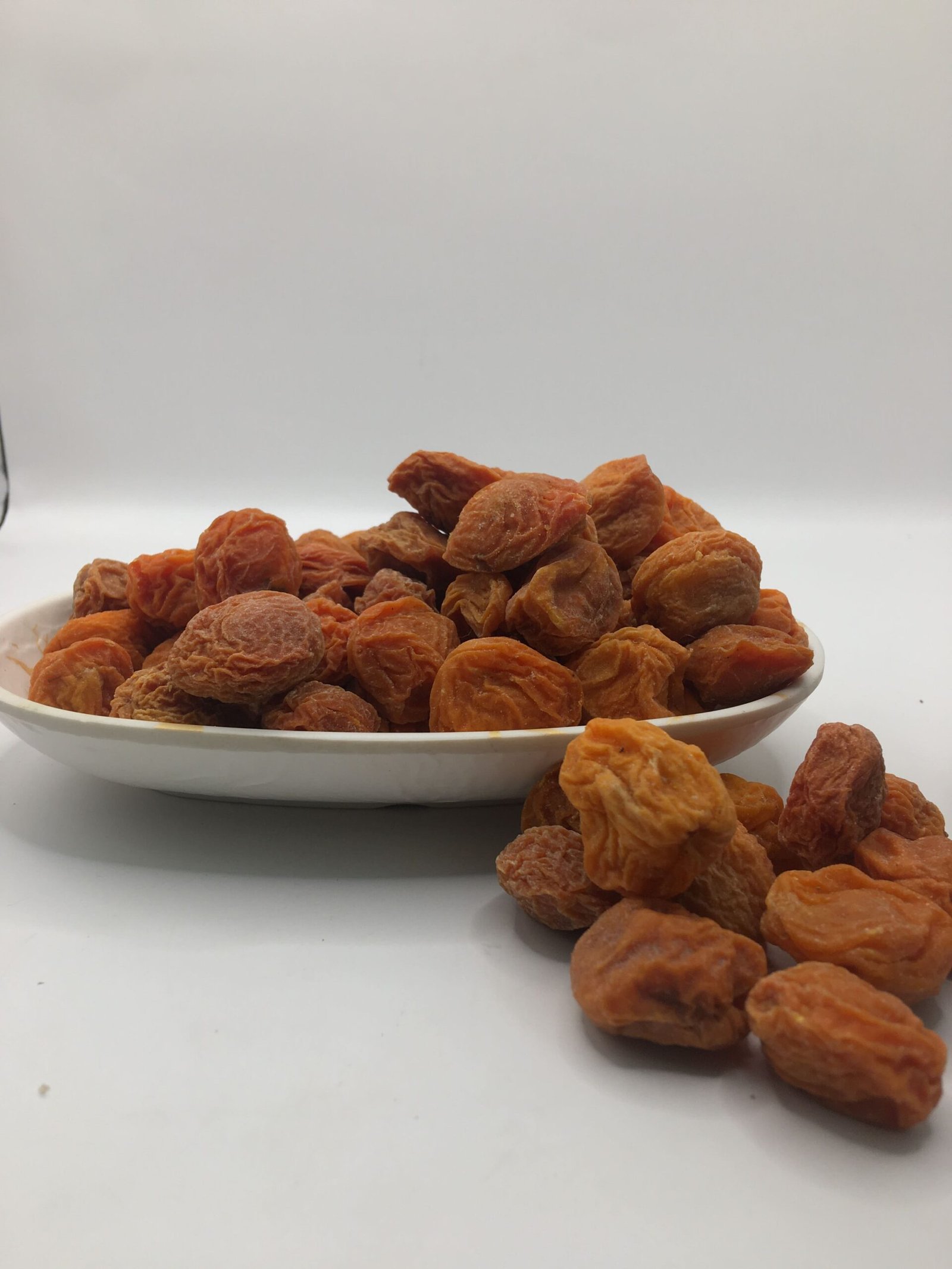
Ladakh gets about ninety frost-free days a year. That is the entire window the apricot tree has to do everything, flower, fruit, and ripen, before the cold comes back and shuts everything down again. What that pressure produces is a fruit that tastes as it means it. Smaller than the pale Turkish alternatives filling most dry fruit shops, darker, more intense, with a tartness sitting underneath the sweetness that you only get when a fruit has to work for it. The people who grew up eating genuine Himalayan Khubani and then moved to cities where Turkish commercial apricot became the default know exactly what went missing. Oasis Dry Fruits sources Ladakh red apricots because that gap is real, and closing it matters.
What Goes On When You Eat These
Beta-Carotene and What It Actually Does Here
The deep red-orange in a genuine Ladakh apricot is not cosmetic. That color is beta-carotene, and the concentration of it in a red Himalayan variety is meaningfully higher than in the pale commercial alternatives that most buyers have eaten their entire lives without knowing they were settling. Beta-carotene converts to vitamin A in the body. Vitamin A handles eye health, immune cell production, and skin cell turnover simultaneously. The fruit is doing three things at once, and the color is telling you how much of it is actually happening.
Iron That Traditional Medicine Prescribed for a Reason
Across Ladakhi and Kashmiri mountain communities, dried Khubani was given specifically to pregnant women, recovering patients, and anyone dealing with fatigue that turned out to be iron-related. That prescription was not random. The iron content in red apricot varieties is high enough to contribute meaningfully to daily intake when eaten consistently, and the vitamin C present in the same fruit improves how much of that iron the body actually absorbs rather than passes through. Both things are happening in one fruit without any deliberate pairing required.
The Tartness Is Not a Flaw
This is worth saying directly because most people who try Ladakh apricots for the first time against a background of having only eaten commercial Turkish ones find the tartness unexpected. That tartness is the fruit’s acid profile, malic acid specifically, and it is doing actual digestive work alongside making the flavor more interesting than mild commercial sweetness. It also tells you the fruit was not treated with sulfur dioxide to standardize its taste profile. Bright, uniformly sweet apricots with no tartness have usually had something done to them.
Fiber Working on Two Fronts
Soluble fiber feeds beneficial gut bacteria, and insoluble fiber keeps bowel function regular. Both are present in natural Khubani and both work through consistent daily eating rather than through any single significant dose. Three apricots a day for two weeks produces changes in digestive regularity that people notice without anyone explaining the mechanism to them. That is what actually consistent fiber intake looks like as opposed to the occasional large dose that produces urgency rather than regularity.
Potassium at Levels Worth Paying Attention To
Over 1100mg of potassium per 100g. That number matters more in the context of how South Asian diets actually run, which is sodium-heavy across most meals every day without anyone actively managing the imbalance. Potassium pushes back against that sodium load and supports blood pressure through a mechanism that requires no understanding to benefit from. You just eat the apricots, and the exchange happens.
What the Antioxidants Are Specifically Doing
Lycopene and beta-carotene together address cellular oxidative damage through slightly different mechanisms, which means they are more useful combined than either would be alone. The red color in Ladakh variety apricots comes from both and distinguishes them compositionally from pale varieties, where neither is present in meaningful concentration. This is the actual nutritional argument for choosing red over pale apricots, and it has nothing to do with aesthetics.
Bone Health Gets the Mineral Combination It Needs
Calcium and phosphorus, together with boron, support how efficiently both reach bone tissue. Most bone health conversations stop at calcium and miss the cofactors that determine what calcium actually does once it is in the body. Ladakh apricots carry the combination rather than just one element of it, which makes daily eating more structurally useful than the sweetness suggests anything this enjoyable ought to be.
Skin From the Inside Over Months
Vitamin A supports skin cell renewal. Vitamin C supports collagen. Both are the same fruit every day. The results show up over months as a slower age-related change rather than as anything dramatic over two weeks. It is the kind of benefit that the person who started eating them consistently will notice, and the person who ate them for ten days and stopped will not. The timeline is frustrating and the mechanism is fundamental, and that combination describes most nutritional habits that actually matter.
Nutritional Profile
| Nutritional Data | Per 100g | Per 250g Pack | Per 500g Pack |
| Energy | 241 kcal | 602.5 kcal | 1205 kcal |
| Carbohydrates | 63g | 157.5g | 315g |
| Dietary Fibre | 7.3g | 18.25g | 36.5g |
| Natural Sugars | 53g | 132.5g | 265g |
| Protein | 3.4g | 8.5g | 17g |
| Total Fat | 0.5g | 1.25g | 2.5g |
| Potassium | 1162mg | 2905mg | 5810mg |
| Calcium | 55mg | 137.5mg | 275mg |
| Iron | 2.7mg | 6.75mg | 13.5mg |
| Vitamin A | 180mcg | 450mcg | 900mcg |
Approximate values based on the standard Prunus armeniaca Ladakh red variety dried apricot composition.
What Is Actually Happening in This Market
Most of the apricots sold in India under premium labeling came from Turkey. That is not a scandal. Turkish apricots are genuinely good, and the country has been exporting them at scale and at quality for decades. The problem is not Turkish apricots being sold as Turkish apricots. The problem is Turkish apricots being sold as Ladakhi apricots, or Indian apricots, or Himalayan apricots, because those labels command a price premium that the import cost of the actual fruit does not support. Oasis Dry Fruits sources from Ladakh orchards with the harvest seasonality, the natural dark color, and the flavor intensity that the Himalayan origin actually produces, rather than the appearance of those things produced through chemical treatment and relabeling.
- Genuine Ladakh valley orchard sourcing with natural dark russet color from traditional drying
- No sulfur dioxide treatment, which means no artificial brightness and no chemical preservative
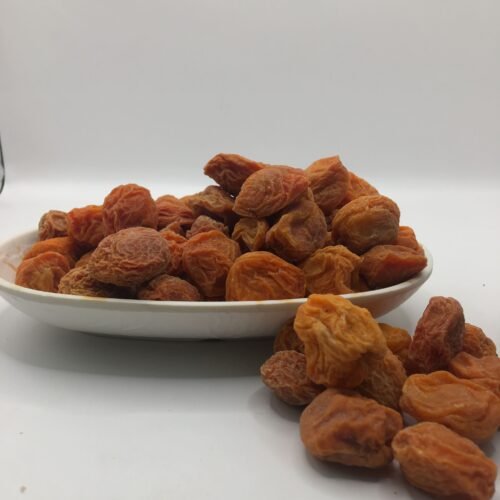
- Smaller natural fruit size reflecting the actual Himalayan variety rather than the commercially bred large alternatives
- Tart-sweet flavor profile from altitude stress during ripening that commercial flatland farming never produces
- Zero added sugar, zero artificial color, nothing added that the fruit did not arrive with
- Sealed packaging that protects beta-carotene and iron content from light and air exposure
- Seasonal availability that is honest about harvest cycles rather than pretending year-round supply exists
- Pricing that reflects what genuine Ladakh sourcing actually costs, rather than what imported, relabeled product costs with a Himalayan story added
How to Eat These
Soaked Overnight, First Thing in the Morning
Three or four in water before bed. Eat them with the soaking water on an empty stomach before anything else. Iron absorption is measurably higher before food competes with it, and the soaking water carries dissolved potassium and polyphenols worth consuming rather than tipping down the sink.
In Warm Milk Before Sleeping
Three apricots simmered in warm milk for two minutes. A preparation that Ladakhi and Kashmiri mountain communities have maintained across generations for warmth, energy, and sleep quality. Worth trying before deciding, it sounds too simple to do anything.
Straight as a Snack When the Flavor Can Speak for Itself
Four or five mid-afternoon. The tart-sweet combination is interesting enough that this does not feel like a health decision while you are eating it, which is the best possible relationship to have with something that is actually doing nutritional work.
In Khubani Ka Meetha
The Hyderabadi apricot dessert made properly with genuine Ladakh red variety tastes different from the same recipe made with commercial Turkish apricots. The restaurants whose version of this dish people travel for are using the right fruit. That is most of the explanation.
Chopped Into Oatmeal or Upma
Roughly chopped and added to grain preparations before cooking. The tart sweetness sits in a different flavor territory from dates or raisins and distributes through the dish in a way that makes breakfast taste like a decision was made rather than a default accepted.
In Slow-Cooked Lamb or Mutton
Ladakh red apricots in slow-cooked meat appear across Ladakhi, Kashmiri, Persian, and Moroccan cooking without any of those traditions having borrowed it from each other. They all arrived at the same conclusion independently. The tartness cuts through the richness of slow-cooked fat in a way that spices alone cannot manage.
FAQs
What actually makes Ladakh apricots taste different from Turkish ones?
Ninety days of growing season under intense mountain sun with glacier water in the soil produces a fruit under stress that commercial flatland farming never replicates. Stress concentrates flavor. That is the complete explanation.
Why are genuine Ladakh apricots dark rather than orange?
Natural drying without sulfur dioxide produces brown. The bright orange apricots in every supermarket display are chemically treated to maintain that color regardless of what the origin label says.
How many should I eat daily?
Three to five soaked overnight. That quantity delivers meaningful iron, vitamin A, fiber, and potassium without the sugar content becoming something worth managing for most healthy adults.
Does the iron in apricots actually help with anemia?
The iron combined with vitamin C in the same fruit improves absorption enough to make daily eating a genuine contribution to iron levels, particularly meaningful for women and households where meat iron is absent from the diet.
How do I know if what arrives is genuinely Ladakh origin or a relabeled import?
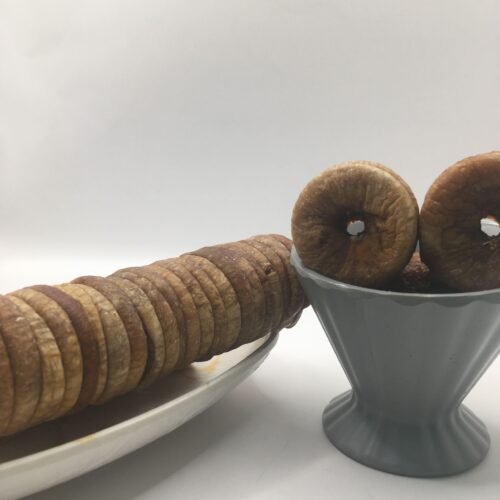
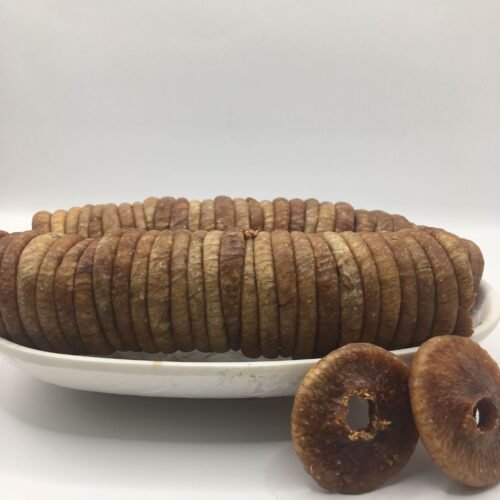
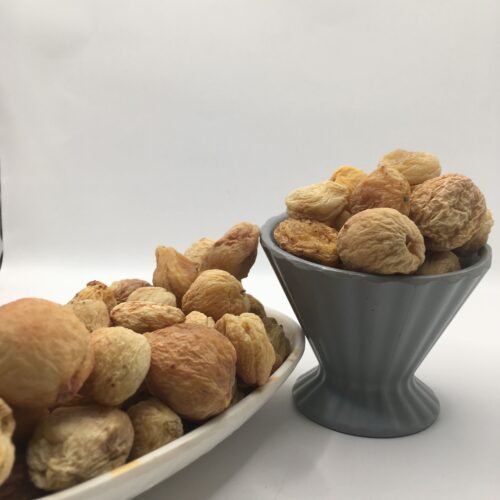
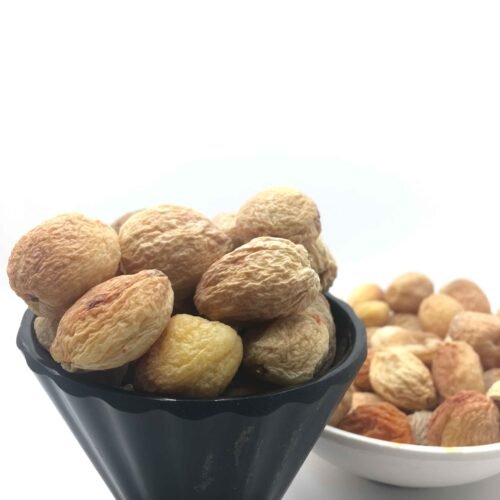
Color, size, and flavor together. Genuine Ladakh red apricots are small, dark russet-brown, and have noticeable tartness underneath the sweetness. Large, bright orange, uniformly sweet apricots are almost certainly treated as commercial imports regardless of what the label says.
















Leave a Reply