

Description
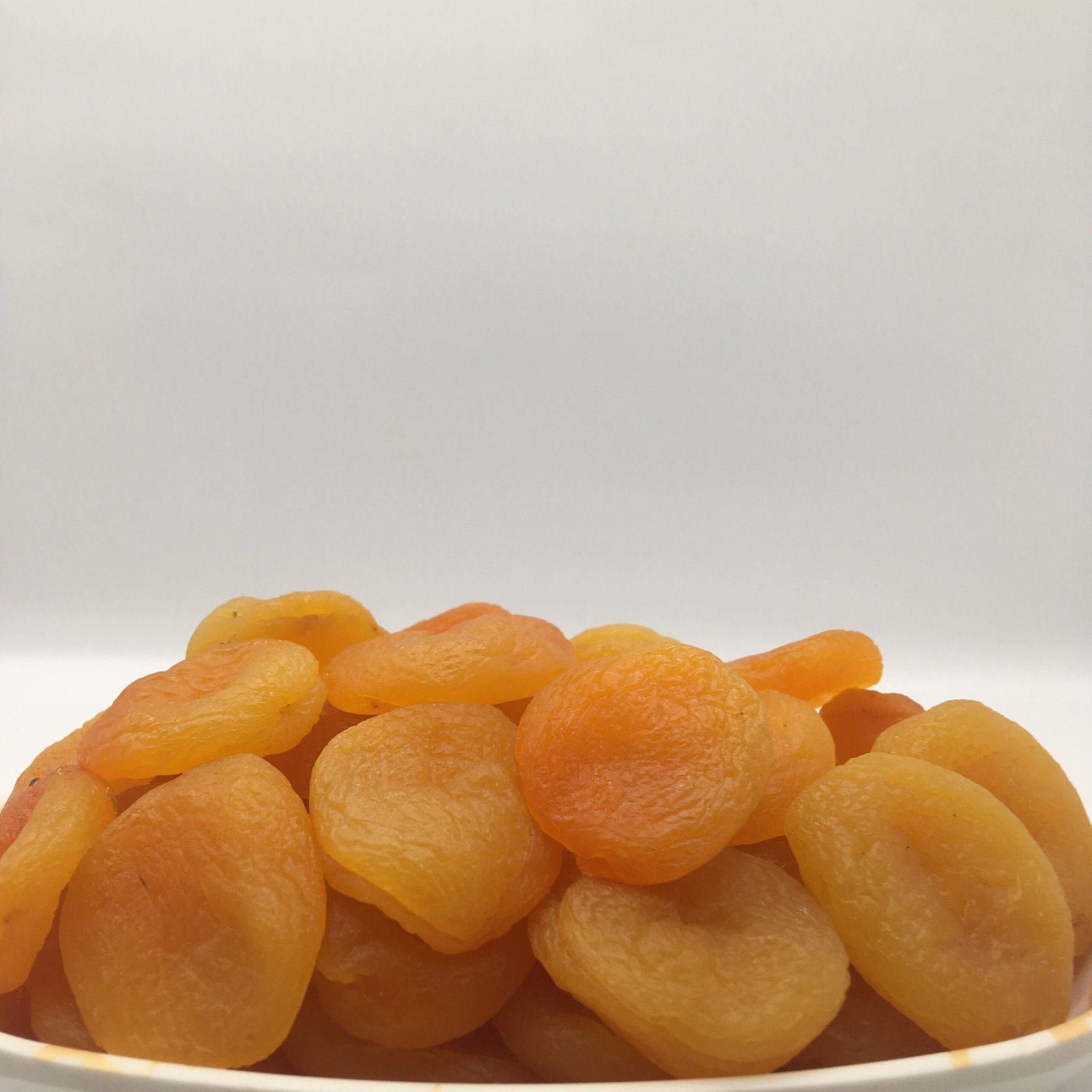
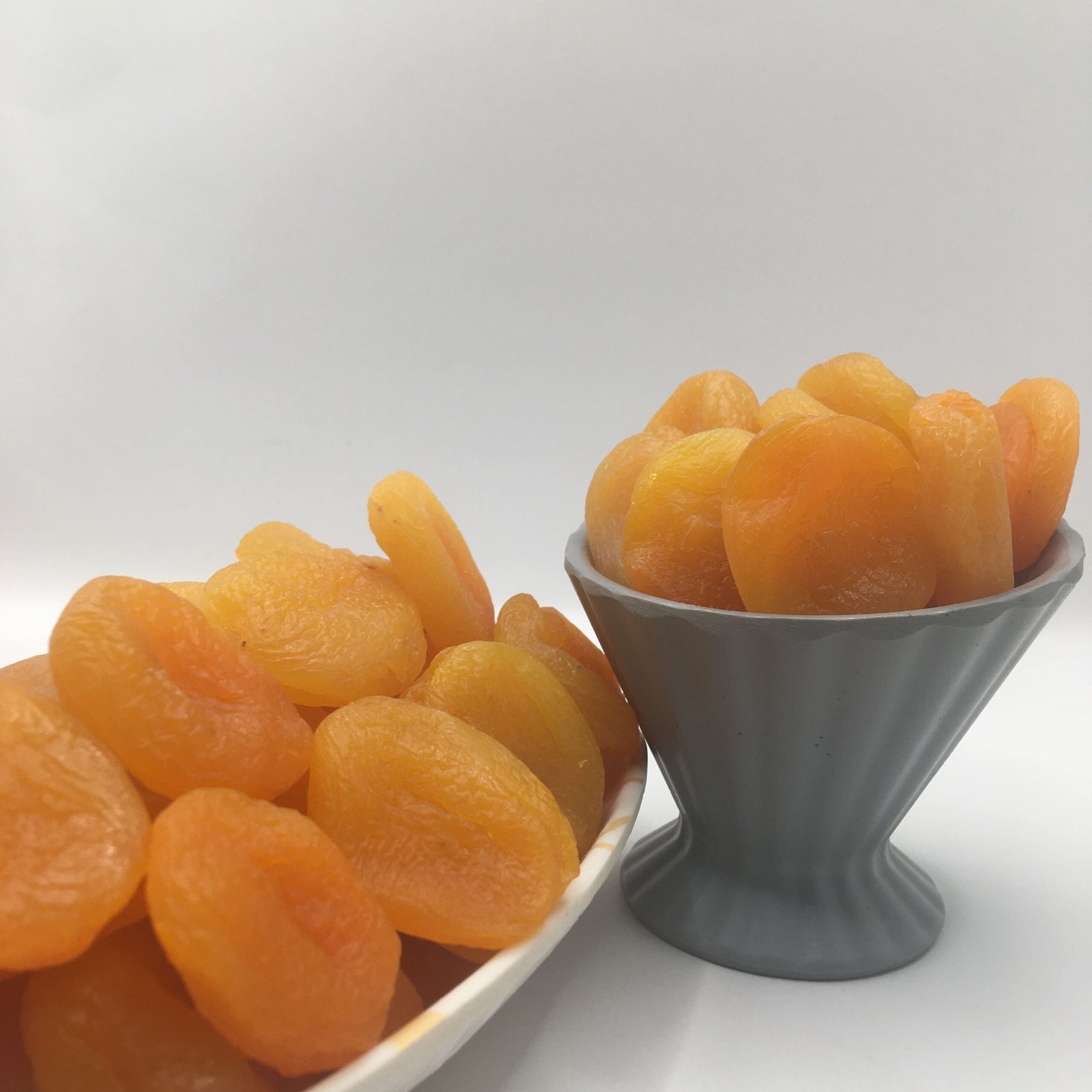
Turkey has been drying apricots in the Malatya valley for long enough that the rest of the world simply accepted Turkish as the benchmark and stopped arguing about it. The combination of volcanic soil, dry summer heat, and a drying tradition refined across centuries produces a fruit that is consistently soft, golden, and sweet in a way that makes it the default imported khubani in serious kitchens and serious dry fruit shops across India for reasons nobody needs to explain once you have eaten one. Oasis Dry Fruits sources premium Turkish apricots because Mediterranean fruit done properly is one of the more straightforward pleasures available in the dried fruit category.
What Eating These Consistently Does
Beta-Carotene Converting to Vitamin A Every Single Day
The golden color in quality Turkish dried fruit is beta-carotene present in meaningful amounts, converting to vitamin A that supports eye health, immune cell production, and skin cell renewal simultaneously. Natural apricot taste from a genuine Turkish variety carries this at concentrations that make daily eating genuinely useful rather than tokenistic.
Iron That Adds Up When the Habit Is Consistent
Premium imported fruit like Turkish apricots carries iron alongside vitamin C in the same fruit, addressing the absorption problem that makes plant iron frustrating to rely on without deliberate pairing with something acidic. Both nutrients present together, without any planning required, make this a practical daily iron contributor.
Fiber Working on Digestion Without Making a Drama of It
The soluble and insoluble fiber combination in imported khubani online supports bowel regularity and feeds beneficial gut bacteria through consistent daily eating rather than producing the urgent effect that higher-fiber interventions sometimes cause. Three apricots daily is enough to notice the difference within two weeks.
Potassium Counterbalancing: What South Asian Meals Carry
Over 1160mg of potassium per 100g sits against the sodium load that runs high across most South Asian cooking daily. Blood pressure responds to this kind of consistent passive correction over months in ways that occasional large doses never replicate, and it happens through a snack rather than a separate health decision.
Antioxidant Protection Through Lycopene and Flavonoids
The polyphenols and lycopene in quality khubani reduce cellular oxidative damage from daily environmental and dietary stress in concentrations that hold up through proper drying without heat degradation, compromising what the fruit contained when it left the tree.
Bone Minerals That Work as a System Rather Than Individually
Calcium and phosphorus, alongside boron, support how efficiently both reach bone tissue. The combination of natural apricot taste varieties from Turkish origin makes daily eating more structurally useful for bone health than the sweetness suggests. Anything this enjoyable should be managed.
Heart Health Through Soluble Fiber and Potassium Together
Soluble fiber binds dietary cholesterol before it enters circulation, while potassium moderates blood pressure elevation from sodium intake. Two separate cardiovascular mechanisms through one daily portion of premium apricots at a price that makes more sense than most dedicated heart health supplements sitting in a pharmacy.
Skin Renewal From the Inside Over Months
Vitamin A, supporting cell turnover, and vitamin C, supporting collagen synthesis, arrive in the same fruit every day. Both work at a level that topical products are attempting to reach from the outside, and both require months rather than days to produce results that show up as slower visible aging rather than an overnight transformation.
Nutritional Profile
| Nutritional Data | Per 100g | Per 250g Pack | Per 500g Pack |
| Energy | 241 kcal | 602.5 kcal | 1205 kcal |
| Carbohydrates | 63g | 157.5g | 315g |
| Dietary Fibre | 7.3g | 18.25g | 36.5g |
| Natural Sugars | 53g | 132.5g | 265g |
| Protein | 3.4g | 8.5g | 17g |
| Total Fat | 0.5g | 1.25g | 2.5g |
| Potassium | 1162mg | 2905mg | 5810mg |
| Calcium | 55mg | 137.5mg | 275mg |
| Iron | 2.7mg | 6.75mg | 13.5mg |
| Vitamin A | 180mcg | 450mcg | 900mcg |
Approximate values based on standard Prunus armeniaca Turkish Malatya valley dried apricot composition.
What Is Actually Going On in the Turkish Apricot Market in India
Turkish apricots have a reputation significant enough that the label gets applied to products that came nowhere near Turkey, and the Indian import market has been doing this long enough that the buyers who know apricots well have developed a healthy skepticism about origin claims that most sellers find inconvenient. Oasis dry fruits sources Turkish apricots with the origin specificity, drying quality, and moisture retention that make the import premium worth paying rather than just worth charging.
- Malatya valley sourcing, where volcanic soil and traditional drying produce the flavor benchmark, Turkish apricots are actually known for
- Proper moisture retention produces the soft, yielding texture rather than the hard, dry result of over-processed or old stock
- Golden color reflecting genuine apricot quality rather than just sulfur dioxide treatment, maintaining appearance through poor storage
- Plump whole fruit with visible flesh density rather than shriveled flat pieces that have lost moisture content in transit or the warehouse
- Zero artificial flavor enhancement, zero added sugar, nothing applied that was not part of the original fruit
- Sealed packaging maintains the moisture balance that makes Turkish dried fruit worth the import price
- Short stock rotation keeps apricot health benefits India buyers receive intact for Indian buyers, rather than being degraded through extended warehouse time
- Premium apricots price reflecting genuine Malatya origin sourcing rather than commodity Turkish apricot at premium label pricing
How to Use These
Three or Four Soaked Overnight, Morning Before Anything Else
Water, apricots, overnight. Eat them with the soaking water first thing on an empty stomach. Iron absorption is highest before food competes with it, and the soaking water carries dissolved polyphenols worth drinking rather than discarding down the sink.
Straight as a Snack When the Flavor Speaks for Itself
Four or five mid-afternoon. The soft texture and honey-like sweetness of genuine Malatya Turkish apricots make this genuinely satisfying rather than merely acceptable as a health decision. The experience does not require anyone to frame it as nutritious for it to be eaten.
In Warm Milk Before Sleeping
Three apricots simmered briefly in warm milk. A preparation that South Asian and Middle Eastern households arrived at independently across generations for the same reasons: warmth, sweetness, and a sleep quality benefit from the magnesium and natural sugars working together at the end of a day.
In Slow-Cooked Meat Preparations
Turkish dried apricots in lamb, mutton, or chicken appear across Persian, Turkish, and North Indian cooking traditions because the tartness and sweetness balance the richness of slow-cooked fat in a way that spices alone cannot achieve. Quality khubani holds its shape through long cooking times rather than dissolving away before the dish is finished.
Chopped Into Grain Preparations and Breakfast
Roughly chopped into overnight oats, upma, or khichdi, where the sweet-tart note of imported apricots adds contrast that neither dates nor raisins produce because the flavor profile sits in genuinely different territory from any other dried fruit in the category.
In Chutneys and Savory Accompaniments
Turkish apricots cooked down with ginger, chili, and vinegar into a chutney that works alongside grilled meats, cheese boards, and Indian flatbreads. The pectin in the fruit thickens the chutney naturally, and the depth of sweetness of the genuine Malatya variety produces a result that commercial apricot alternatives cannot match.
FAQs
What makes Turkish Malatya apricots different from other imported apricots?
Volcanic soil, a specific drying tradition, and growing conditions in the Malatya valley produce a sweetness, depth, and flesh texture that Turkish apricots from other growing regions approach but do not match.
Why do some Turkish apricots look bright golden while others look amber-brown?
Bright golden is sulfur dioxide treatment, preventing natural browning during drying. Amber-brown is what the fruit looks like when nothing is added to maintain an artificial color standard.
How many should I eat daily?
Three to five soaked overnight delivers meaningful iron, beta-carotene, fiber, and potassium without the natural sugar content becoming a concern worth managing for most healthy adults.
Is sulfur dioxide-treated apricot safe to eat?
Yes, the treatment is standard commercial practice and safe at the levels used in food production. The choice between treated and unsulfured is about preference and processing transparency rather than safety.
How do I know if the Turkish apricots I receive are genuinely Malatya quality?
Flesh density, aroma, and sweetness depth together. Genuine Malatya apricots have a honey-like sweetness with a slight tartness underneath and a flesh that yields softly rather than being uniformly sweet and slightly rubbery.













Leave a Reply